



 |
|
|
|
|
|
|
Wimbledon
Speedway
|
| |
|
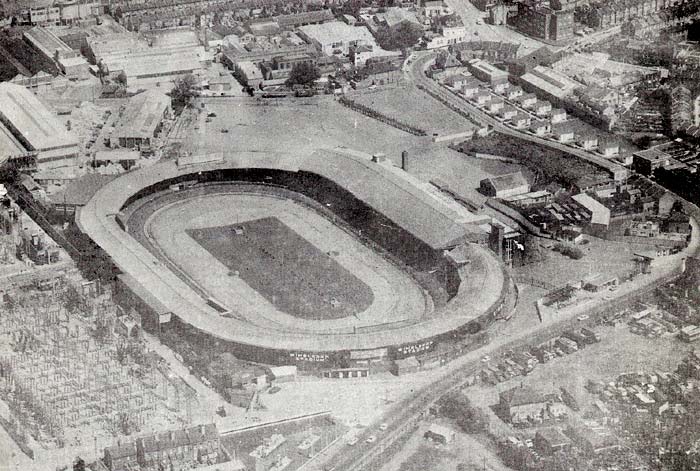
Wimbledon Stadium, Plough Lane, London. Plough
Lane ran
off and on between 1928-2005 at its peak it had few rivals in the speedway
world.
|
| |
| |
|
Wimbledon's
First Team First
Ever Test Match Eng v Aus 1930
Billy Lamont
Plough Lane a Great Stadium
Wimbledon's Golden Era
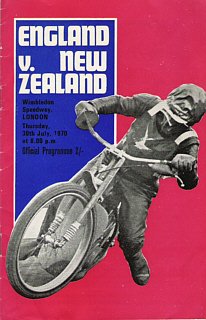
England v Soviet Union 1974
Last Season 2005
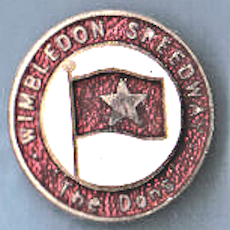
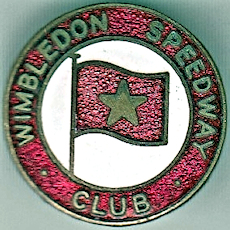
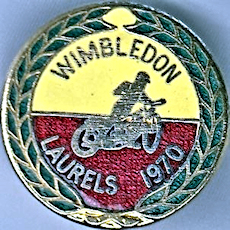
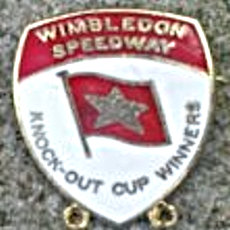
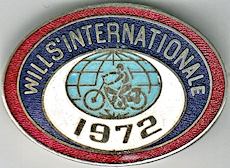
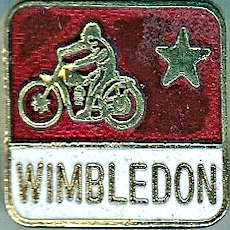
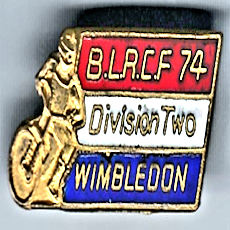
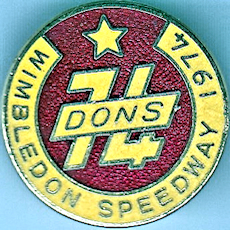
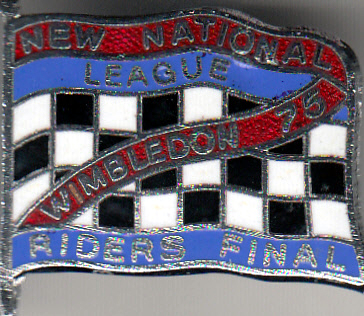
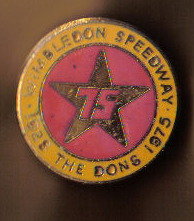
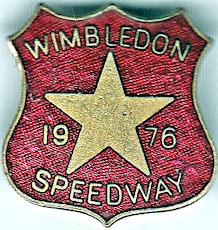
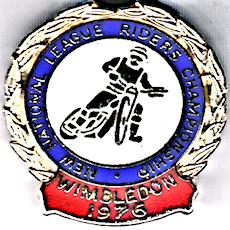
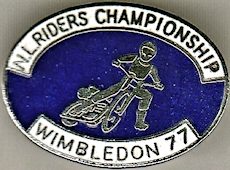
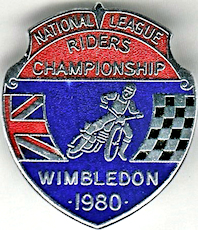
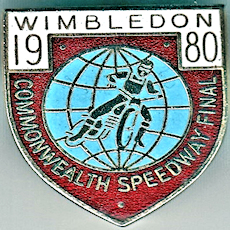
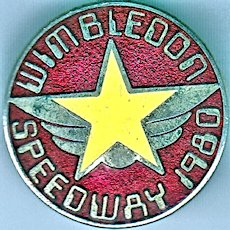
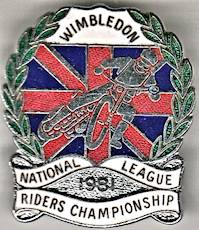
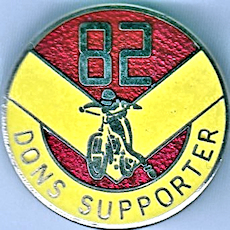
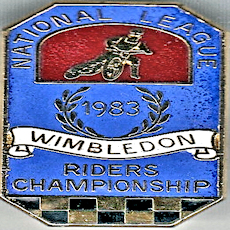
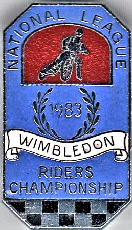
Wimbledon Badges |
| |
| |
Wimbledon's Great Speedway Stadium
"Plough
Lane" |
| |
 |
| |
|
| |
| |
| Plough Lane
1928 |
| |
 |
|
Courtesy of Adrian Pavey
|
| |
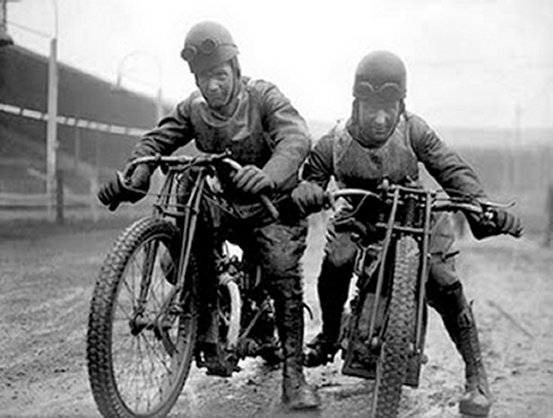
| John says: This is, I believe, Wimbledon 1928. I am
guessing that the rider on the right is Frank Varey on a Scott or
Douglas machine? The bike on the left could be a Harley
Peashooter. Tell me what you think
John |
|
Graham Brodie says: The picture under the 1928
heading is a Getty Images photograph. It is titled ' J.S.Sykes and W.Pinner dirt
track racing at Wimbledon.
|
| Alan Goodman says: could these two riders be Eric Langton and Frank Varey? |
|
John says: What an excellent photo! the bikes may reveal the
answer on the left is what looks like a Harley and the right hand bike is so much
lower, either a Douglas or possibly a Scot in which case Frank Varey is very
likely |
|
|
| |
|
| |
| |
Wimbledon's
First Team? |
| |
 |
| |
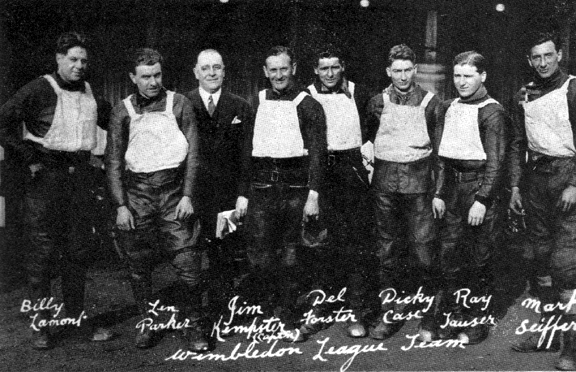
| John says: Can anyone put a year to this line up,
Wimbledon League Team: Billy Lamont, Len Parker, Jim Kempster, Dick Forster?
Dicky Case, Ray Tauser, cannot make out the guy's name at far right help please
John |
|
Bryan Tungate has been in touch he says: Hi John, you do pick them out!
I think this one goes back to the 1930 season. Del (not
Dick) Forster is the chap in the middle and he rode for Cardiff in 1929. I
think the guy in the suit could be Mr Cearns. The rider on the right is Mart
Seiffert. He was there about 1929/30 time. Jim Kempster (Smiling Jim) was
the England captain in the first 1930 test match v Australia when they
started. in 1931 they had Vic Huxley and he is not on this photo so it is
before then. Hope this is some good to you
|
John says: Thanks Bryan, I follow your reasoning, the
photo appears to be 1930
Norman Jacobs says: The year is definitely 1930 |
|
Susan Stewart says: Could the name of the man on the far right be
Mark or Martin Seiffert
|
|
|
|
|
|
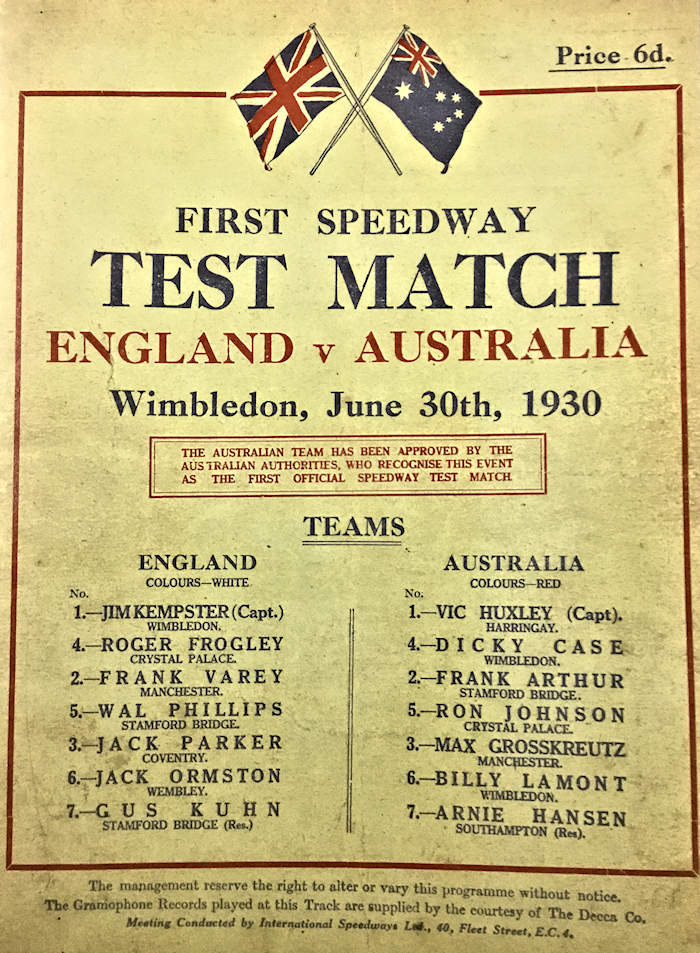
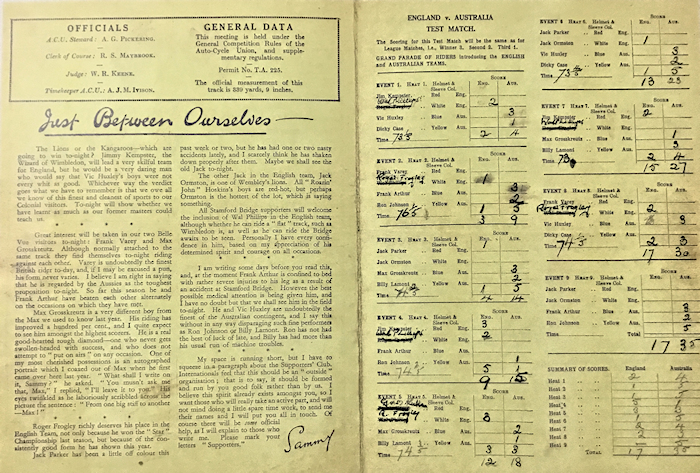
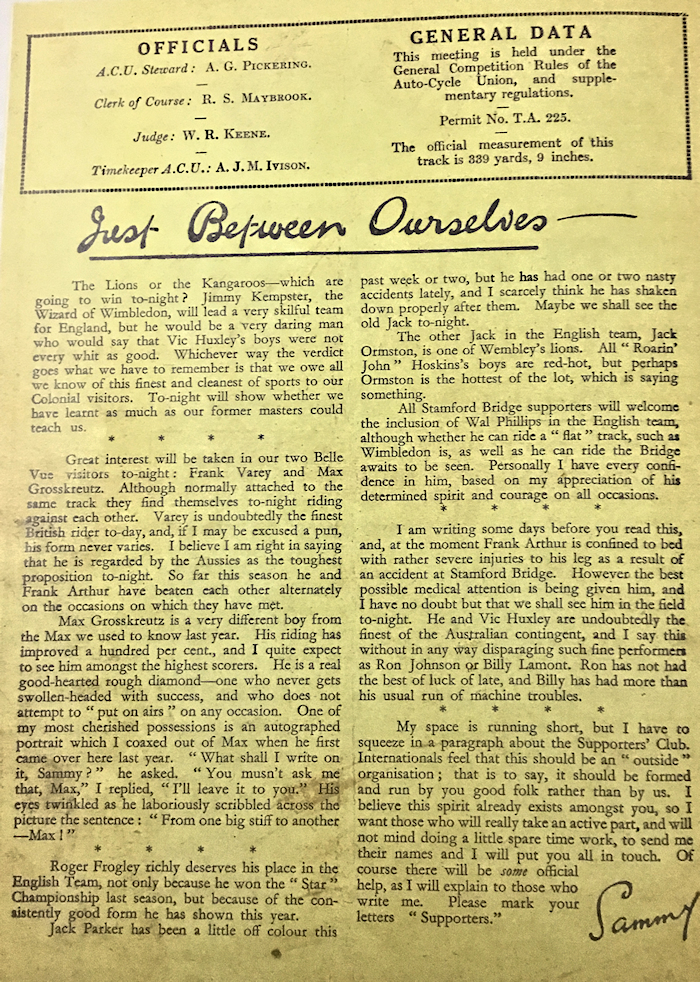
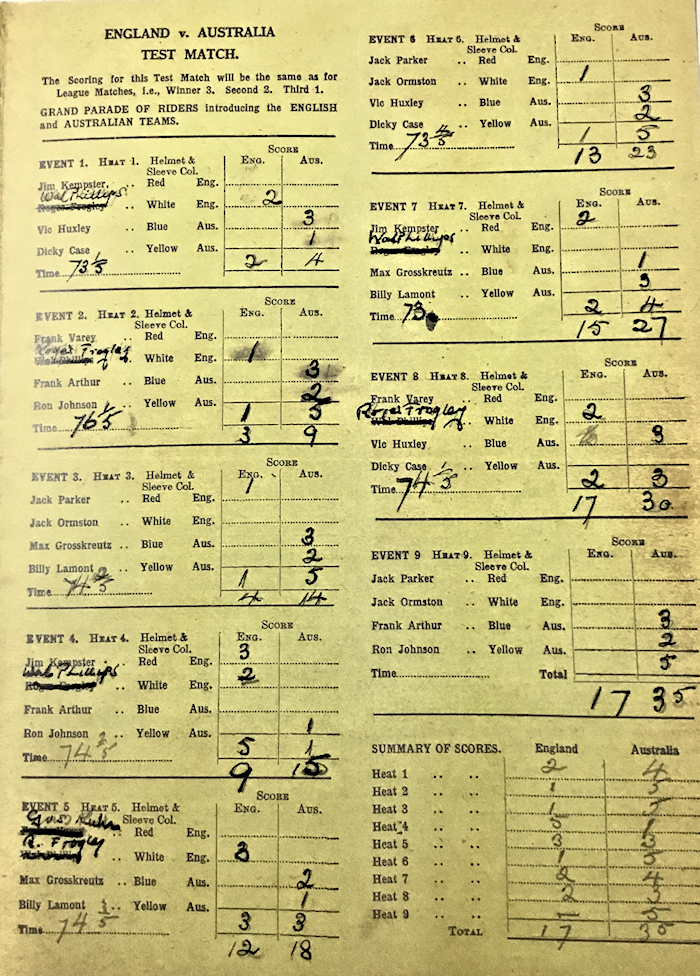
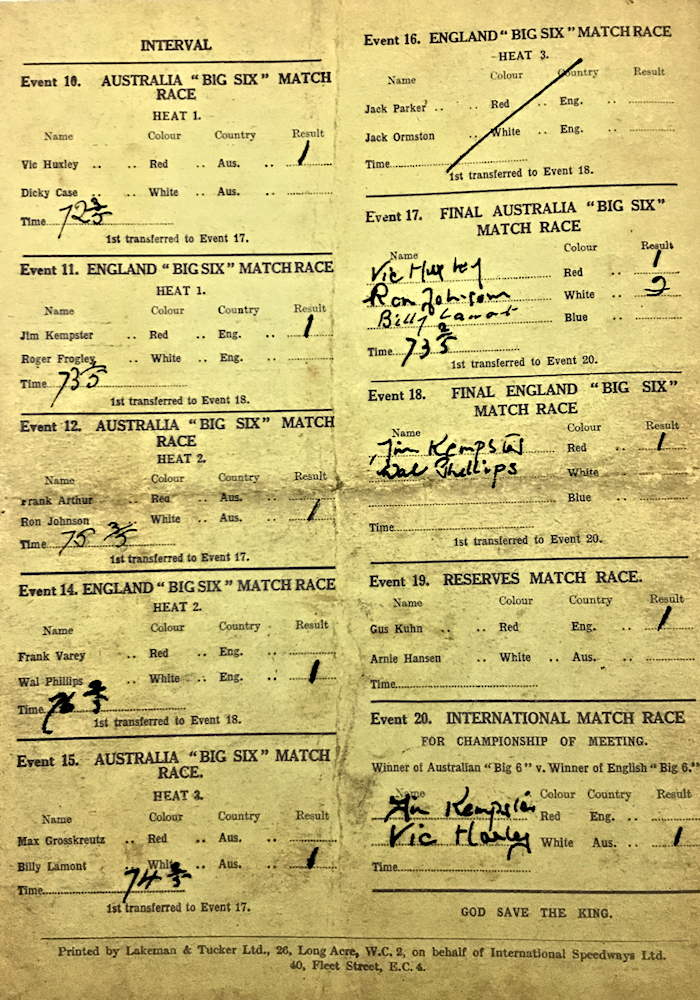
England
v Australia |
|
|
|
First ever Test Match |
|
30th June 1930 |
|
|
 |
|
Courtesy of Ralph Freeman and Christine Titmarsh |
|
|
 |
|
Courtesy of Ralph Freeman and Christine Titmarsh |
|
|
 |
|
Courtesy of Ralph Freeman and Christine Titmarsh |
|
|
 |
|
Courtesy of Ralph Freeman and Christine Titmarsh |
|
|
 |
|
Courtesy of Ralph Freeman and Christine Titmarsh |
|
|
|
|
|
|
|
|
|
|
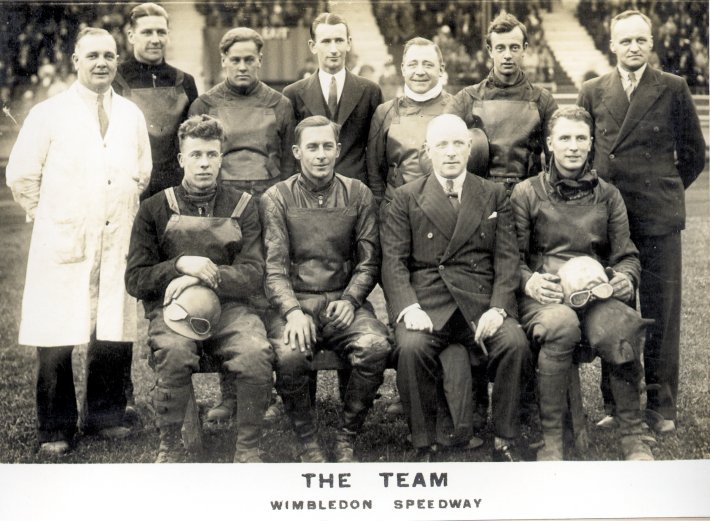
Another Early Wimbledon Team |
|
|
 |
| Courtesy of Jim Henry |
| |
|
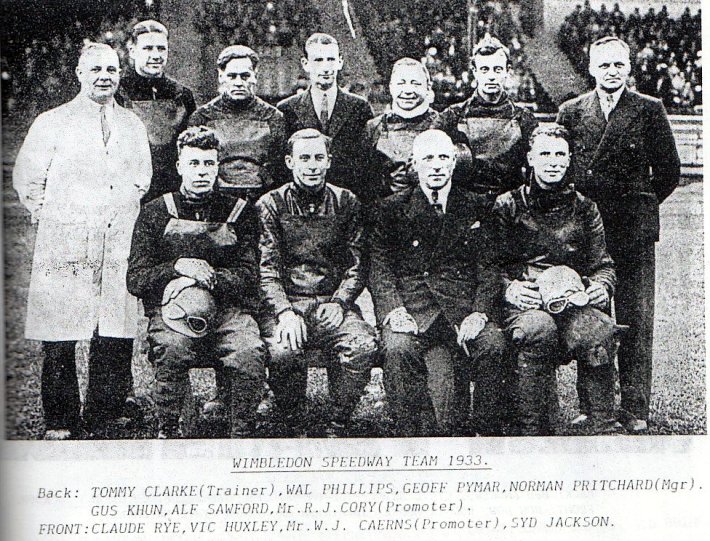
Can you name any of these guys?
I am looking for the year and names of this early
Wimbledon line up
John |
|
Steve Baker says: Hi John, the Wimbledon team pic is
from 1932 and the line up is as follows;
back row l to r, Nobby Clarke (trainer), Wal Phillips,
Geoff Pymar, N.H.Pritchard (general manager), Gus
Kuhn, Alf Sawford, Pop Cory(team manager)
front row l to r, Claude Rye, Vic Huxley, W.J.
Kearns(managing director) and Syd Jackson.
|
|
Colin Greenwell says: Wimbledon photo. I am sticking
with 1933,not 1932 as Steve has said. I
have found the same photograph of this
team in Speedway League Tables. Volume Two
(by Maurice Jones. Speedway Surveys. )
See scan attached
|
|
|
| Courtesy of
Speedway League Tables. Volume Two (by
Maurice Jones. Speedway Surveys. ) |
| |
| John says: mistakes are often
made on websites (mine included)
sadly, but mistakes can be made by
authors of books too so who knows
whether this line up was 1932 or
1933. It was 81 years ago
after all. |
|
|
|
|
| |
|
| |
| |
| |
| Wimbledon
1930s |
| |
| Year Unknown |
| |
 |
| Courtesy of Jim Champ |
| |
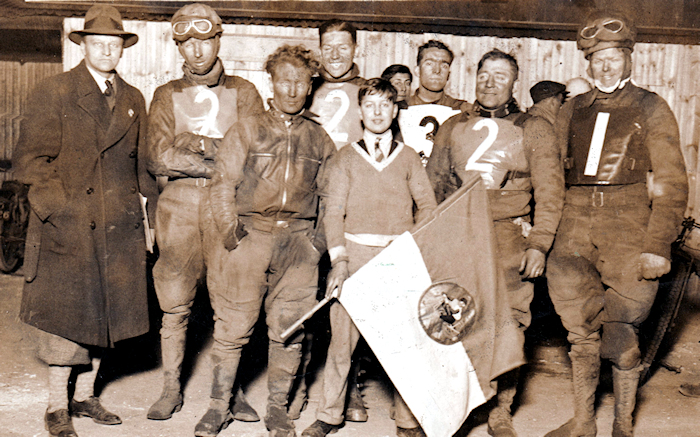
I note your defunct speedway pages, perhaps
these 2 photographs would be of interest.
Two images featuring my grandfather, J R
Cory. The one with the flag has handwritten on the back: JRC / Frank
Arthur / 3 ?
/ Wal Phillips (2) / Gus Kuhn (2) / Arthur Warwick (1)
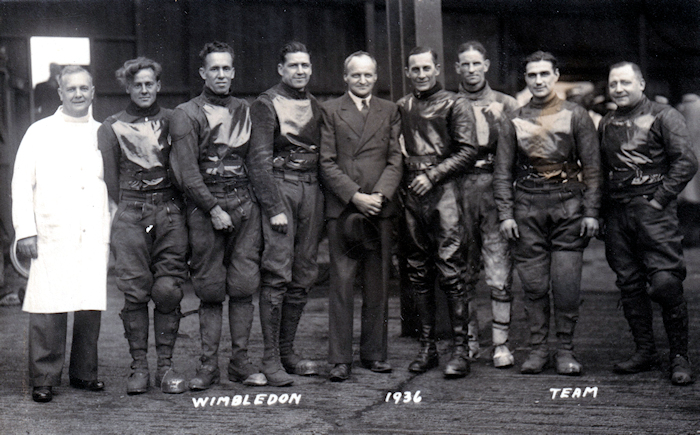
The other is a
postcard, unused, with no other captioning than Wimbledon 1936 team on
the front.
I guess these are (c) Estate of J R Cory
archives, but you can reproduce as you wish without restrictions
including posting on forums etc.
Best regards, Jim
Champ |
| |
| |
| Wimbledon
1936 |
| |
 |
| Courtesy of Jim Champ |
| |
|
| |
| |
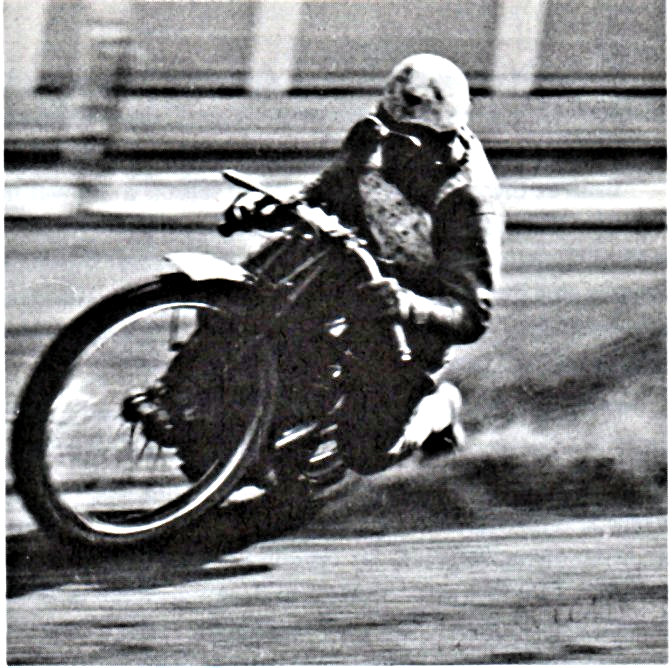
| Billy Lamont |
| |
| The "Cyclone" |
| |
 |
| |
|
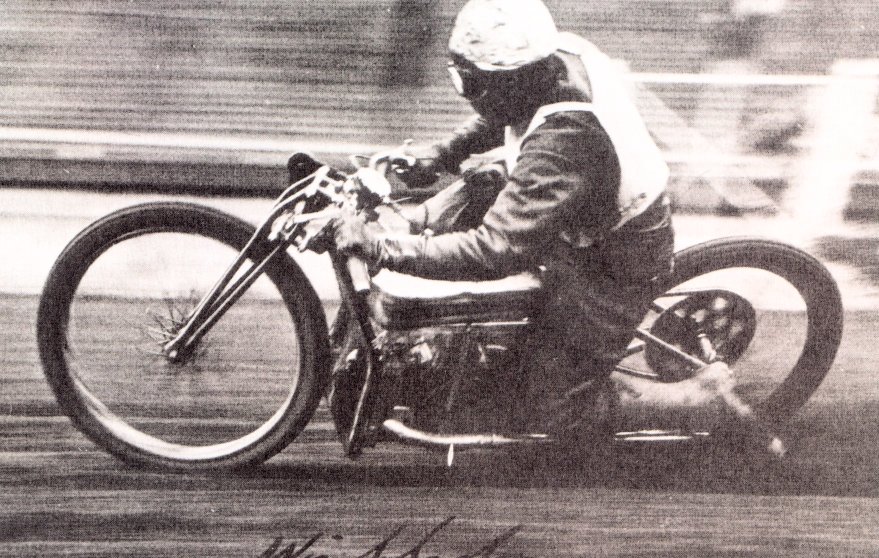
Billy Lamont showing the quickest way around
Plough Lane back in 1929
|
| |
 |
| |
|
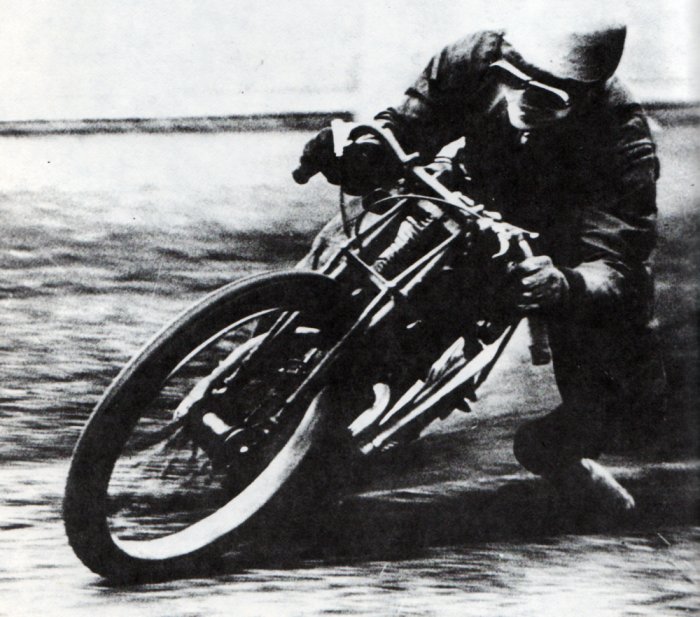
Billy Lamont in 1930. The picture highlights
Billy's Douglas DT machine. Despite it's technical frailties
compared to a modern machine. I will bet these Douglas's were very
fast! At this time only the Harley Peashooter and the Rudge could
give the Douglas a run for its money.
|
| |
|
| |
| |
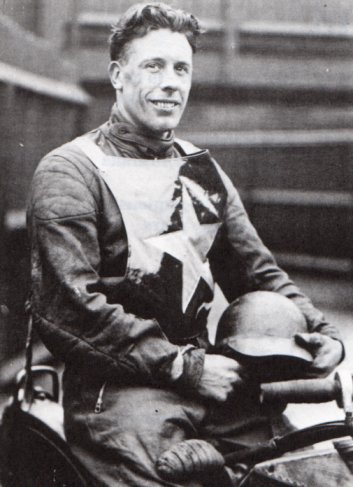
| Ray Tauser
1931 |
| |
 |
| |
|
| |
| |
|
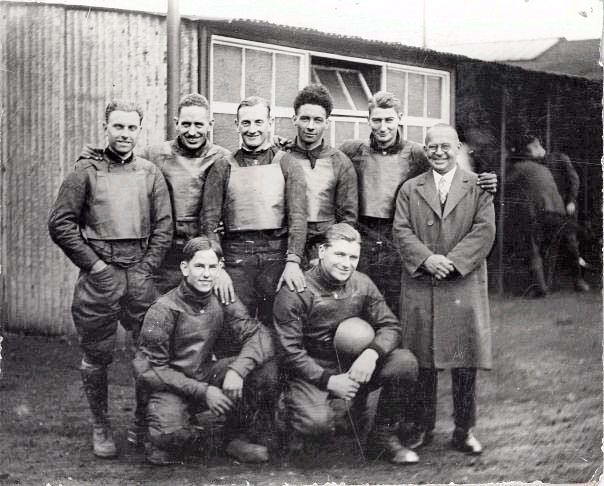
Wimbledon 1931
|
| |
 |
|
Courtesy of John Chaplin |
| |
| Can you email me with any names for these faces
John |
| |
| |
|
| |
| |
|
Claude Rye
1930's
|
| |
 |
| |
|
| |
| |
| North v South
1934 |
| |
|
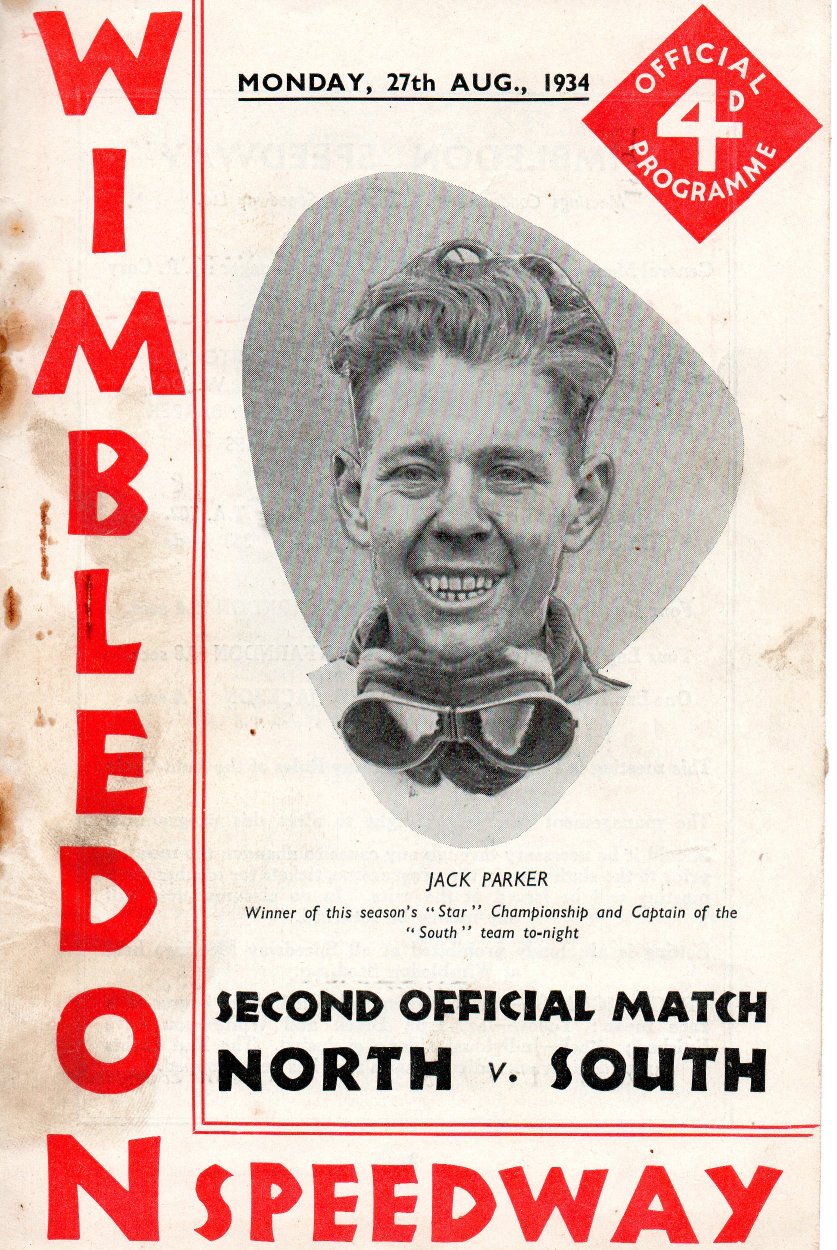
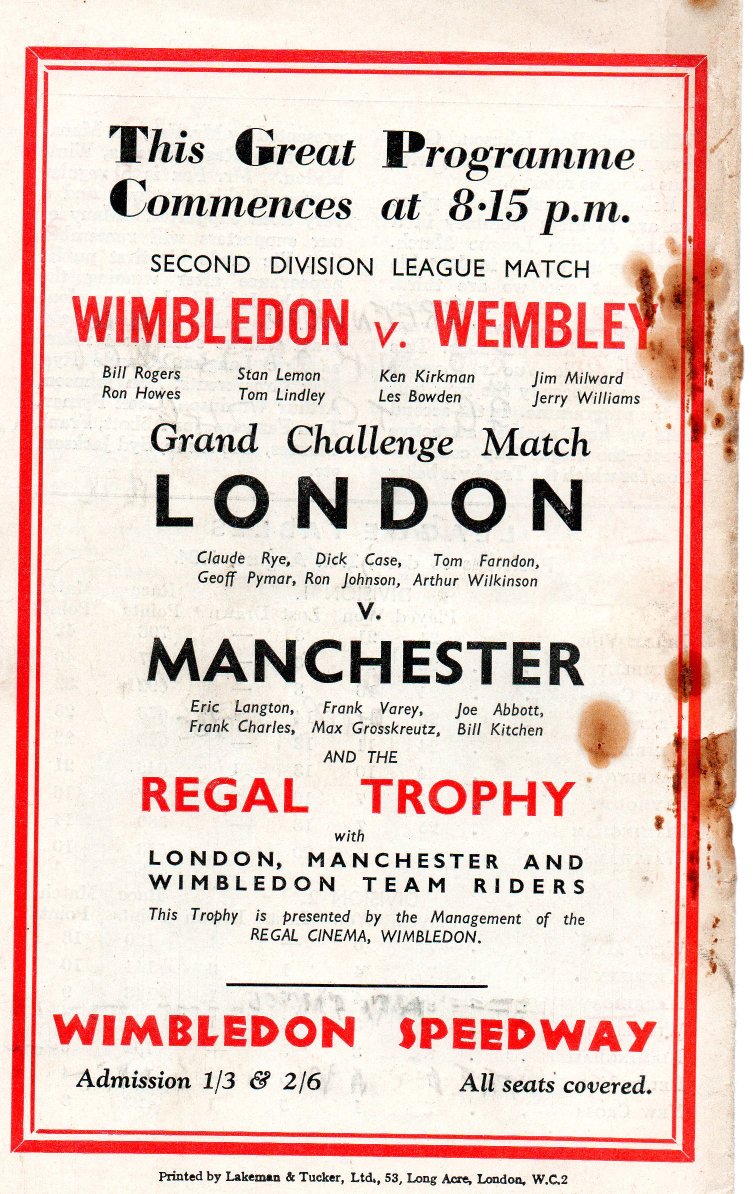
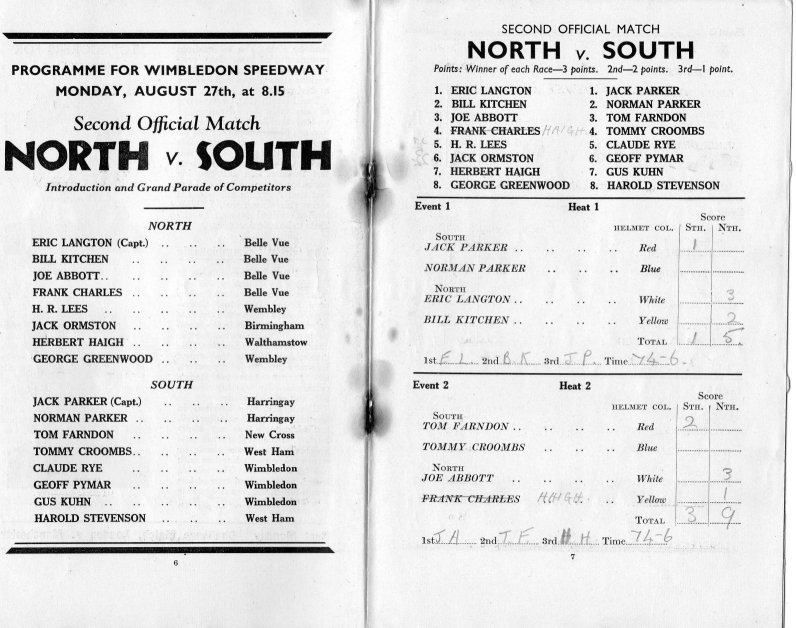
Front, back and centre programme pages from
1934 which was a "Fourpenny one". I suspect it was more affordable to go
to a speedway match in the 1930s?
|
| |
|
| |
| |
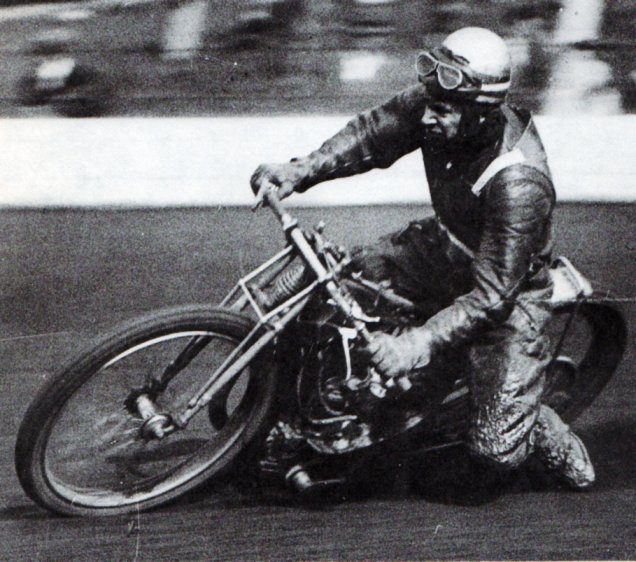
| Vic Huxley
1935 |
| |
 |
| |
|
| |
| |
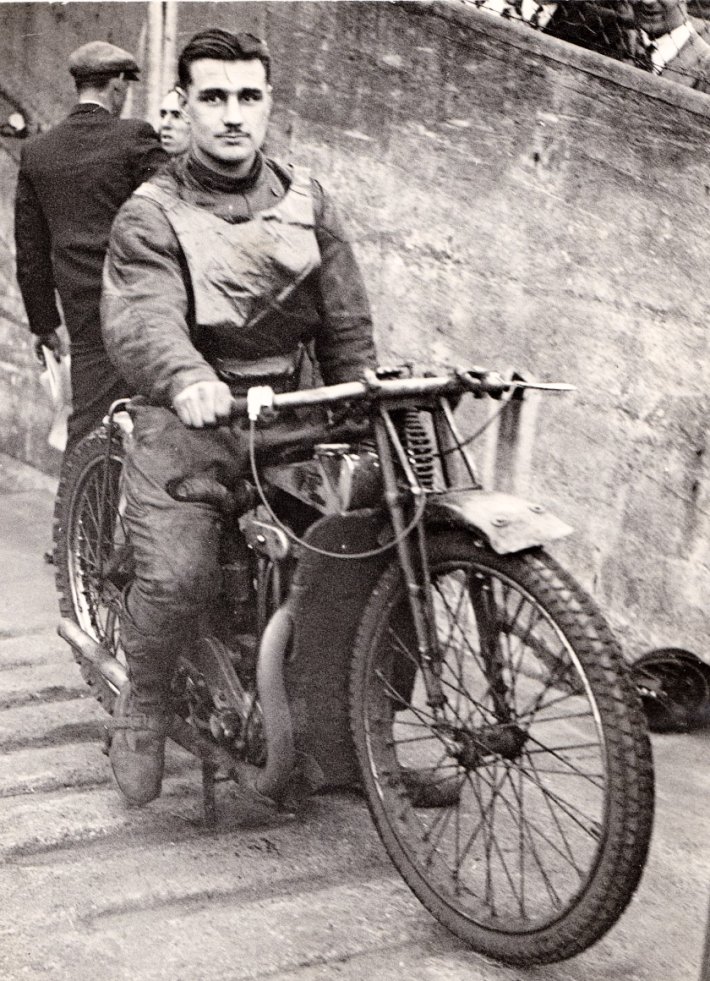
| Wal Morton
1936 |
| |
 |
| |
| John says:
I know that this is Wal Morton in 1936 sporting a
black body colour. Can anyone say which team Wal rode for in 1936?
John |
| Gary Thompson says: Hi John,just been looking
through my records,and it seems Wal was riding for Wimbledon in 1936 as
he had done also the previous year. |
| Nigel Bird says: Wal Morton. In black race
bib. This is most likely a red bib as this colour can appear black
on B/W photos. The star motif did not appear on the Wimbledon race
jacket until 1937. Wimbledon used a Black RJ as an away strip at
Belle Vue and vice verse early 1934 |
| |
|
|
|
| |
| |
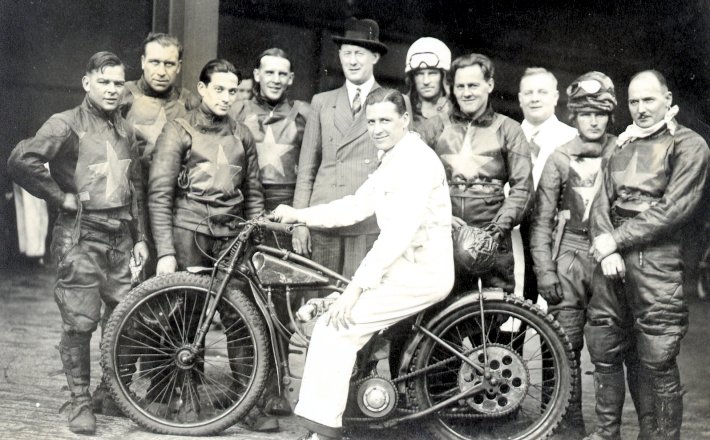
| Wimbledon
1938 |
| |
 |
| |
Steve Brown says: Hi John, The Wimbledon team pic is
from 1938. L to R : Wally Lloyd, Nobby Key, Benny Kaufman, Ray
Taylor, Ronnie Greene (promoter), Wal Phillips (on machine), Eric
Collins, Geoff Pymar, Nobby Clark (trainer), Wilbur Lamoreaux,
Norman Evans.
|
| Steve Baker also named the team so thank you very
much the two Steves. |
| |
|
| |
| |
| England v Australia
1948 |
| |
|
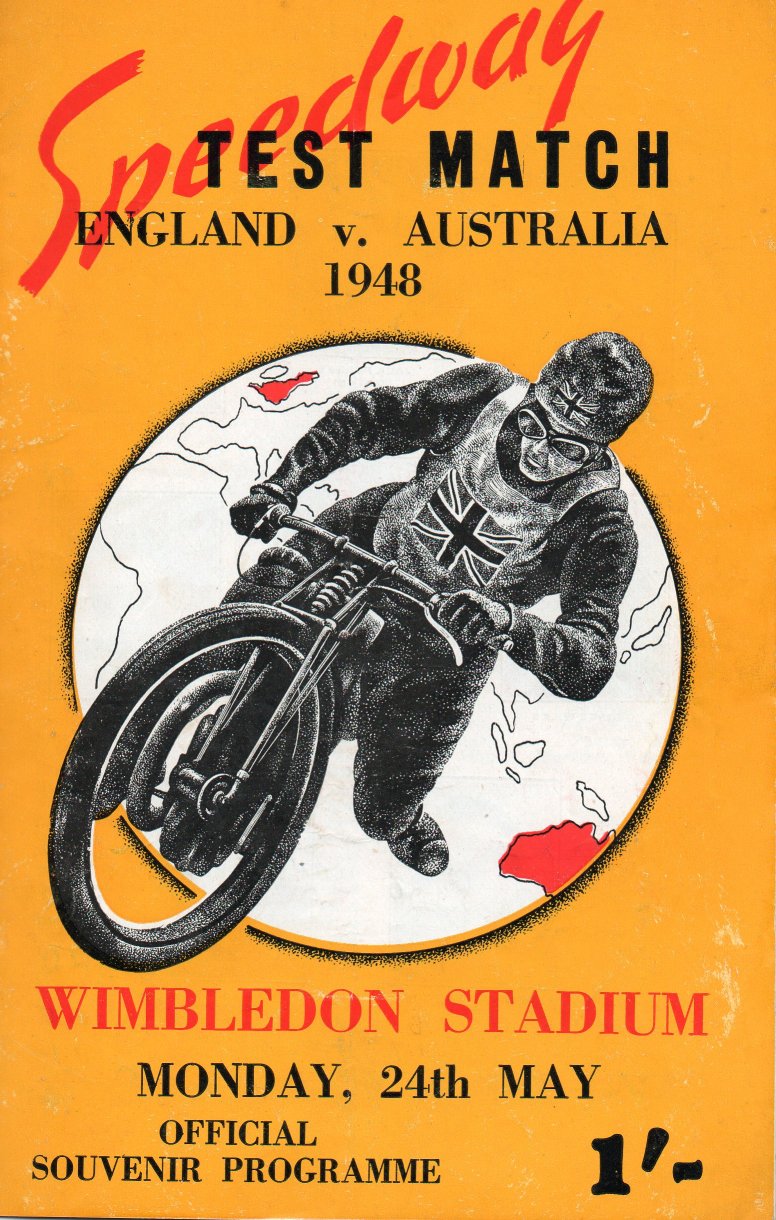
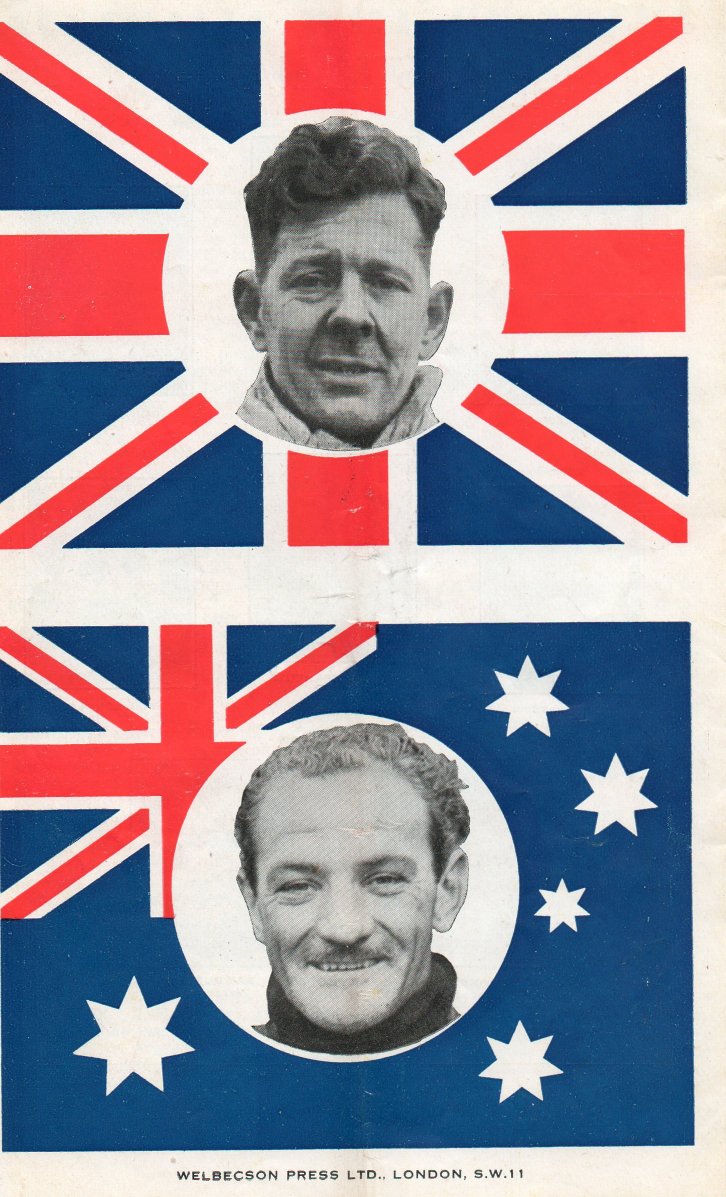
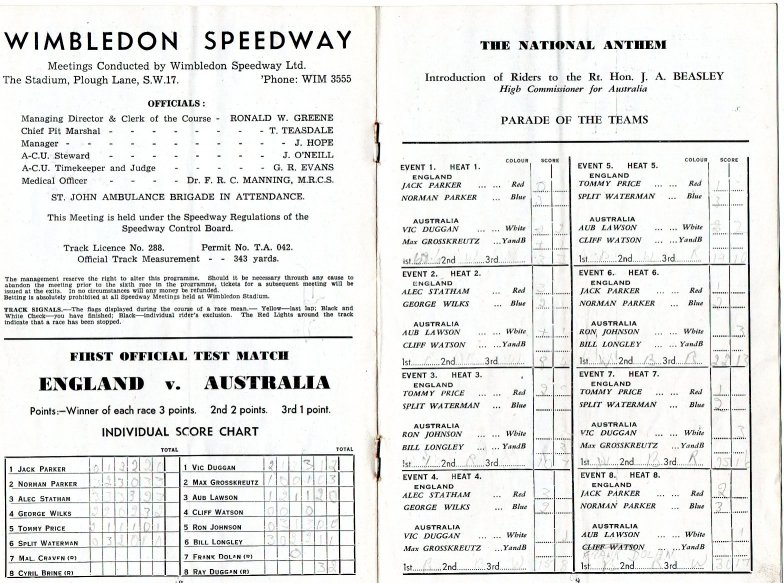
1948 Test Match
|
| |
| England v Australia is always a
spectacle, both countries are keen to put one over on the other.
In our league teams we love the Aussies riding for our teams in UK
leagues but when we put on national colours it is all out battle. |
| |
| |
|
| |
| |
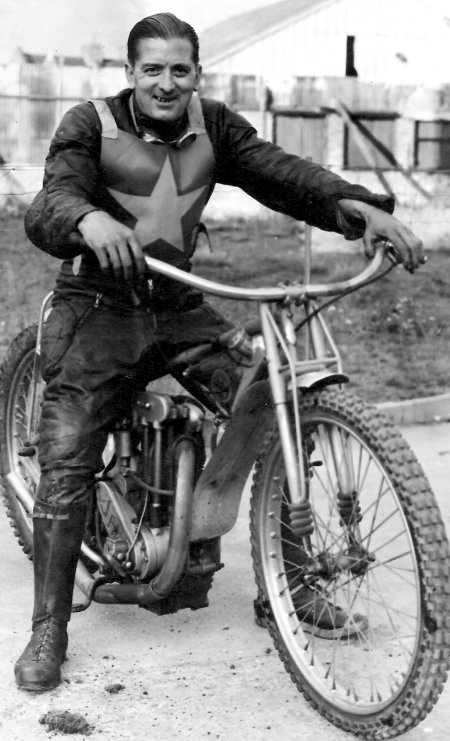
| Norman Parker |
| |
 |
| |
|
| |
| |
|
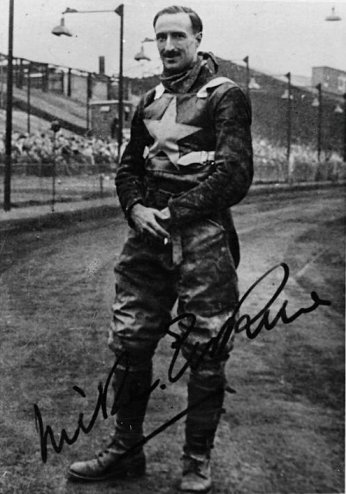
Mike Erskine
|
| |
 |
|
Courtesy of David
Gibbison |
| |
|
| |
| |
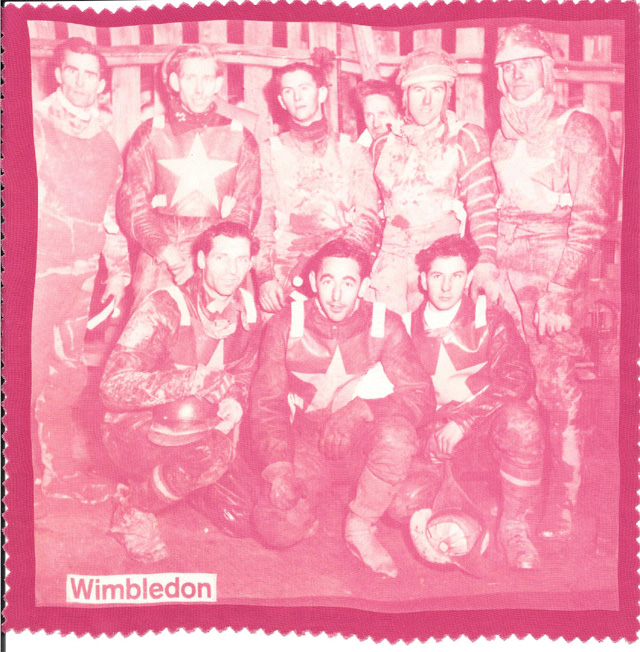
Wimbledon
1952 Or 1953 |
| |
 |
|
Courtesy Thomas Sagergrim
|
| |
| Can you say the year and name the
riders?
John |
|
Gordon Jack says: With
reference to Thomas Sagergrim's Wimbledon team photo, the riders are: Back
row - Don Perry; Peter Moore; Ronnie Moore; Barry Briggs; unknown Front
row - Reg Trott; Geoff Mardon and Cyril Maidment.It looks like Cyril
Brine's brother, Ted at the back between Moore and Briggs. Ted Brine was
the team manager. The year would have been 1952 or 1953.I hope this helps
- keep up the good work. |
| Sharon Brine (Teds daughter) says: it is my
dad Ted between Ronnie and Barry |
|
| |
|
| |
| |
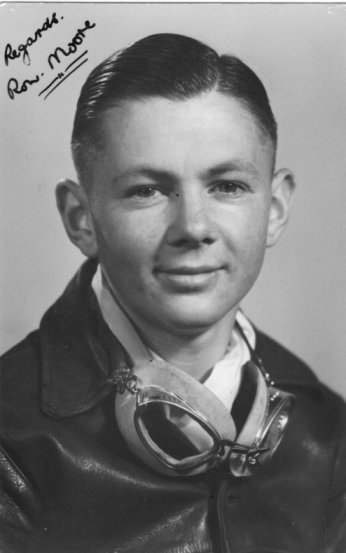
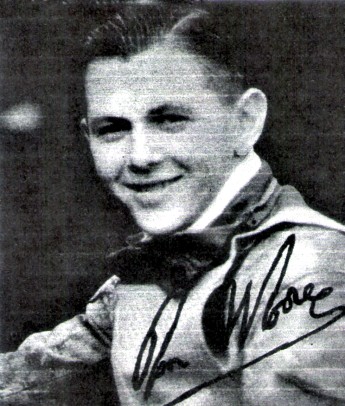
A Young
Ronnie Moore |
| |
 |
| |
| Ronnie was the first of 3 New
Zealand Riders to lift the world title. He was followed by Barry
Briggs and then both riders were eclipsed by the achievements of
Christchurch's Ivan Mauger. |
| |
| |
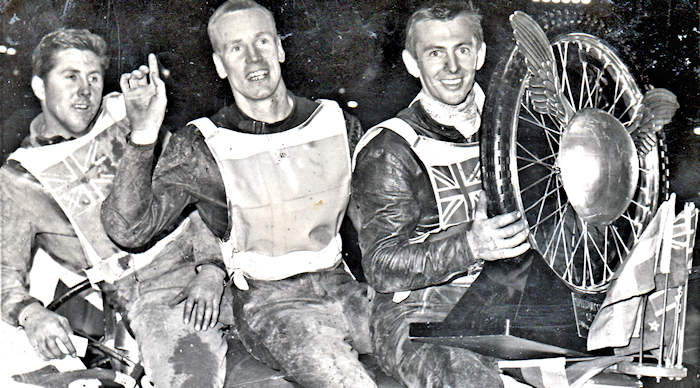
| Ronnie Moore 1959 World Champion |
| |
 |
| Courtesy of Nigel |
| |
| 1959 world final. Champion Ronnie Moore with his
trophy, runner up behind Ronnie is Ove Fundin and Barry Briggs at far
left in the bronze medal position. |
| |
|
| |
| |
|
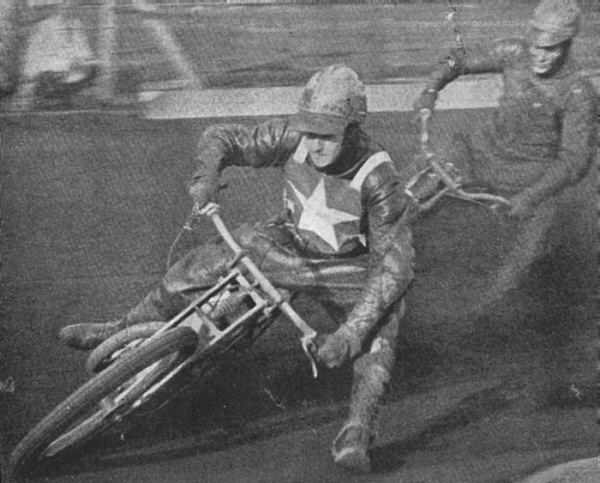
Basil Harris &
Cyril Brine
|
| |
 |
|
Picture courtesy of Steve Brown
|
| |
| |
|
| |
| |
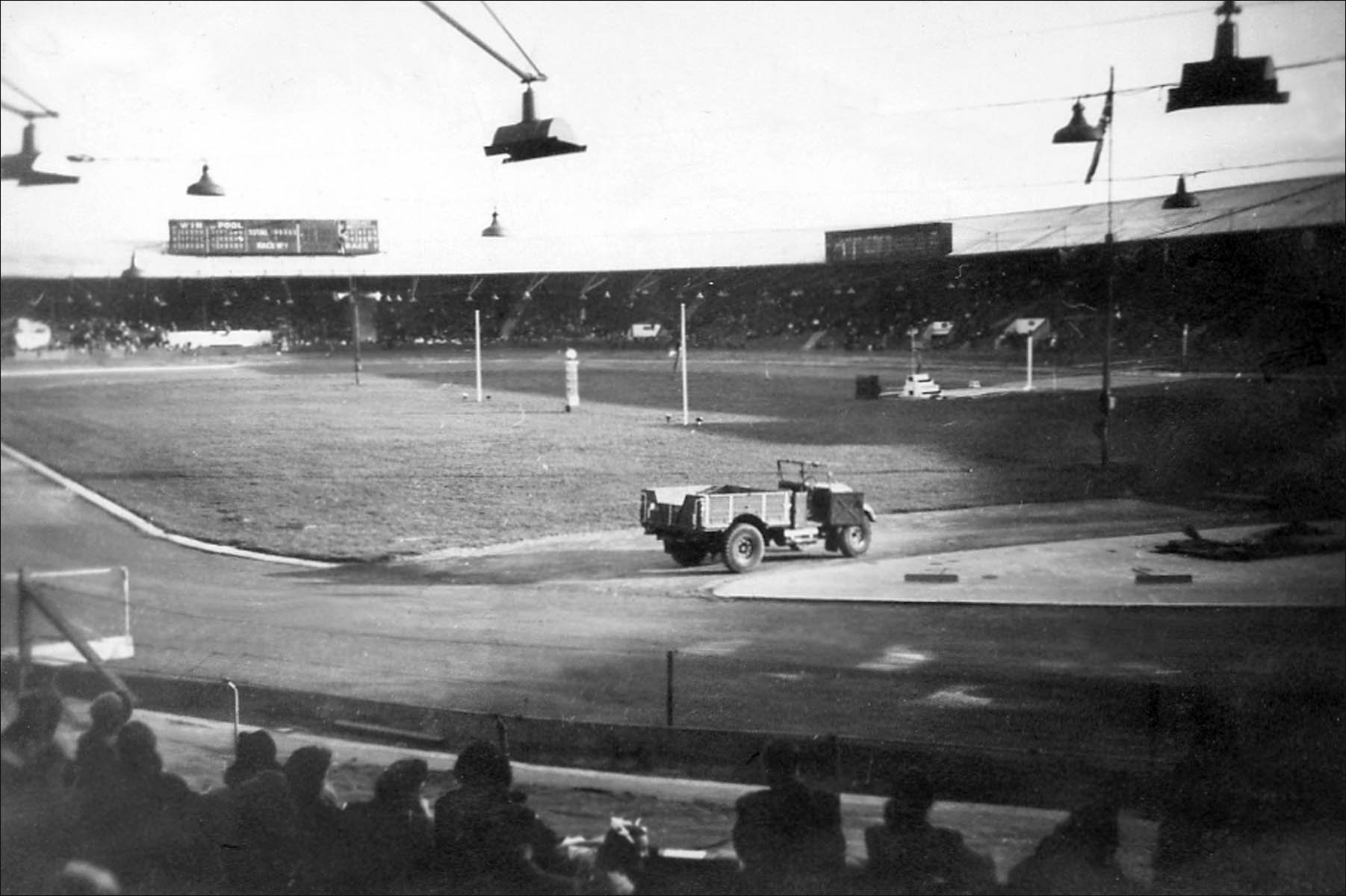
Plough Lane
A Great Stadium |
| |
 |
|
Courtesy of Fred Pallett
|
| |
|
|
|
| |
| |
|
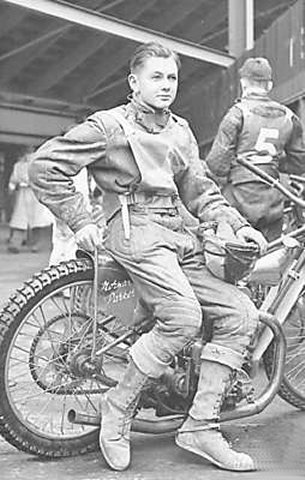
A Young Ronnie Moore
1950's
|
| |
 |
| |
|
| |
| |
|
Wimbledon's Golden Age
The 1950s/1960s |
| |
| With all due respect to riders before and after this
period. The Dons in this era were very attractive visitors on their
travels, whom you had to be at the top of your game to beat. |
| |
| |
|
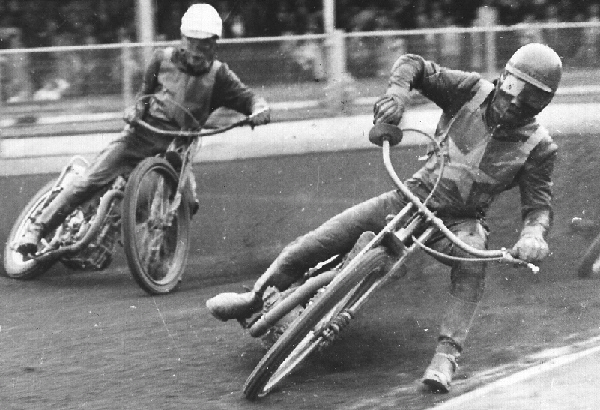
Ronnie Moore & Bob Andrews
|
| |
 |
|
Picture courtesy of Steve Brown
|
| |
| |
|
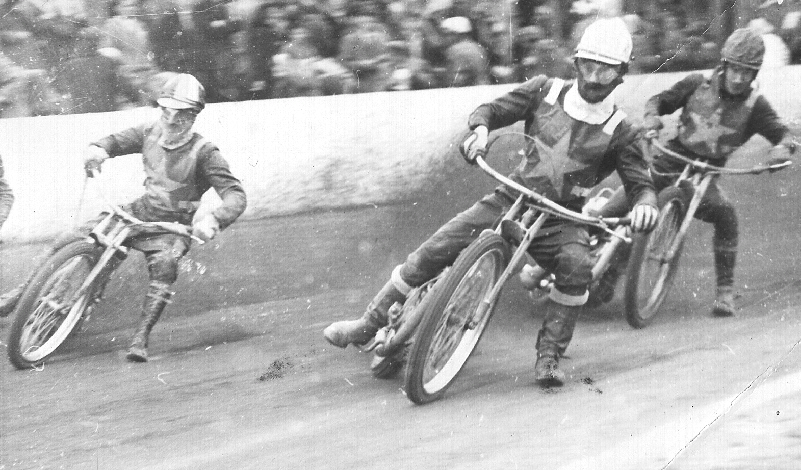
Ron
How
Gerry Jackson
& Ove Fundin
|
| |
 |
|
Picture courtesy of Steve Brown
|
| |
|
| |
|
|
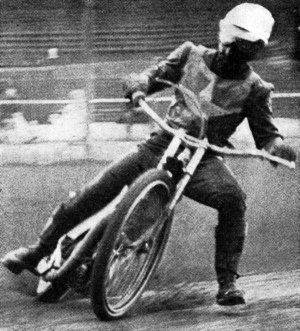
| Trevor Hedge |
| |
 |
| |
|
| |
| |
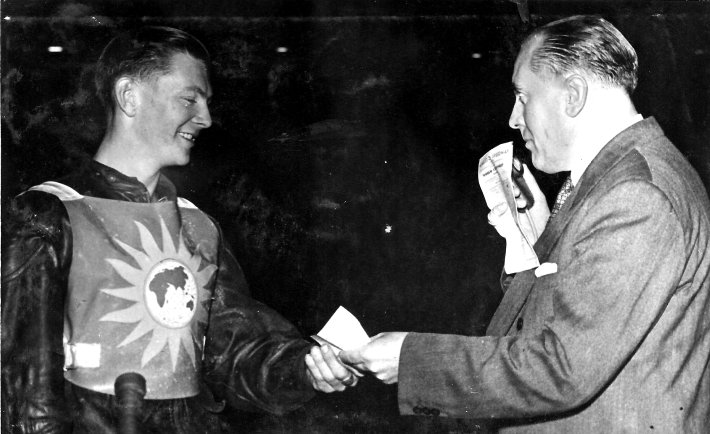
| Ronnie Moore |
| |
 |
| |
|
My source says this is Ronnie Moore which it may
well be? but I have a few doubts! maybe its just an
odd camera angle making me think it may not be Ronnie? Can you name the rider and say
what his race jacket is, I presume it was a world
championship event John
|
| |
| |
|
| |
| |
| |
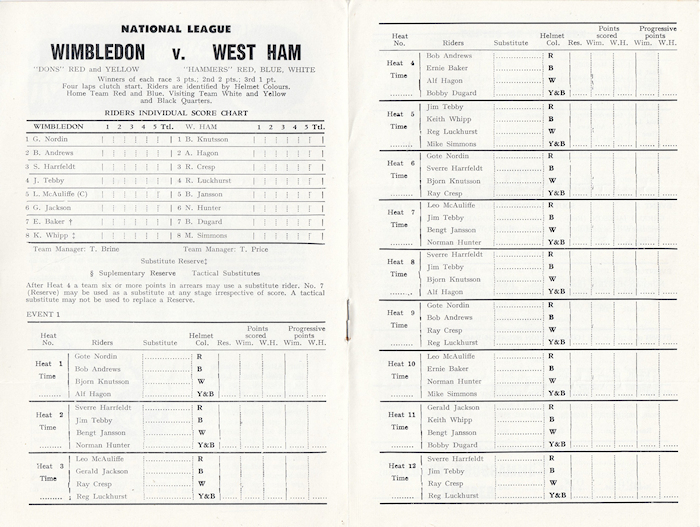
| Wimbledon v West Ham |
| |
| 1964 |
| |
.jpg) |
| Courtesy of Wattie Dunlop |
| |
 |
| Courtesy of Wattie Dunlop |
| |
| Whispering Dons |
| |
| 1964 |
| |
.jpg) |
| Courtesy of Wattie Dunlop |
| |
| |
|
| |
| |
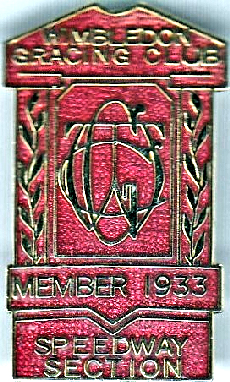
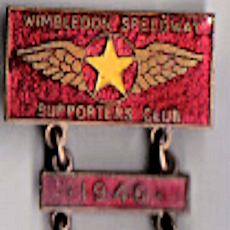
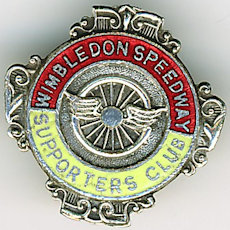
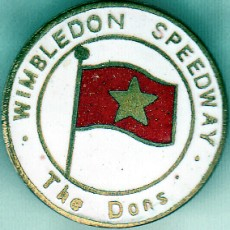
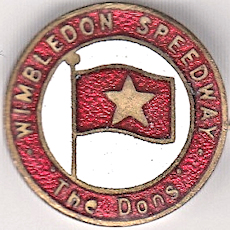
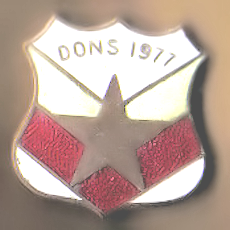
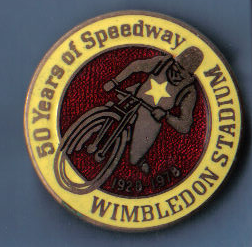
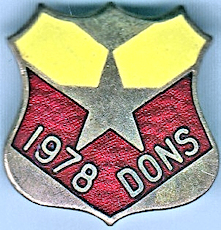
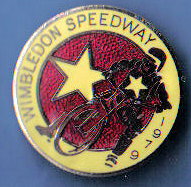
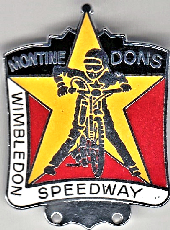
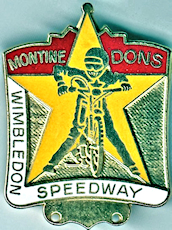
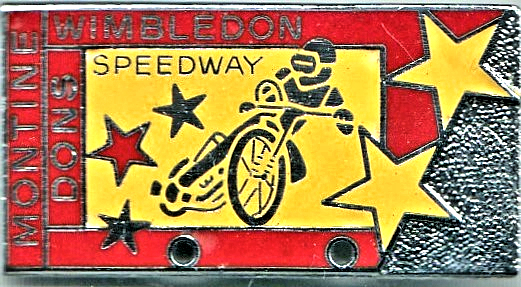
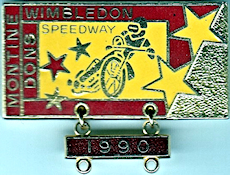
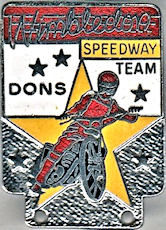
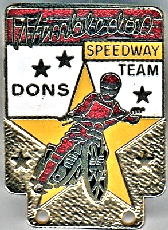
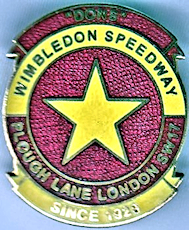
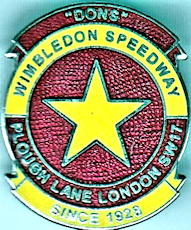
| Wimbledon Badges |
|
|
|
|
 |
 |
|
|
1933 re-issue 2004 |
1940 |
|
|
|
|
|
|
|
 |
 |
|
|
1955 |
1966 |
|
|
|
|
 |
 |
 |
|
1967 |
1969 |
1970 |
|
|
|
|
 |
 |
|
|
1970 |
1972 |
1972 |
|
|
|
|
.jpg) |
 |
 |
|
1973 |
1973 |
1974 |
|
|
|
|
 |
 |
 |
|
1974 |
1975 |
1975 |
|
|
|
|
.jpg) |
 |
 |
|
1976 |
1976 |
1976 |
|
|
|
|
 |
 |
 |
|
1977 |
1977 |
1978 |
|
|
|
|
 |
.jpg) |
 |
| 1978 |
1978 |
1979 |
| |
|
|
.jpg) |
.jpg) |
 |
| 1979 |
1979 |
|
| |
|
|
 |
.jpg) |
.jpg) |
| 1980 |
1980 |
1980 |
| |
|
|
 |
.jpg) |
 |
| 1980 |
1981 |
1981 |
| |
|
|
 |
 |
 |
| 1982 |
1983 gold |
1983 |
| |
|
|
.jpg) |
 |
|
| 1983 |
1983 silver |
|
| |
|
|
 |
 |
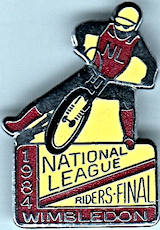 |
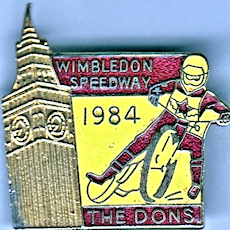
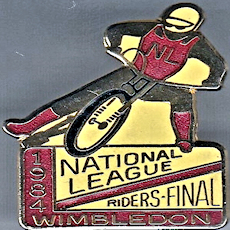
| 1984 |
1984 gold |
1984 silver |
| |
|
|
 |
 |
 |
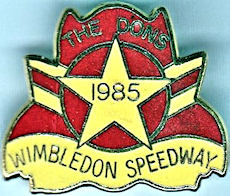
| 1985 |
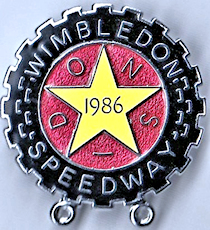
1986 |
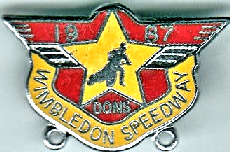
1987 |
| |
|
|
 |
 |
 |
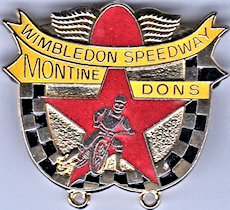
| 1988 gold |
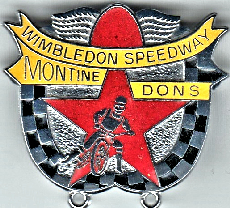
1988 silver |
1989 |
| |
|
|
 |
|
|
| 1989 |
|
|
| |
|
|
  |
| 1990 |
1990 |
| |
|
|
 |
 |
 |
| 1991 silver |
1991 gold |
2002 |
| |
|
|
 |
 |
 |
| 2002 |
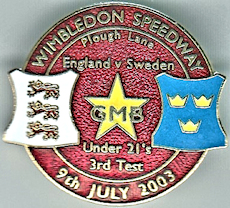
2003 |
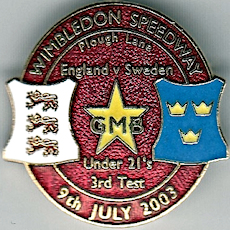
2003 |
| |
|
|
 |
 |
.jpg) |
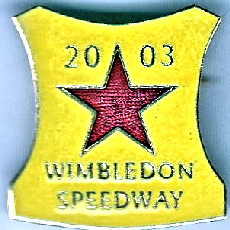
| 2003 gold |
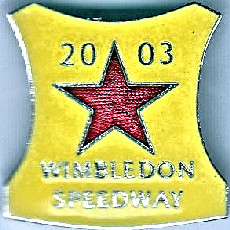
2003 silver |
|
| |
|
|
.jpg) |
 |
.jpg) |
| 2004 |
2004 |
2005 |
| |
|
|
.jpg) |
.jpg) |
The majority
of these badge scans are courtesy of Wattie Dunlop |
| 2005 |
2005 |
|
| |
|
|
| |
|
|
 |
.jpg) |
| Year Unknown |
|
| |
|
|
| |
|
| |
| |
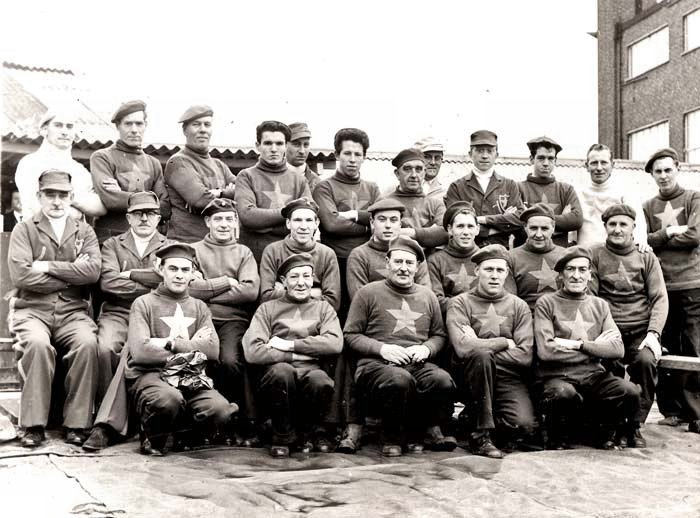
| Wimbledon Track Staff
Around 1960 |
| |
 |
|
Photo Courtesy of Steve in Godalming |
| |
| Steve says:
Wimbledon track staff from around 1960. Names I know: Back row - 2nd from right
- Jack Rackett, 4th from right - Frank Lawrence, 8th from right - Denis Mills.
Front row - 2nd from right Frank Bone. |
| |
|
|
|
|
|
|
|
|
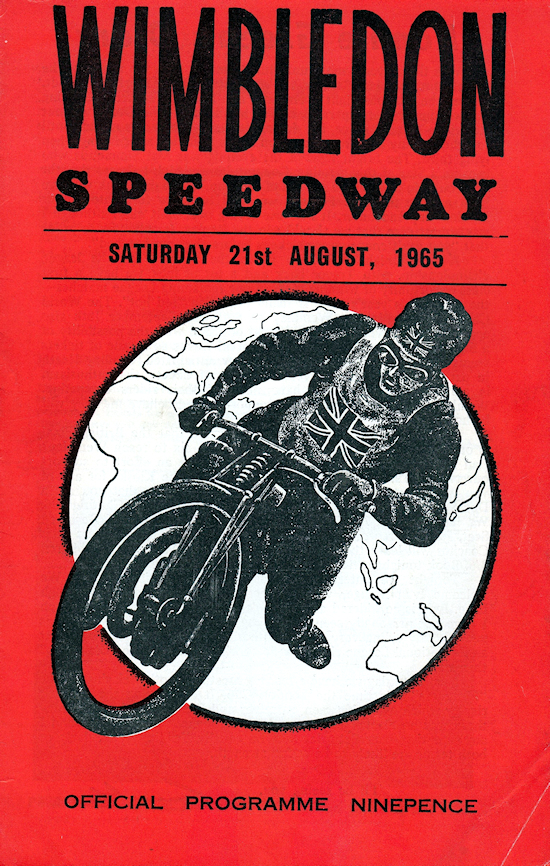
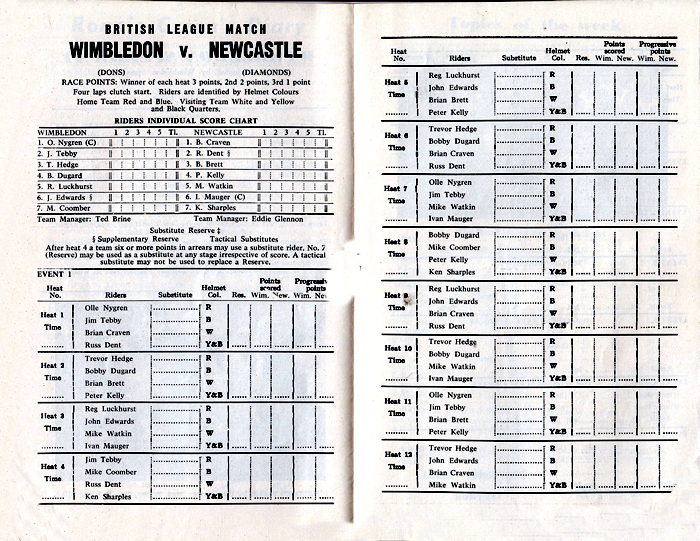
Wimbledon v Newcastle |
|
|
|
21st August 1965 |
|
|
 |
|
|
 |
|
These Programme Scans Courtesy of Wattie Dunlop |
|
|
|
|
|
|
|
|
|
|
Wimbledon Team
1966
|
|
|
 |
|
|
|
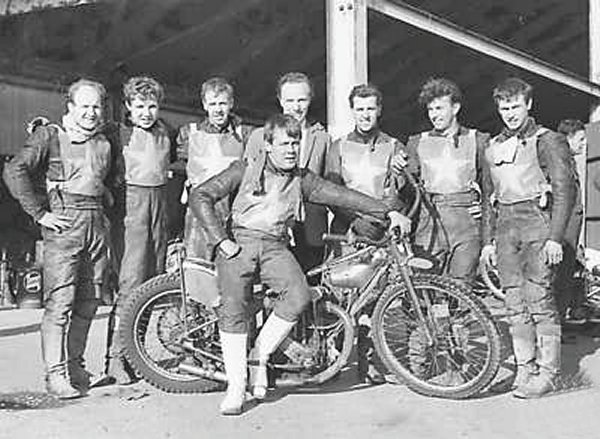
1966 Wimbledon team can you name the riders?
The Star Jacket in black n
white could be the Dons or Norwich and when I saw Olle Nygren on the
bike I thought this was a Norwich team but decided it was Wimbledon. Am
I right?
John |
|
Bob Bath says: l to r: Jim Tebby, Bob Dugard, ?,Vic Gooden (mgr), John Edwards,
Reg Luckhurst, Trevor Hedge. On machine Olle Nygren |
|
Steve Wilkes says: Photo at
Belle Vue Jim Tebby, Bob Dugard, Tony Childs, Vic Gooden (Manager), John
Edwards, Reg Luckhurst,Trevor Hedge, Olle Nygren (leaning on bike) |
|
|
| |
|
| |
| |
|
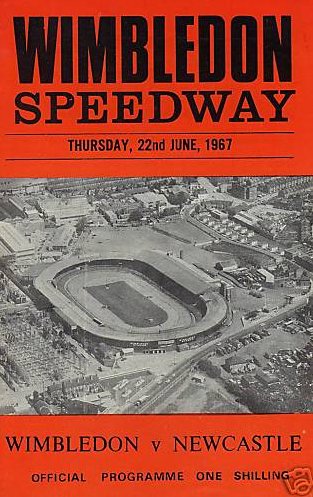
Wimbledon v Newcastle 1967
|
|
|
 |
|
|
| Programme price 1shilling which for those of us born in the 1970s or later is
"Not Very Much" about 5p in current money. The Diamonds may have
had Ivan Mauger in their side on this visit to London. Ivan rode
at Wimbledon in the late 1950s but Dons didn't see his potential and let
him go to Newcastle in 1963. The rest you will already know. |
| |
| |
|
|
|
|
|
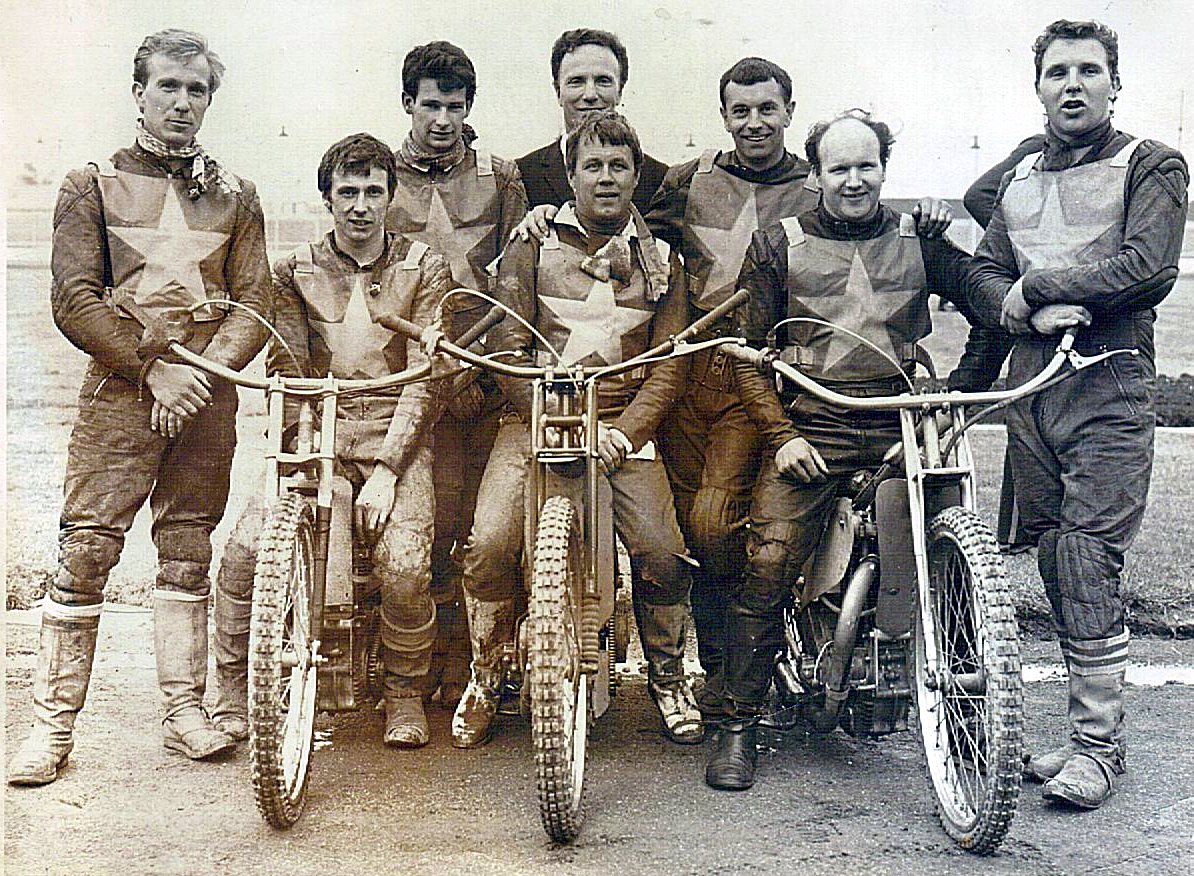
| 1968
Team |
| |
 |
|
|
| Steve Baker says: Hi John, here are the names of the Wimbledon team
from your latest ` name the rider` section picture. Standing left to
right, Alan Cowland, Garry Middleton, Vic Gooden ( team manager), Reg Luckhurst, and Bob Dugard.
On bikes left to right, Trevor Hedge, Olle Nygren and Jim Tebby. The
year is 1968. |
| John says: Jim Tebby's handlebars
look great |
|
| |
| |
|
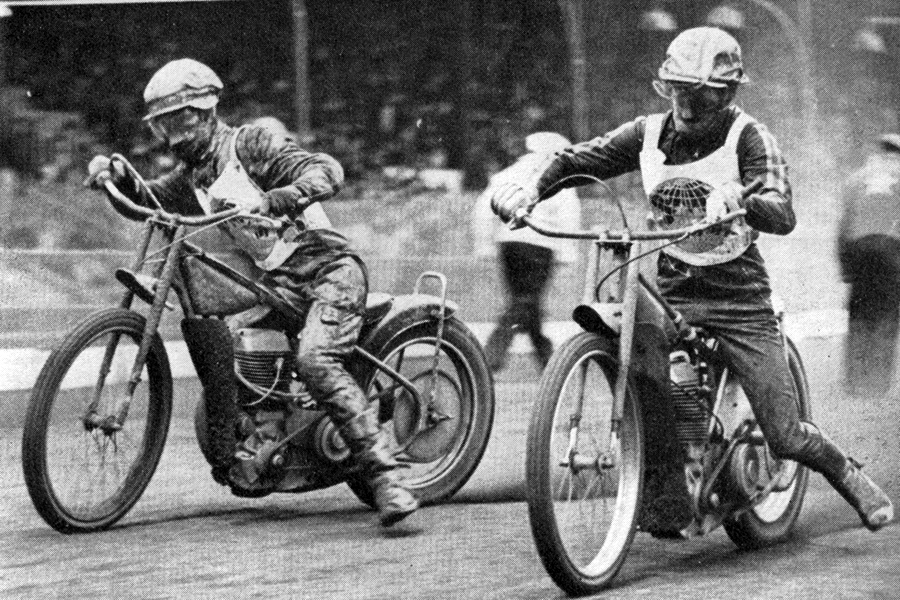
1968 Internationale
|
| |
| Antonin Kasper & Right Bengt
"Banger" Jansson |
| |
 |
| |
|
John says: The race jackets say this is
Wimbledon for the Internationale and I know the year is 1968.
Can you name the riders
John The rider on the inside
is gating the other rider is out of shape.
|
| |
|
Phil Masters says: I recognised the photo of the
1968 Internationale as soon as I saw it, I recall seeing it in either
Speedway Star or Speedway Post. Have every issue from about 1965 and
have just been up in the attic to see if I could find it. Was right,
it was in the August issue of Speedway Post 1968.The photo was
credited to Trevor Meeks and the riders are named as left Antonin
Kasper and right Bengt Jansson. |
| |
|
| |
| |
| Wimbledon
1969 |
| |
.jpg) |
| |
|
| |
| |
|
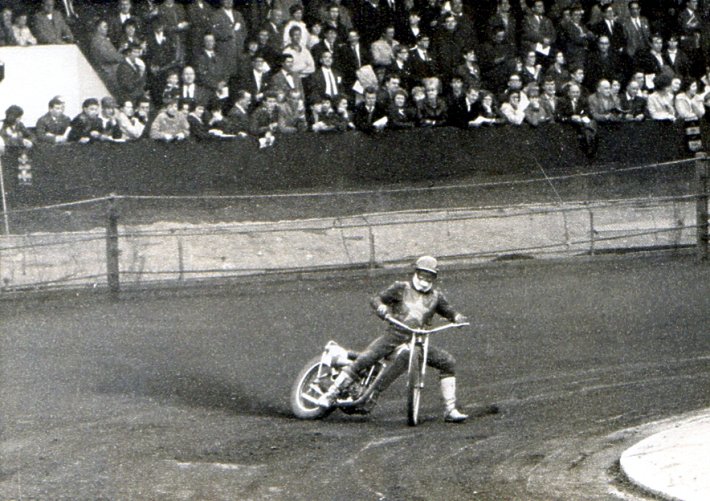
Olle Nygren
|
| |
 |
| Courtesy of Roger Kirby |
| |
|
| |
| |
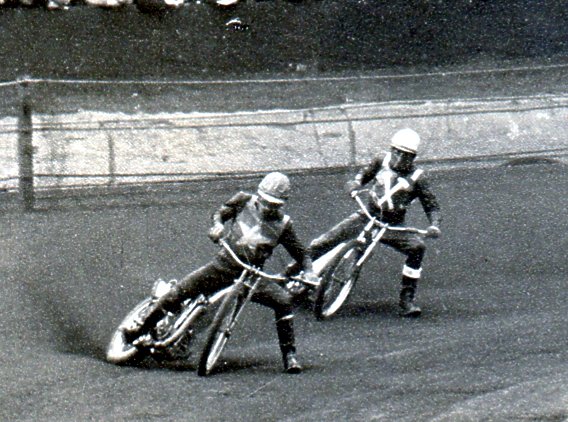
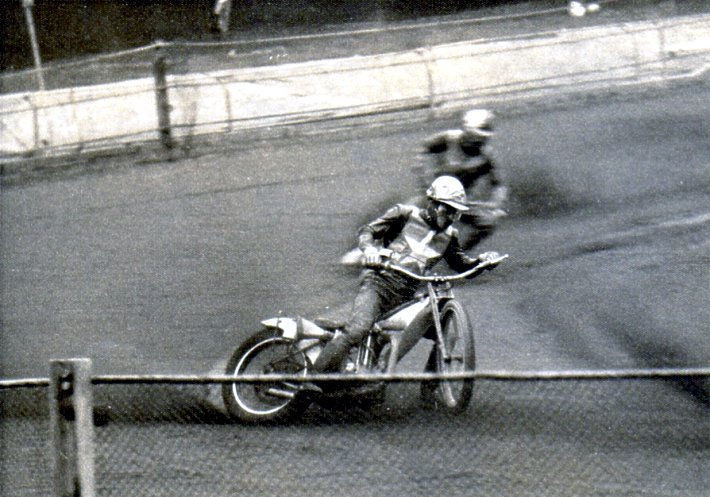
| Reg Luckhurst
1970 |
| |
 |
| |
|
| |
| |
|
Reg Luckhurst 1970 |
| |
 |
| |
| |
|
| |
| |
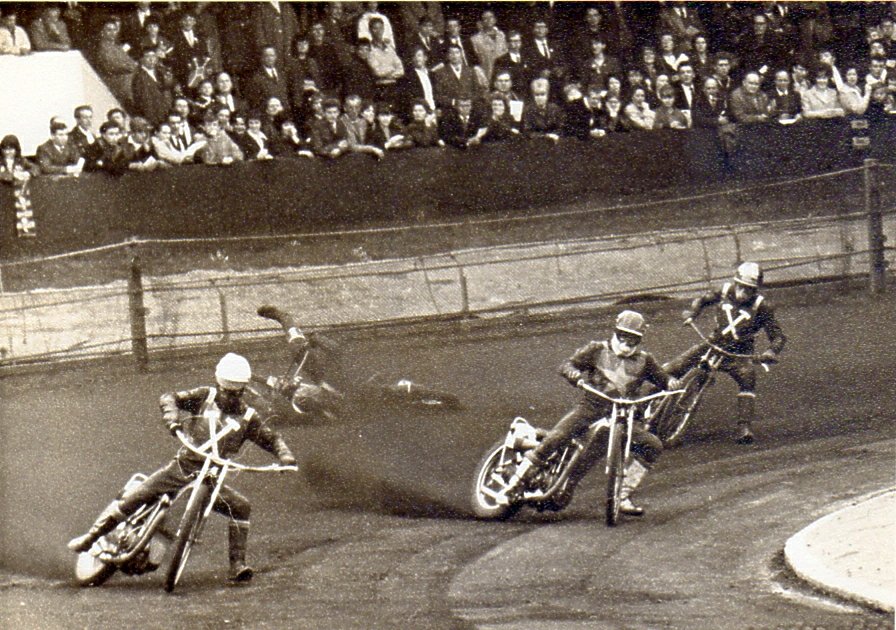
Wimbledon
v West Ham
|
| |
Ken McKinley
Brian Leonard &
Olle Nygren |
| |
 |
| |
|
|
|
|
|
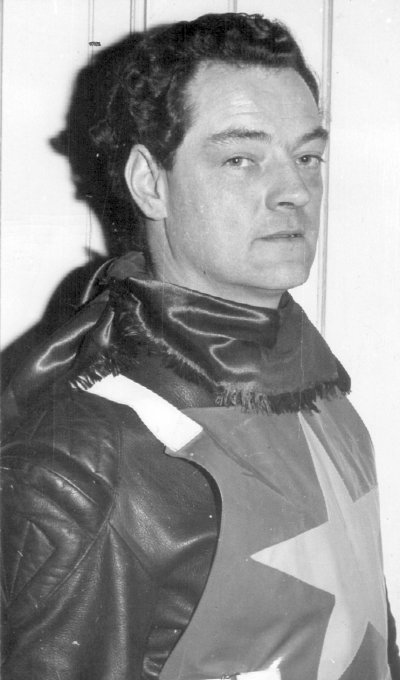
| Geoff Hughes |
|
|
 |
| |
| Steve Wilkes says: The rider is Geoff
Hughes of Wimbledon. |
|
|
| |
|
| |
| |
Wimbledon
Badges
1974 & 1976 |
| |
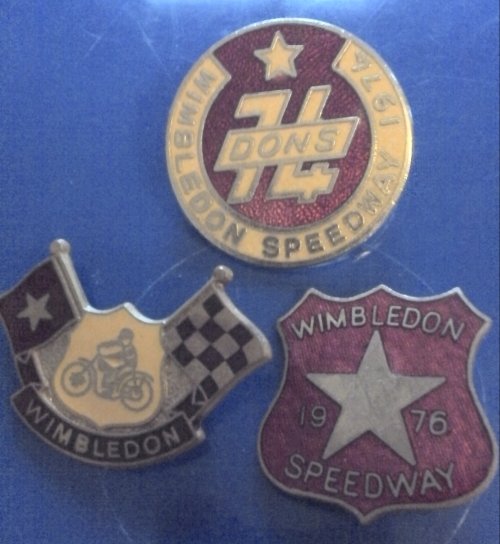 |
| Scan from Russell Earl |
| |
| |
|
| |
| |
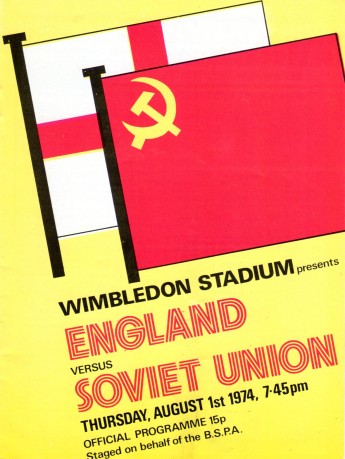
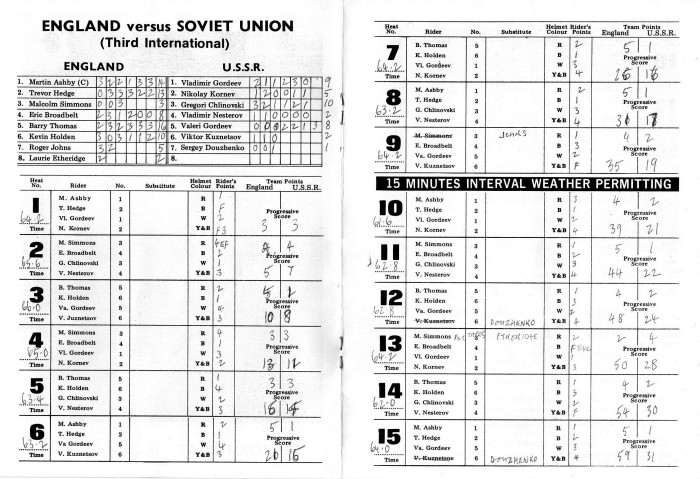
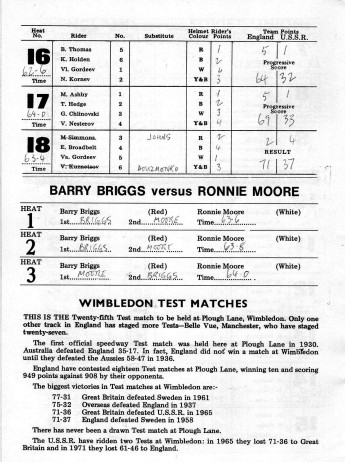
England v
Soviet Union
1974 |
| |
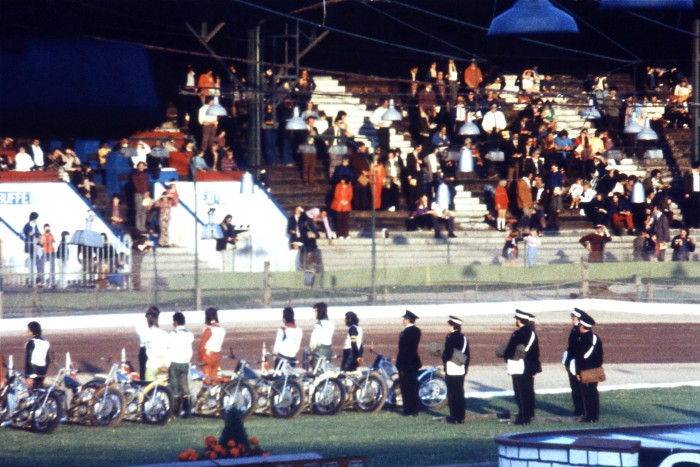
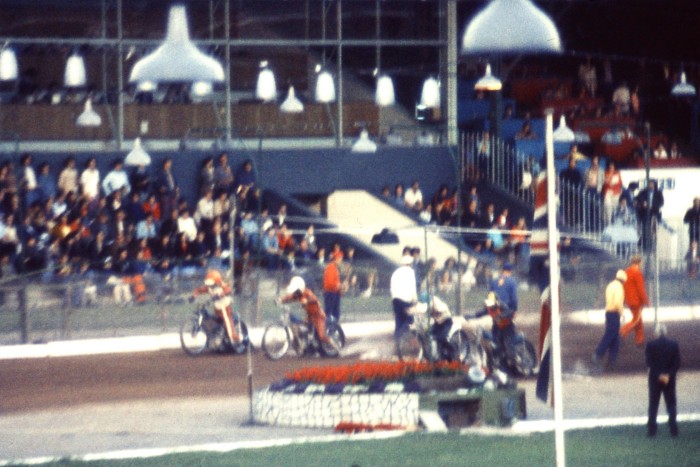
| David Pipes has sent the following
13 images which he took at the England v Soviet Union Test Match at
Wimbledon on 1 August 1974. |
| |
 |
| |
| Photo 1 – Riders introductions –
England team L-R Trevor Hedge, Malcolm Simmons, Eric Broadbelt, Barry
Thomas, Kevin Holden, Roger Johns and Laurie Etheridge. |
| |
 |
| |
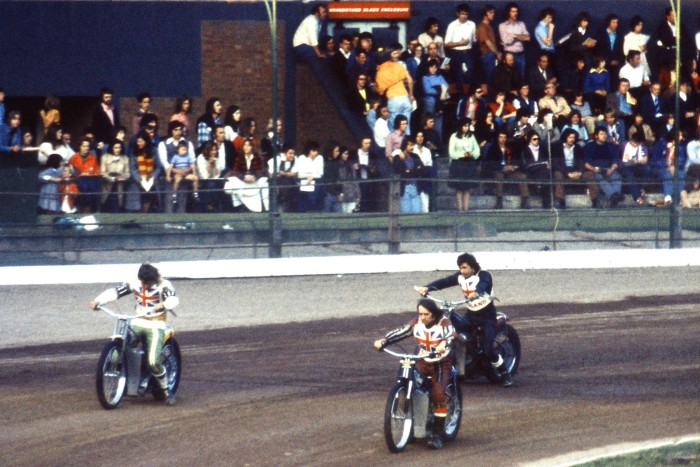
| Photo 2 – L - R Malcolm Simmons,
Martin Ashby and Trevor Hedge |
| |
 |
| |
|
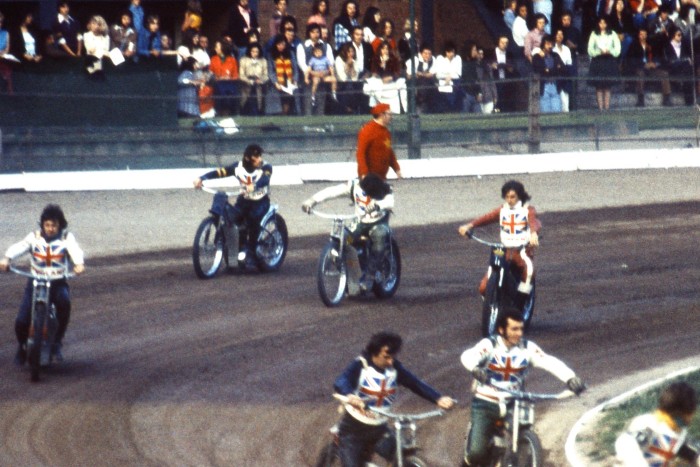
Photo 3 – L - R Kevin Holden – at rear Laurie Etheridge and Barry
Thomas - in foreground Left to Right Roger Johns, Eric
Broadbelt, Malcolm Simmons (bottom right corner)
|
| |
 |
| |
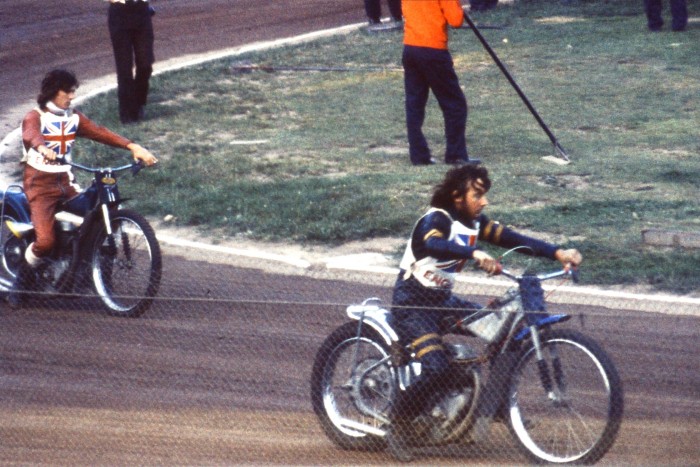
| Photo 4 – Left to Right Barry
Thomas and Laurie Etheridge |
| |
 |
| |
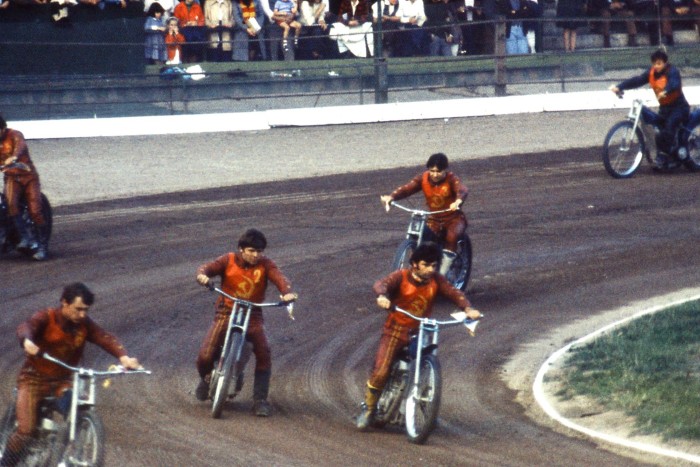
| Photo 5 – Left to Right Viktor
Kuznetsov 6, Nikolay Kornev 2, Vladimir Gordeev 1 and Gregori Chlinovski
3 |
| |
 |
| |
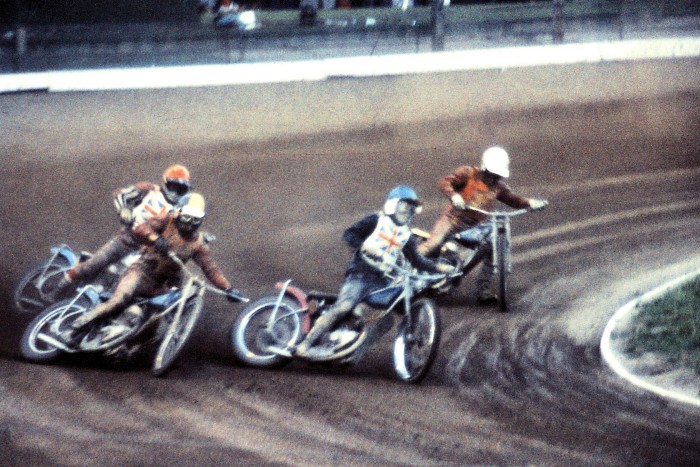
| Photo 6 - Start of race – Barry
Thomas (Red) and Kevin Holden (Blue) |
| |
 |
| |
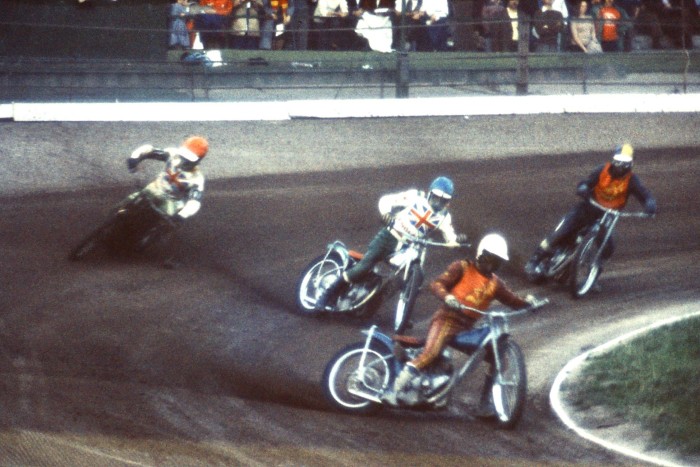
| Photo 7 - Martin Ashby (Red) and
Trevor Hedge (Blue) |
| |
 |
| |
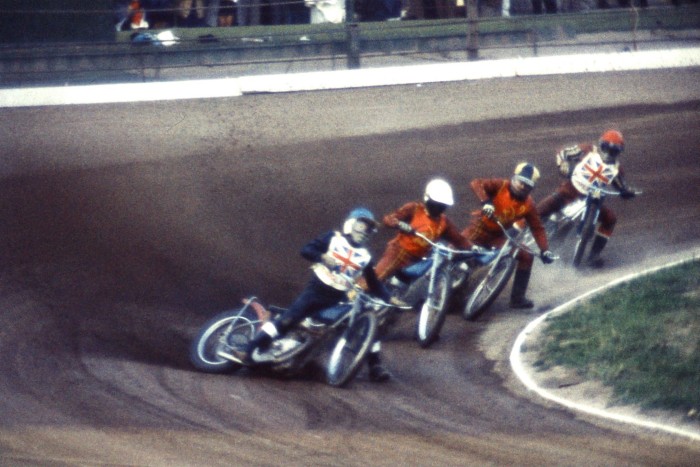
| Photo 8 - Leading Gregori
Chlinovski (White), Eric Broadbelt (Blue) and Vladimir Nesterov (Yellow)
– Malcolm Simmons (Red) at rear left suffering machine failure |
| |
 |
| |
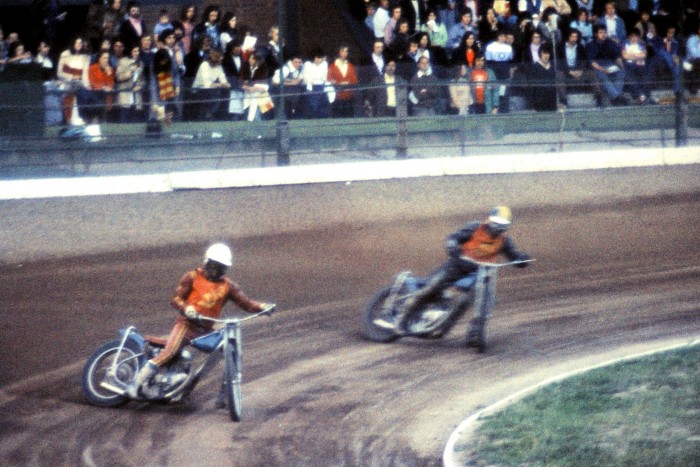
| Photo 9 – Leading Trevor Hedge
(Blue), Vladimir Gordeev (White), Nikolay Korneev (Yellow) and Martin
Ashby (Red) |
| |
 |
| |
| Photo 10 – Leading Gregori
Chlinovski (White) and Vladimir Nesterov (Yellow) |
| |
 |
| |
 |
| |
 |
| |
| My thanks to David Pipes for the 13
scans shown above. |
| |
| |
|
| |
| |
| Wimbledon
1978 |
| |
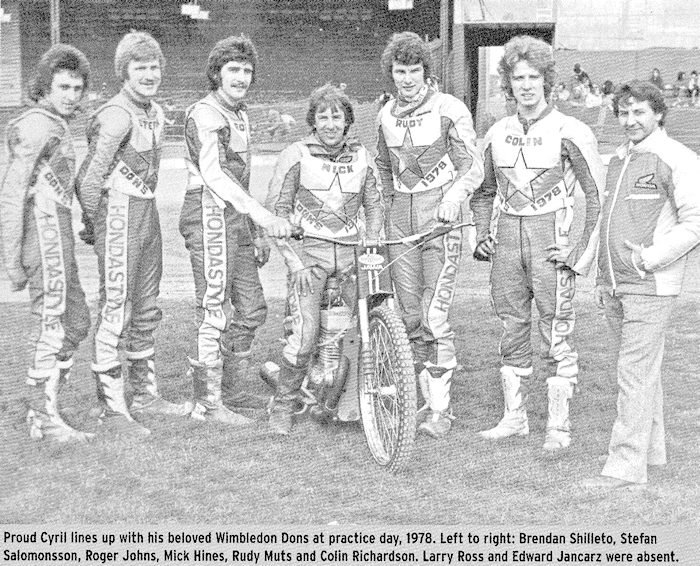 |
| Courtesy of Backtrack |
| |
|
| |
| |
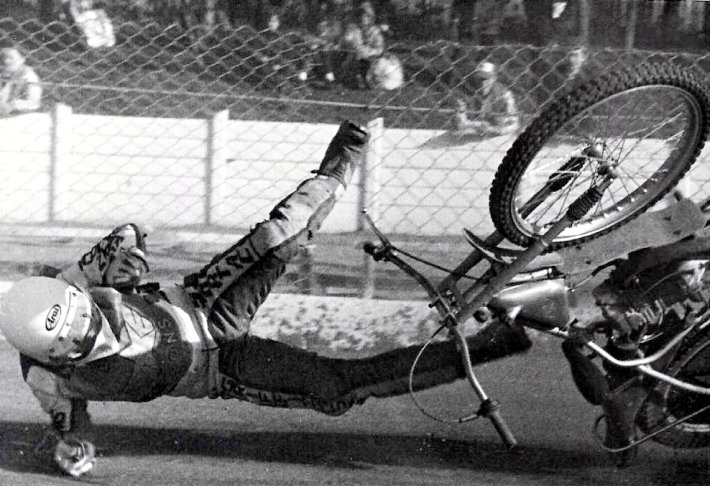
| Fallen Rider |
|
|
 |
| |
| Photographers occasionally capture
an action shot in a split second, like this one. I would guess
that this rider is wearing a Wimbledon race jacket if you recognise the
rider please email me
John |
| Steve Baker says:
Roger Johns |
| |
| |
|
| |
| |
|
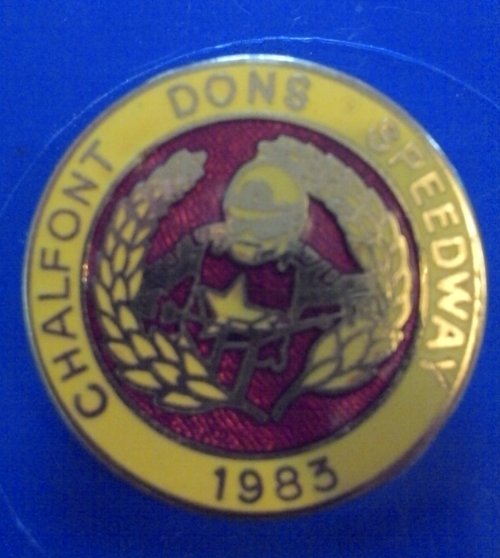
Chalfont Dons Badge
1983 |
| |
 |
| Scan from Russell Earl |
| |
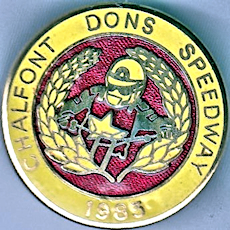
| John
says: The badge is from 1983. Chalfont means nothing to me. The badge
shows a rider with a star on his race jacket so is this Wimbledon?
Please advise if you know anything about this badge by clicking on my
name
John
|
|
Steve Brown says: The Chalfont Dons badge from 1983 is indeed from
Wimbledon. Chalfont Coaches (owned by then-Dons promoter, Chris
Shears) were the team sponsor. |
| Steve
Baker also says: With regard to your picture of the
Chalfont badge, this is in fact a Wimbledon badge from
1983, as the Dons were sponsored by Chalfont that year, I
believe if I remember correctly they were a coach company. |
| |
| |
|
| |
| |
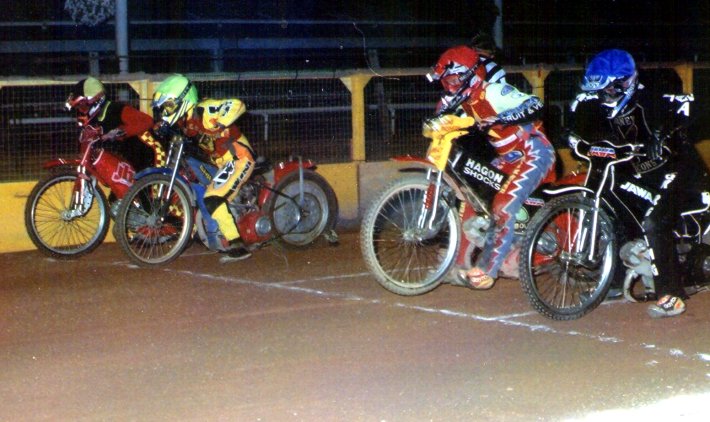
Conference League
Action
2004 |
| |
 |
| |
| Steve Baker says: James Theobald
is in y/b on the outside, but I can't name the other riders. The meeting
is at Conference League level circa 2004 and the track is definitely
Wimbledon. |
| |
|
John
says: I am puzzled by the helmet covers? Red and Blue are starting
alongside each other as are White and Y/B so this isn't a team event |
|
| Jim Henry says: Guy in blue is probably Keith Yorke as you have
a photo of him on his own further down the webpage. |
| |
| John says: The Dons fans must be
unhappy by the demise of Plough Lane which was second only to
Belle Vue in speedways hierarchy in my opinion. In the 1950s/60s
it was unthinkable that both Plough Lane and Belle Vue's Hyde Road
circuits would both become Defunct Speedways. However it has
happened and speedway is continuing without major circuits like Plough
Lane. |
| |
| |
|
|
|
|
|
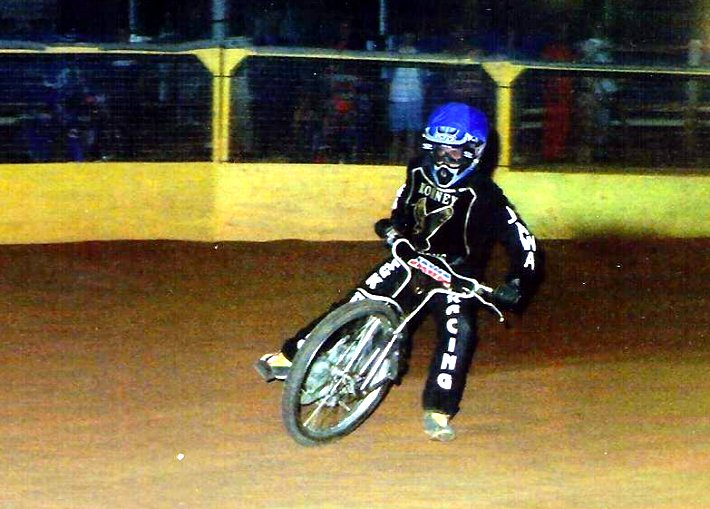
| A Romney Falcon At Wimbledon |
| |
 |
|
|
| Steve
Baker says: I can`t name the rider though he is wearing a Romney
Falcons race jacket who are based at the Lydd circuit , however the pic is not taken
at that track |
| Brian Ford says: The track is Wimbledon,
rider is Keith Yorke. |
| |
|
| |
| |
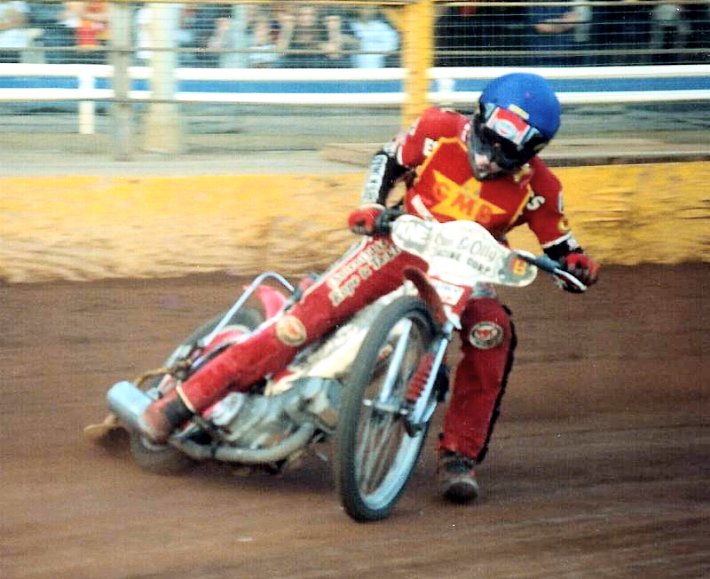
| Peter Collyer
2003 |
| |
 |
| |
|
| |
| |
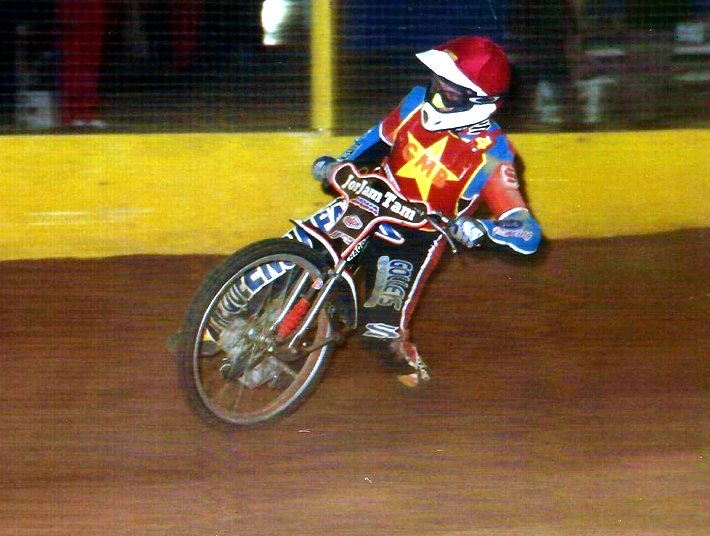
| Jason Prynne
2003 |
| |
 |
| |
| |
|
| |
| |
| The End Is Nigh! |
| |
|
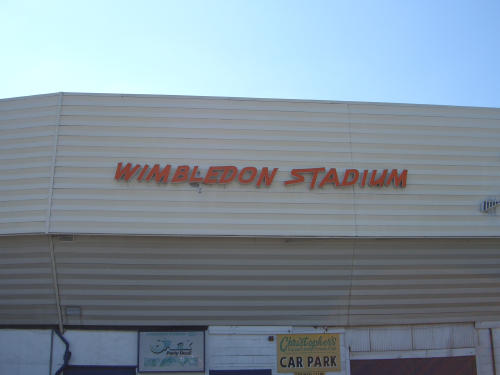
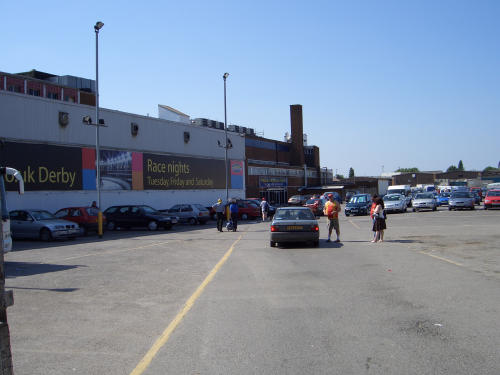
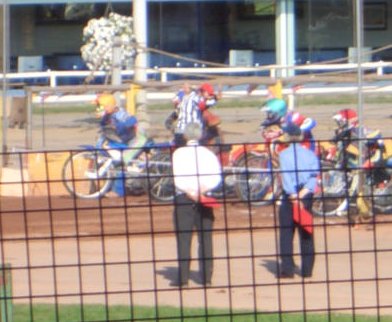
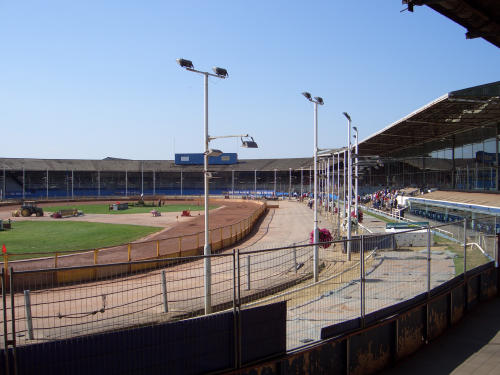
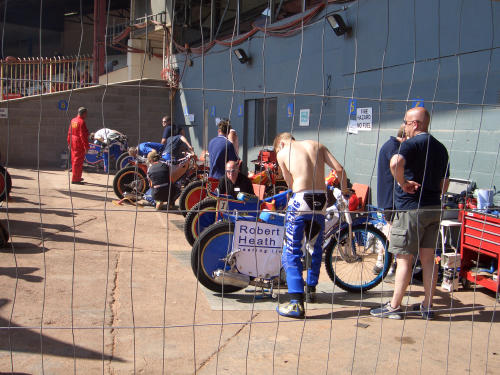
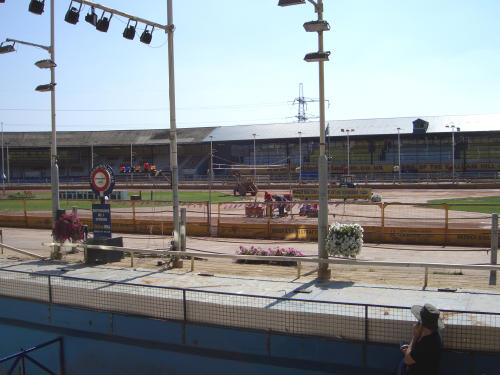
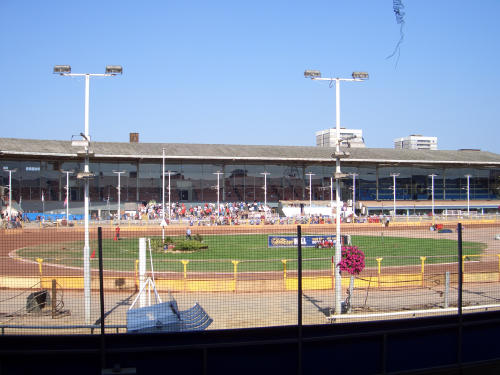
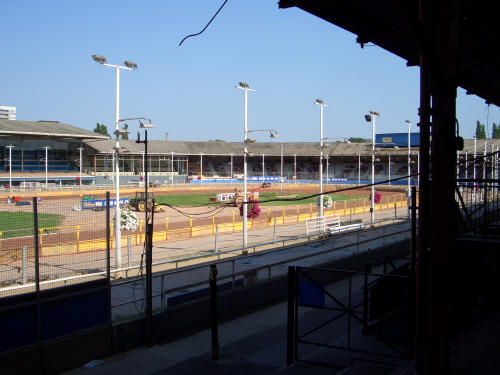
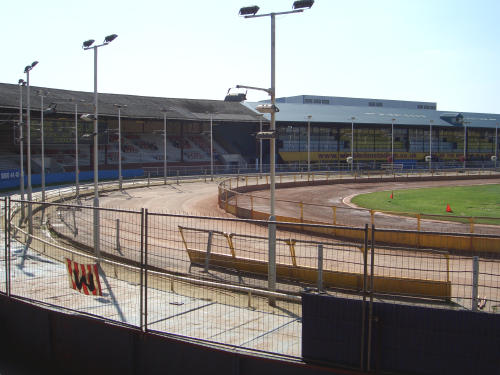
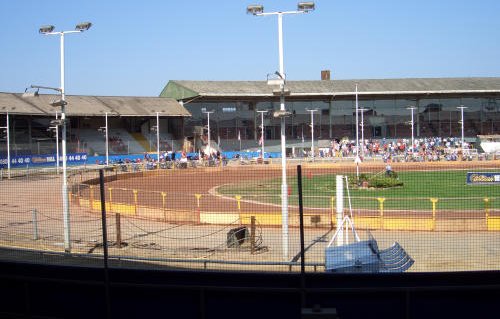
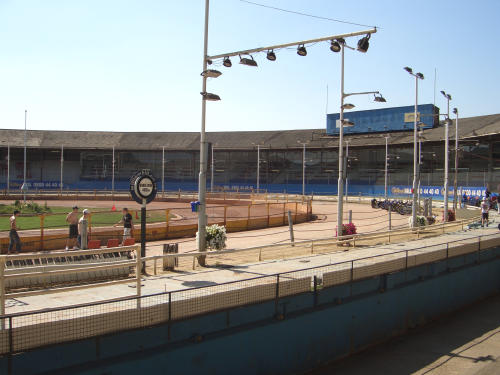
The
Last
Season (2005)
|
| |
| Mike Moseley's Photos |
| |
 |
| |
 |
| |
 |
| |
 |
| |
 |
| |
 |
| |
 |
| |
 |
| |
 |
| |
 |
| |
 |
| |
|
My thanks go to Mike Moseley for
sharing his photos of Plough Lane with us. |
| |
| |
|
| |
| |
| Memories |
| |
|
David Venn
says: Just browsing but what memories your website brings back.
I was a
Wimbledon supporter from 1946 to the late 50s early 60s and visited
quite a few of the tracks now listed as defunct – including the main
London venues and Rayleigh plus others which probably still function.
Many
rider’s names ring loud bells and I shall go in and out from time to
time. How sad that Plough Lane will soon be no more!
Many
thanks,
David Venn
|
| |
|
| |
| |
| The End |
| |
| This article, the first of 2 parts, was
published in the South London Press on Friday June 7 1991 to coincide
with the closure of Wimbledon Speedway |
| |
| WIMBLEDON SPEEDWAY: |
| PART ONE: |
| The
headlines read: Small crowds and huge losses mean that for
Wimbledon Speedway it is the END OF THE ROAR |
| |
|
Wimbledon
Stadium staged its final speedway meeting this
week (June 1991) - after a colourful history which
stretches back 63 years. In today’s South London Press John Hyam - who
went to his first speedway
meeting in 1946 - looks back at the magical
moments which helped make Wimbledon one of speedway’s
top clubs. |
| |
|
THE
lights dimmed on a south London sporting tradition this week when
Wimbledon staged its last
speedway race.
After 63
years - interrupted only
by World War Two between 1939 and 1945 - the tapes
have risen for the last time at Plough Lane. Wimbledon was the sport’s
oldest surviving speedway
stadium - although fittingly perhaps last Wednesday’s visitors
Belle Vue are speedway’s oldest club. Both clubs can trace
their origins back to 1928, when the sport which started in Australia,
spread to this country.
But although Belle Vue started a few months before Wimbledon, they moved
to a new stadium in
Manchester a couple of years ago. |
| |
|
During
the 1980s Wimbledon’s future was threatened on a handful of
occasions, but the sport survived at Plough Lane.
This time though there is no knight in shining armour poised to bring a
speedway salvation at the home of the Dons.
At
the end of
the
month, the club will start racing on either Fridays or Sundays at
Eastbourne –
a
track owned by 1960s Dons’ rider Bobby Dugard. |
| |
|
The
Dugards have had links with Wimbledon since 1946, when Bobby’s father
Charlie had a brief spell
in
Dons’ colours. Ironically, Charlie’s Wimbledon career ended when
he crashed with West Ham rider
George Bason. The accident left both men with broken legs and
happened only after they had been
involved in an exchange transfer deal. For a couple of days before being
sent home, they were in
adjoining beds at nearby St George’s Hospital.
In
the late 1970s, Bobby’s younger brother Eric had a
brief spell in Wimbledon colours - on loan from Eastbourne, which had
been bought freehold by Charlie
in
1947. |
| |
| Bobby
has given Dons a special low rent to continue operations at the Sussex
track and they will be known as ‘Wimbledon at
Eastbourne’ until the end of the season. The long term future of the
club
depends
on how things work out during the next few months. |
| |
|
Wimbledon’s current troubles are a long way from the many years of
speedway that has thrilled,
delighted and amazed followers of the sport. Some will say the rot
at Plough Lane set in when
spectacular young Swede Tommy Jansson was killed while competing in his
homeland in a mid-1970s
World Championship qualifying round. Tommy was a real personality who
drew the fans, and after his
death much of the magic and attendances went out of meetings
at Plough Lane There are others
who will
see speedway’s decline on the decision to switch from the high standard
British League, with its colourful international stars, to the
more domesticated National League in the mid-1980s. |
| |
|
On the
other hand, had the club not lowered its standards and dropped down
then, there may not have been a further
six seasons of racing at Plough Lane. |
| |
|
Tommy
Jansson’s death though was, in my opinion, the beginning of the end for
speedway at Wimbledon - even if it took some 15 more seasons for
the end to finally arrive. Tommy is not the only
Wimbledon rider to have been killed on the track. Back in 1937 Reg
Vigor,
who had been on loan to Wimbledon’s nursery track at Bristol, died in a
horrific smash. And in 1952,
Italian-American Ernie Roccio, a great crowd pleaser was killed
at West Ham.
Wimbledon have had links with American speedway riders since the
mid-1930s, when Miny Waln and
Byrd McKinney briefly raced for them in 1937. Then came the legendary
Wilbur Lamoreaux, one of
the
sport’s all-time greats. He was later joined by New Yorker Benny
Kaufmann - who could race as fast
as he could talk! Also another familiar figure around
Plough Lane in the late 1930s was the dapper little Texan
with the Spanish-sounding name Manuel Trujillo, who is still regarded as
one of speedway’s most spectacular ever riders. And, unlike his
fellow North Americans who pioneered the now conventional
foot-forward style, Trujillo leg-trailed more spectacularly than anyone
else.
When speedway restarted in 1946 after the war, riders were pooled and
Wimbledon were allocated
Oliver Hart, whose legtrailing broadsiding skill was enough to lift
one’s heart into the mouth.
Lloyd Goffe was another of the great, spectacular legtrailers who carved
a niche in Wimbledon colours in
the post-war seasons, before moving on for spells with Harringay and St
Austell. In 1947, Hart
moved on to Bradford in a three-way transfer that took Australian
Bill Longley back to his pre-war club New Cross and
their star Les Wotton to Wimbledon. |
| |
| Originally published in the South
London Press, on Tuesday June 11, 1991: |
| |
| ----------/---------- |
| |
|
WIMBLEDON FEATURE: |
|
By JOHN HYAM |
|
PART TWO: |
|
The headlines read:
"END OF THE ROAR" |
| |
|
John Hyam takes a final look back at the
personalities who have graced the Dons' track
In its 63 years at Wimbledon Stadium, speedway
produced many colourful personalities - some were big stars, others just
honest-to-goodness personalities.
One such personality was post-war Dons’ rider Phil
‘Tiger’ Hart, who was born in nearby Balham and went on to become a
millionaire. In 1926, aged 16, he emigrated to Australia, saw
speedway and took up the sport. He was with the first wave of
Australians to arrive in Britain in 1928, and when England versus
Australia tests started in the 1930s, Hart was selected for Australia -
until somebody pointed out that he was an Englishman. His spell at Plough Lane was brief, and he spent
most of the pre-war years racing for tracks in the Midlands. In 1948, Wimbledon paid Birmingham £1,000 for his
transfer, but tragically in his first race back at Plough Lane, Hart
crashed, broke his leg and retired from the sport.
Vic Duggan was an Australian who many claim was his
country’s greatest ever rider, although he never won the World
Championship. While his greatest triumphs were at another departed
London track, Harringay in the mid-1940s, he started his British career
with Wimbledon in the immediate pre-war seasons.
Ivan Mauger was another of the sport’s greats who
started at Wimbledon as a 16-year-old in 1956.
It was only six years later when Mauger returned to ride for Newcastle
that he started showing the form which was to make him one of speedway’s
great world champions.
Ronnie Moore was another New Zealander who won the
world championship. He came to England in 1950 with his father Les, also
a rider.
Les failed to impress in trials at Plough Lane, but Ronnie became the
club’s first world champion and one of Wimbledon’s best-loved stars.
While Les failed to get a Wimbledon place, he did form a unique team
partnership with Ronnie at Shelbourne, on the outskirts of Dublin, which
was Dons nursery track in the 1950s. It was from there that Wimbledon found an
outstanding Irish star in Dominic Perry - who quickly became known as
Don Perry. Shelbourne was also the training ground for another
young New Zealander, Barry Briggs in the 1950s. Like Moore and Mauger,
he also became one of speedway’s great world champions.
Another New Zealander who made a terrific impact on
the sport in this period was Geoff Mardon - fittingly described as an
‘uncrowned world champion.’
In pre-war years - from 1929 to 1939 - in what was
then the National League, Wimbledon made little impact on main events
and only won the title once.
But in the 1950s and 1960s came their greatest run with seven
championships over an eight season period.
Wimbledon’s move to Eastbourne in early 1991 has a
parallel to 1948, when their own track temporarily based a ‘foreign
team.’ It was the year of the Olympic Games, and for
six weeks Wembley raced their home matches at Plough Lane.
In the heady post-war years, London derbies
sustained speedway and Dons, who raced on Mondays, had regular away
matches at West Ham (Tuesday), New Cross (Wednesday), Wembley (Thursday)
and Harringay (Friday). The only ‘out of town’ matches were on Saturday,
either at Belle Vue (Manchester) or Bradford.
Americans have always been popular at Wimbledon. In
later pre-war years it was Wilbur Lamoreaux and Benny Kaufmann. In
post-war seasons there was Ernie Roccio, Brad Oxley, Gene Woods and
Bobby Ott. And pre-war came Canadians Goldie Restall and Crocky Rawding,
while their fellow countryman the formidable Jimmy Gibb was a Don in
1949 and 1951.
Mind you, there have also been great English riders
of world standard at Wimbledon. Post-war favourite Norman Parker for
instance who in 1939 had been at Harringay with his brother Jack.
The latter was the big post-war star at Belle Vue and his tussles with
Norman in the early post-war match race championship races were epic,
no-quarter given events.
Stylish Midlander Alex Statham, another pre-war Harringay star, the
Buckinghamshire farmer and publican Ron How who won his laurels in the
1950s, coupled with Dave Jessup, Bobby Andrews, Cyril Brine, Split
Waterman are other Englishmen accepted as top stars.
|
| |
| John Skinner says: My thanks to
John Hyam for the above memories of Wimbledon down the years. |
| |
| |
|
| |
| |
|
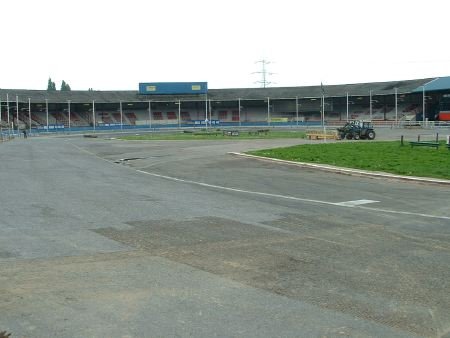
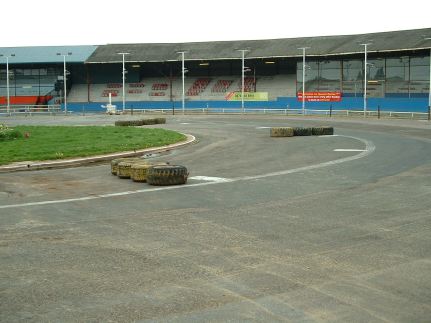
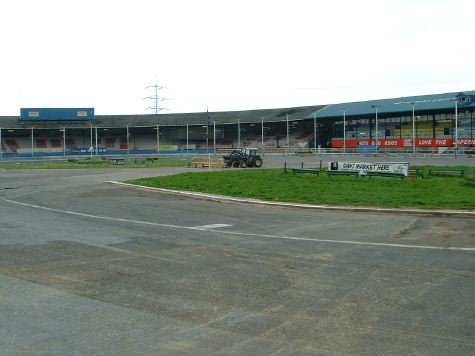
Wimbledon
2006
|
| |
|
The track was covered with tarmac and is used for
stock cars
|
| |
 |
|
|
Pictures courtesy of John Hyam
|
| |
 |
| |
| John says: What a shame! London has
had so many tracks like Wimbledon who have vanished from the UK speedway
leagues. |
| |
| |
| If you have any photos etc please
send me scans John |
| |
|
| The contents of the site are © and should not be
reproduced elsewhere for financial gain. The contributors to this site
gave the pictures and information on that understanding. If anyone has
any issue or objections to any items on the site please
e-mail
and I will amend or remove the item. Where possible credit
has been given to the owner of each item. |