|
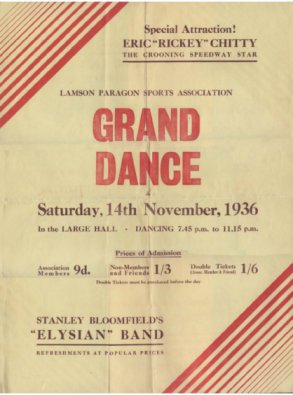
|
|
Alf Weedon
Eric Chitty
Mike Parker
|
| |
Reg Fearman In
New Zealand |
| |
|
Reg Fearman says: Newly married, my wife Joan
and I sailed for New Zealand in October 1954 with me having a contract
to race at Western Springs Auckland. I had a fairly successful
1954 / 1955 season at the Springs. We stayed the winter in
Auckland but had ideas of returning to England in March 1956. Come
the 1955 / 1956 season we decided to do a tour of the South Island which
we had been told was very beautiful and Glaciated. The North Island is
Volcanic. The Auckland Promoter arranged for me to have two
meetings at Aranui Speedway Christchurch. |
| |
 |
| |
|
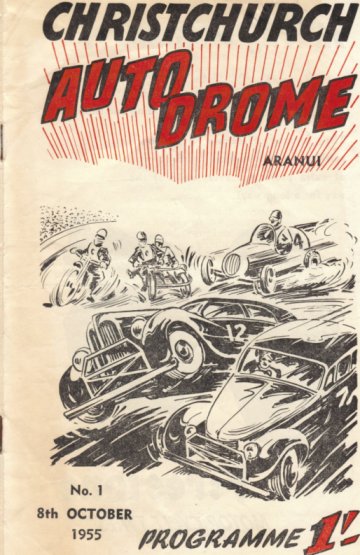
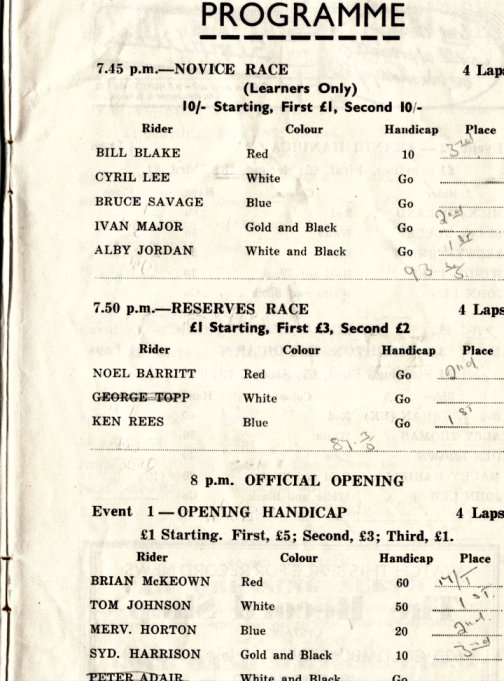
1955 Christchurch Programme, notice Ivan Mauger (mispelt
Major), in a novice race. |
|
|
 |
| |
|
The
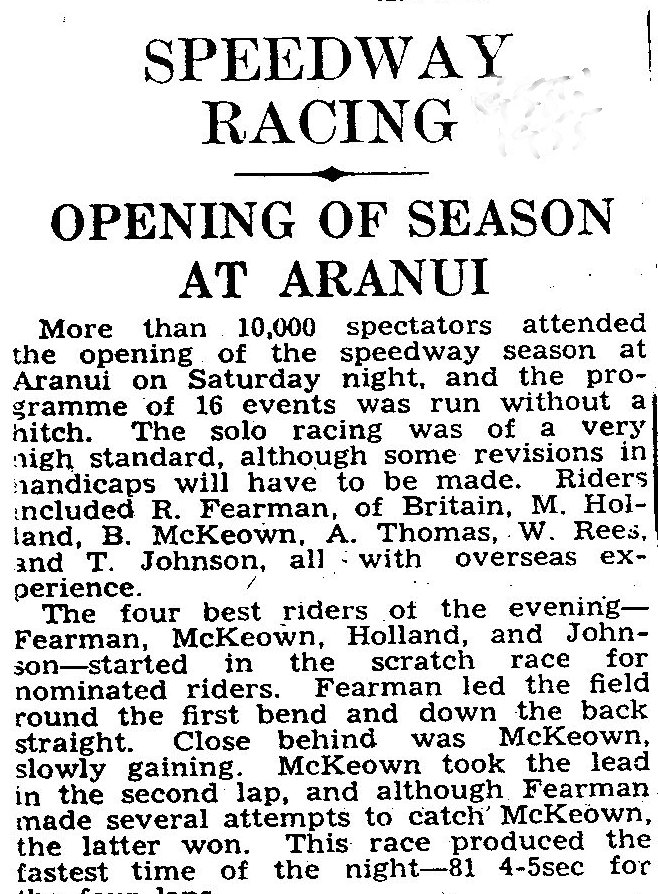
first meeting was on the 8th October 1955. Being English and as
they termed an "import" they gave me top billing. I had a very
good meeting winning a couple of races off the back mark in the handicap
events and narrowly lost the scratch race final to Brian McKeown - who
raced for Southampton in England. Brian was to race for me
some years later at Middlesbrough. |
| |
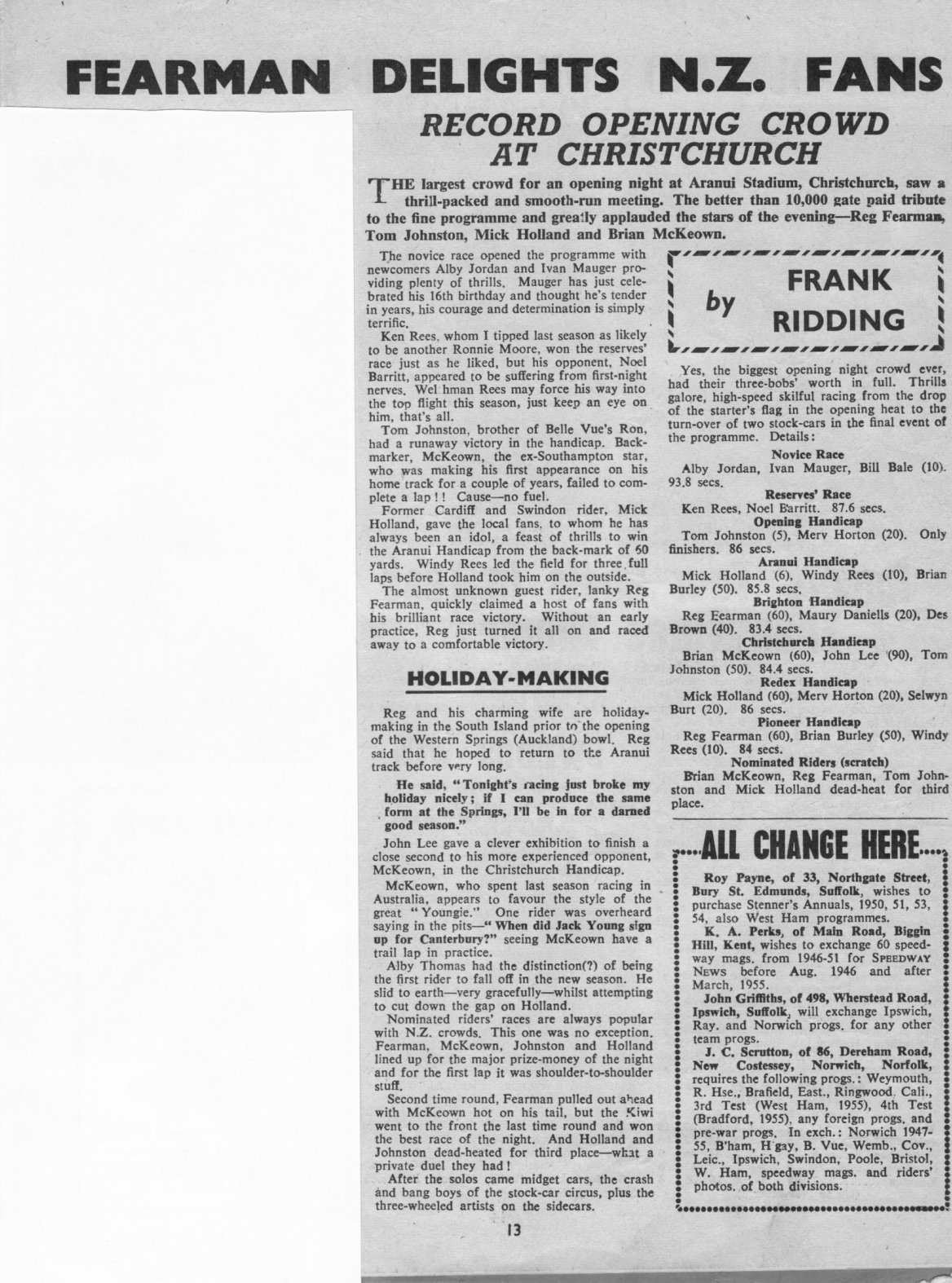
| At that very first meeting
of the season there was a 16 year old having his first speedway race in
public. It was the very first race on the programme and he must have
been quite nervous riding out of the pits in front of 10,000 speedway
fans. His name was Ivan Mauger but the programme compiler had
spelt his name wrongly as Major -- it was corrected the following week.
In that race billed as :- 7.45pm Novice Race (Learners Only) 10/-
Starting, First £1, Second 10/- the finishing order was Alby Jordan 1st
Ivan "Major" 2nd Bill Blake 3rd and Cyril Lee 4th. That was
the first of thousands of races that Ivan was to undertake. Ivan
has told me that he had the cheque from that first race for £1 framed
and is hanging on the wall at his Runaway Bay home on the Gold Coast of
Queensland. |
| |
 |
| |
|
|
|
|
|
|
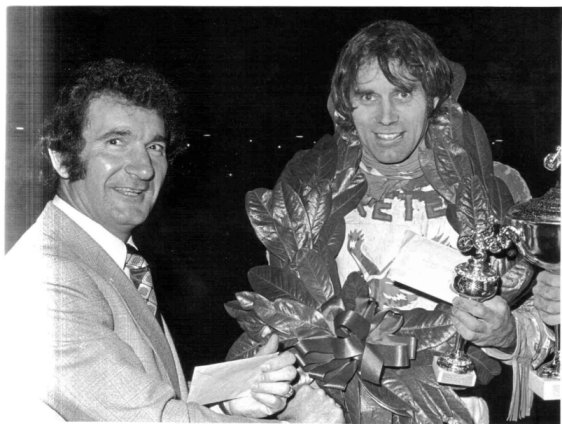
Reg & Ivan |
|
|
 |
|
|
|
Little did we know then the direction that Speedway Racing would take us
over the next 30 years. Ivan first to Newcastle in 1963 and later
his first of many World Titles, Individual, Pairs and Team.
Me becoming a multi Speedway Stadium promoter from that first step I
took in 1960 with Mike Parker -- and that's another story. |
| |
|
| |
| |
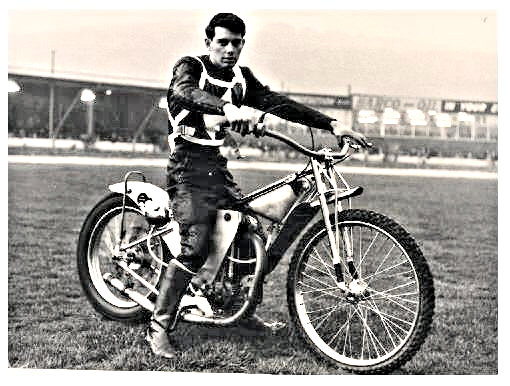
Ivan Mauger
Newcastle Diamond |
| |
|
| |
|
Ivan wearing the Newcastle Diamond with a Kiwi emblem on
his rear mudgard |
|
|
|
|
|
|
|
|
|
|
National Team Manager |
|
|
|
|
|
|
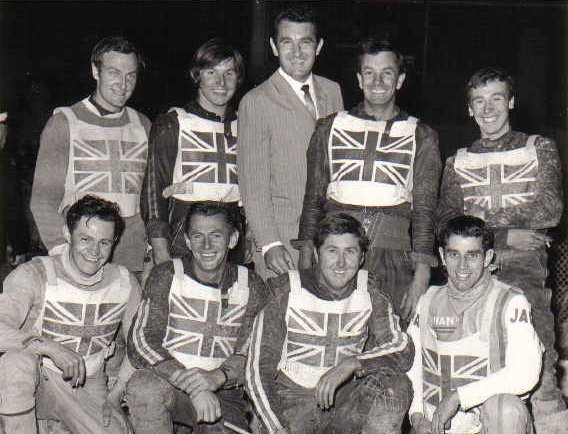
GB v Rest of the World at Reading 1972 |
|
|
An incredibly strong GB side: Rear; Eric Boocock,
Ray Wilson Reg Fearman (Manager), Reg Luckhurst Trevor Hedge. Front
Nigel Boocock, Ronnie Moore, Barry Briggs and Ivan Mauger. This
team should have been unbeatable. |
| |
| |
|
| |
| |
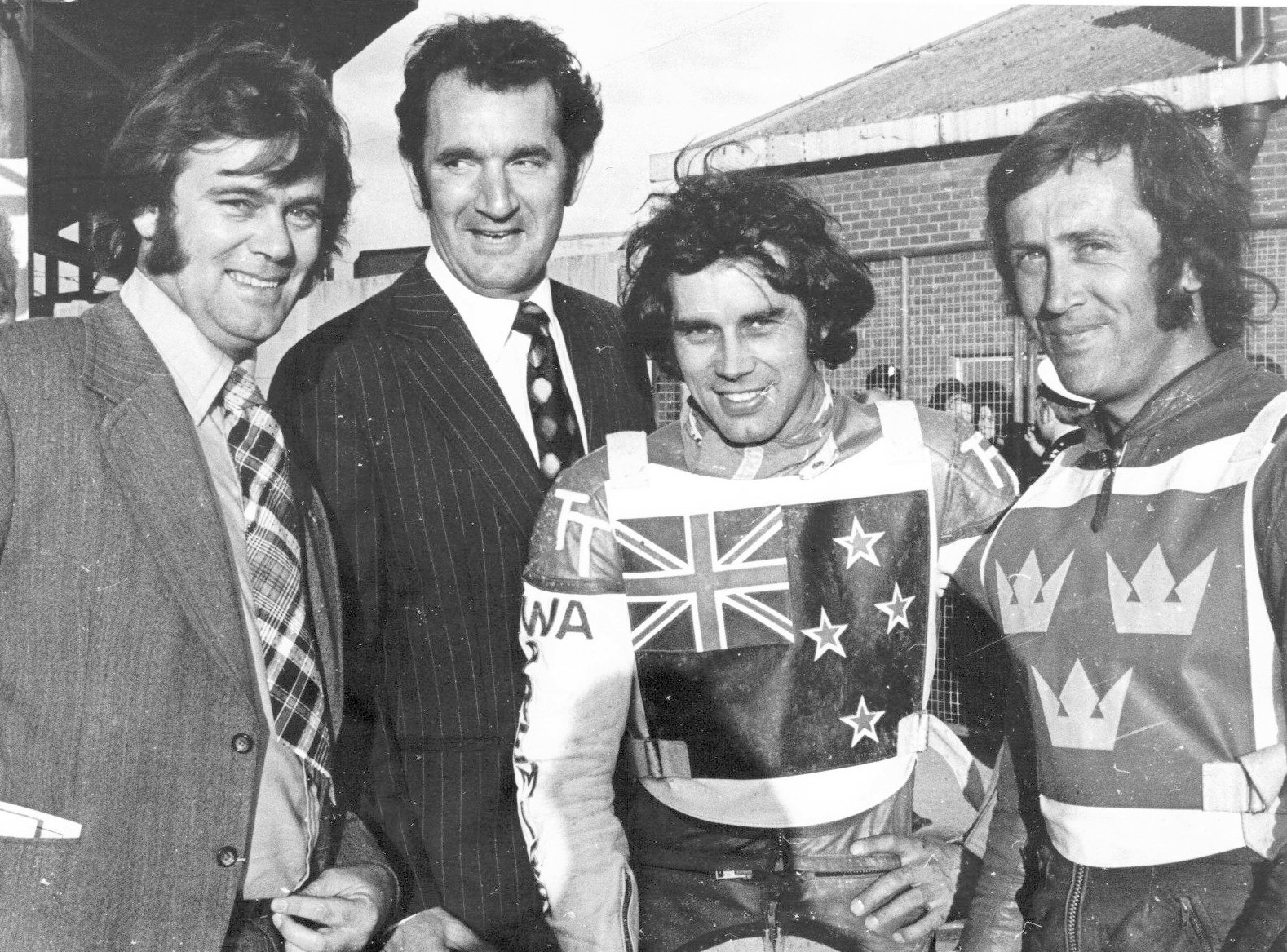
Con Migro,
Reg Fearman,
Ivan Mauger & Anders Michanek |
| |
|
| |
|
| |
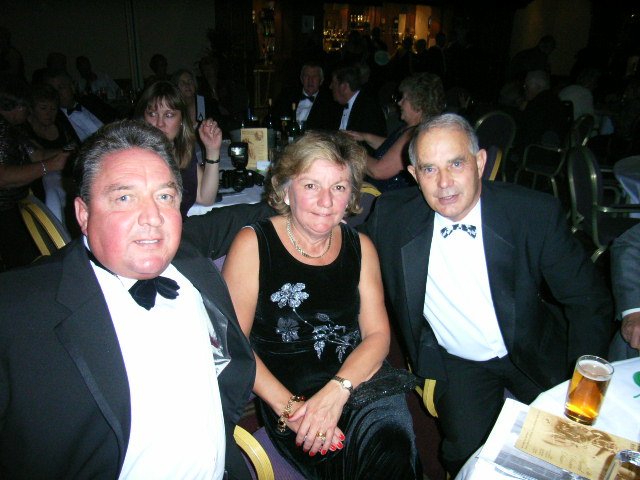
Bob, Sue & Ivan
At A VSRA Dinner In 2006 |
| |
 |
|
|
| |
| |
|
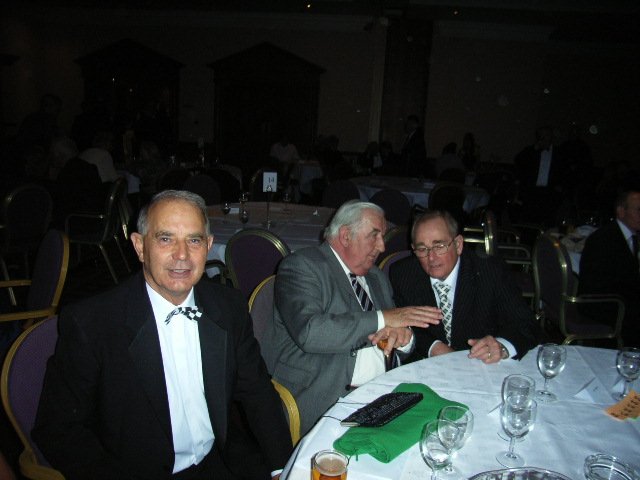
Ivan With My Friends Michael
& Cyril
At A
Veterans Dinner |
| |
 |
| |
|
|
|
|
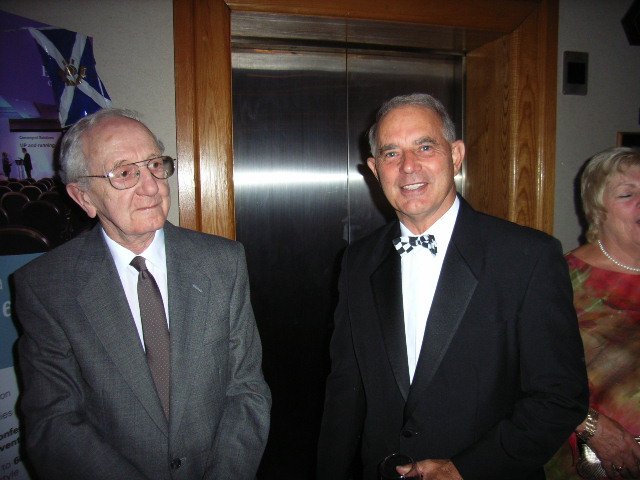
Ivan &
Guy Allott
|
|
|
 |
|
|
|
Ivan and Guy Allott who was Ivan's engine tuner at
one time and helped him to more than one World Title |
|
|
|
|
|
|
|
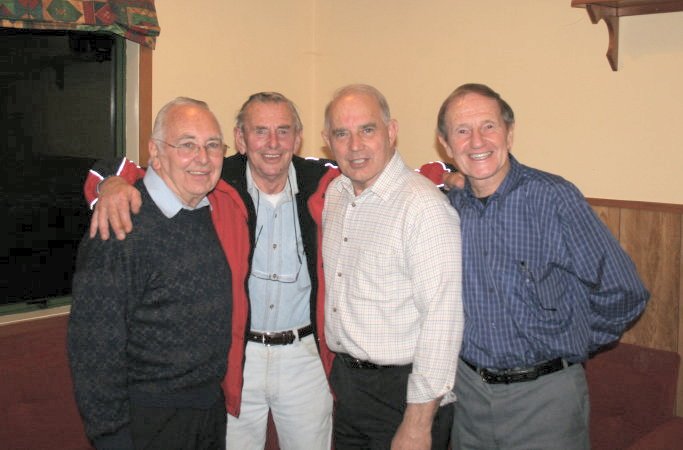
NZ Veterans Reunion
At Rotorua |
|
|
|
|
|
|
NZ vets reunion at Rotorua Tommy Sweetman
Ronnie Moore Ivan Mauger and Bob Andrews |
|
|
|
|
|
|
Ronnie Moore
& Ivan Mauger |
|
|
|
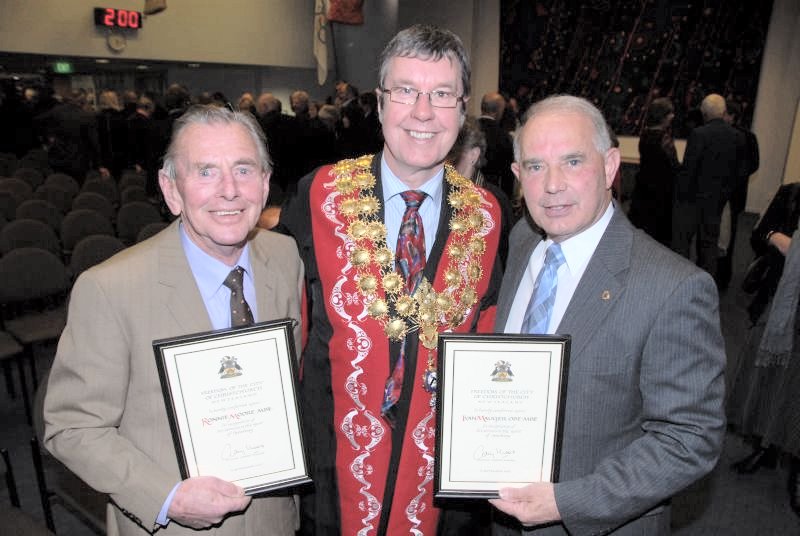
Receiving The Keys To The City
From The Mayor Of Christchurch |
|
|
 |
|
|
|
|
|
|
|
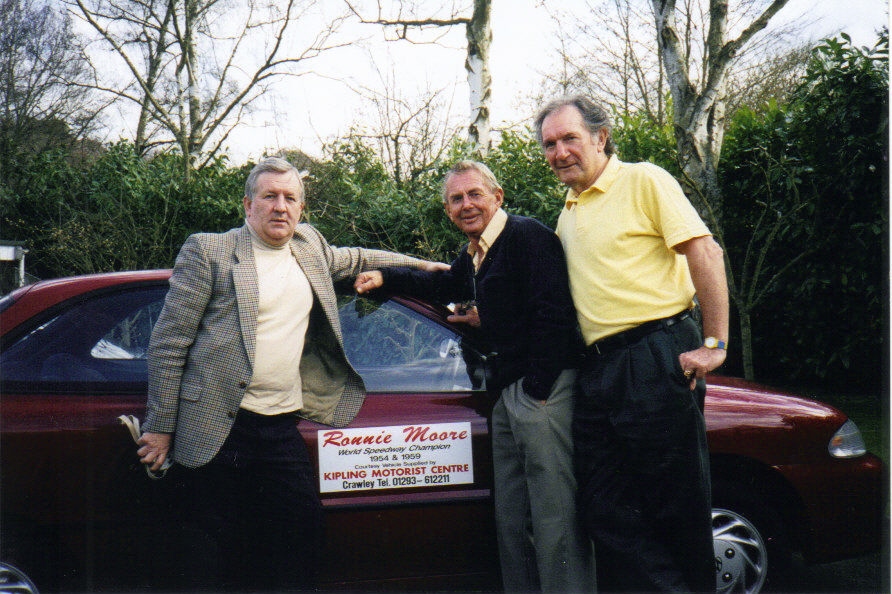
Pete Saunders Ronnie Moore
& Reg Fearman |
|
|
 |
|
|
|
| |
| |
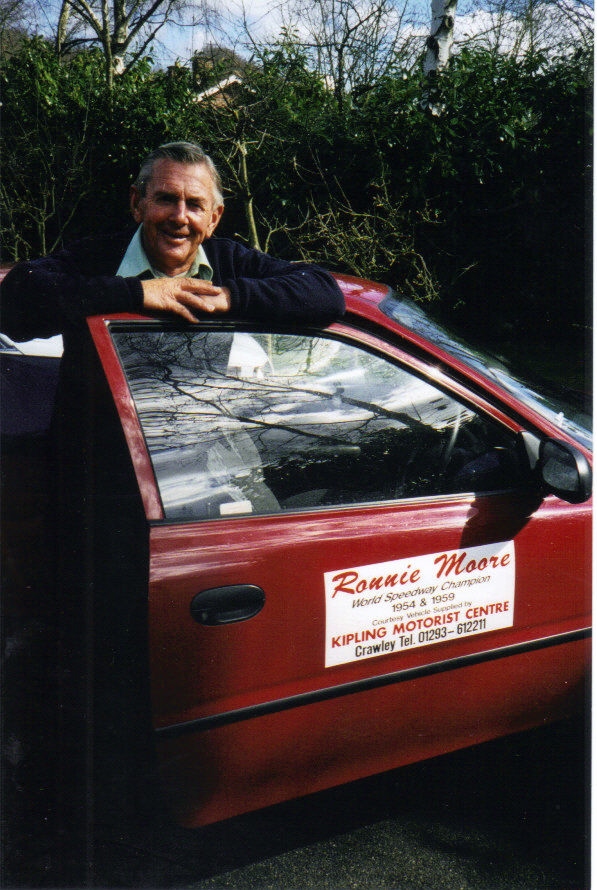
Ronnie
&
Sponsored Vehicle |
| |
Supplied By Pete Saunders |
| |
 |
| |
| |
|
| |
| |
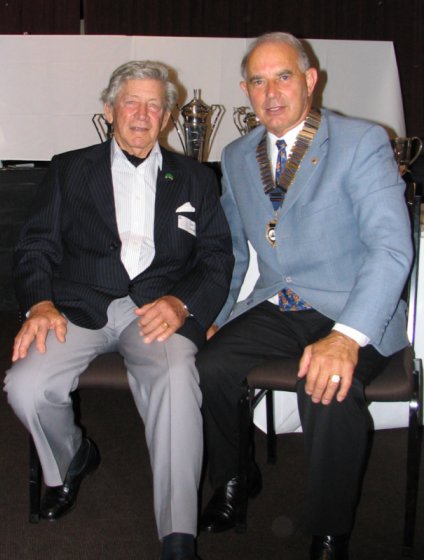
| Two Ex - Newcastle
Diamonds |
| |
| Don Lawson & Ivan Mauger |
| |
 |
| |
|
Ivan Ex Newcastle Diamond 1963-1968 handing over the reins
of the Aussie Veterans association to Ex 1949 Newcastle Magpie Don Lawson |
| |
|
|
| |
| |
New
Zealand's
South Island |
| |
|
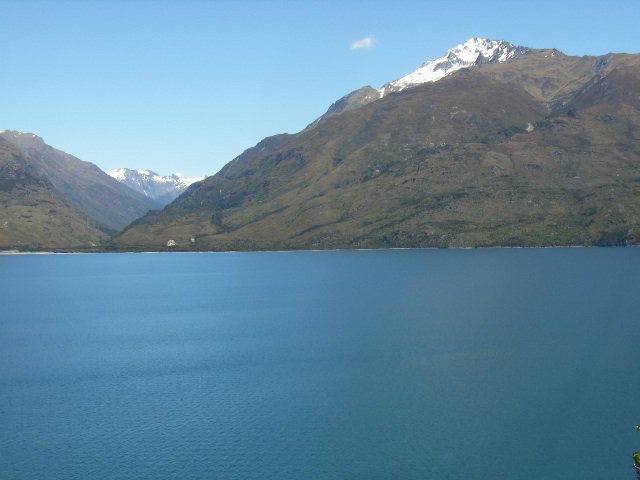
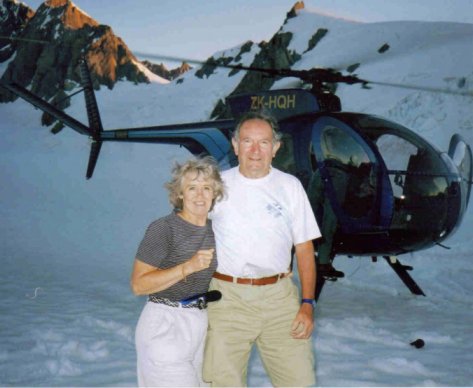
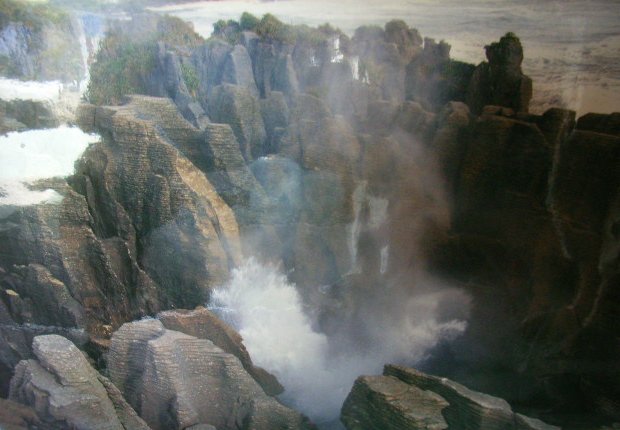
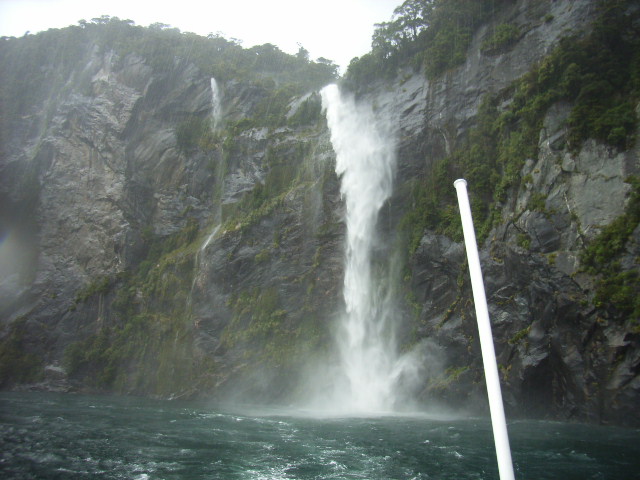
Reg says: I said the South Island is
beautiful and a couple of years ago my wife Eileen and I did a
tour. Here are a few photos showing just how beautiful it is. |
|
|
|
Lake Wanaka |
|
|
|
|
|
|
|
Fox Glacier & Blowhole 2
At Pancake Rocks |
|
|
 |
|
|
|
|
Milford Sound
|
|
|
|
|
|
| |
|
| |
| |
| Alf Weedon |
 |
| |
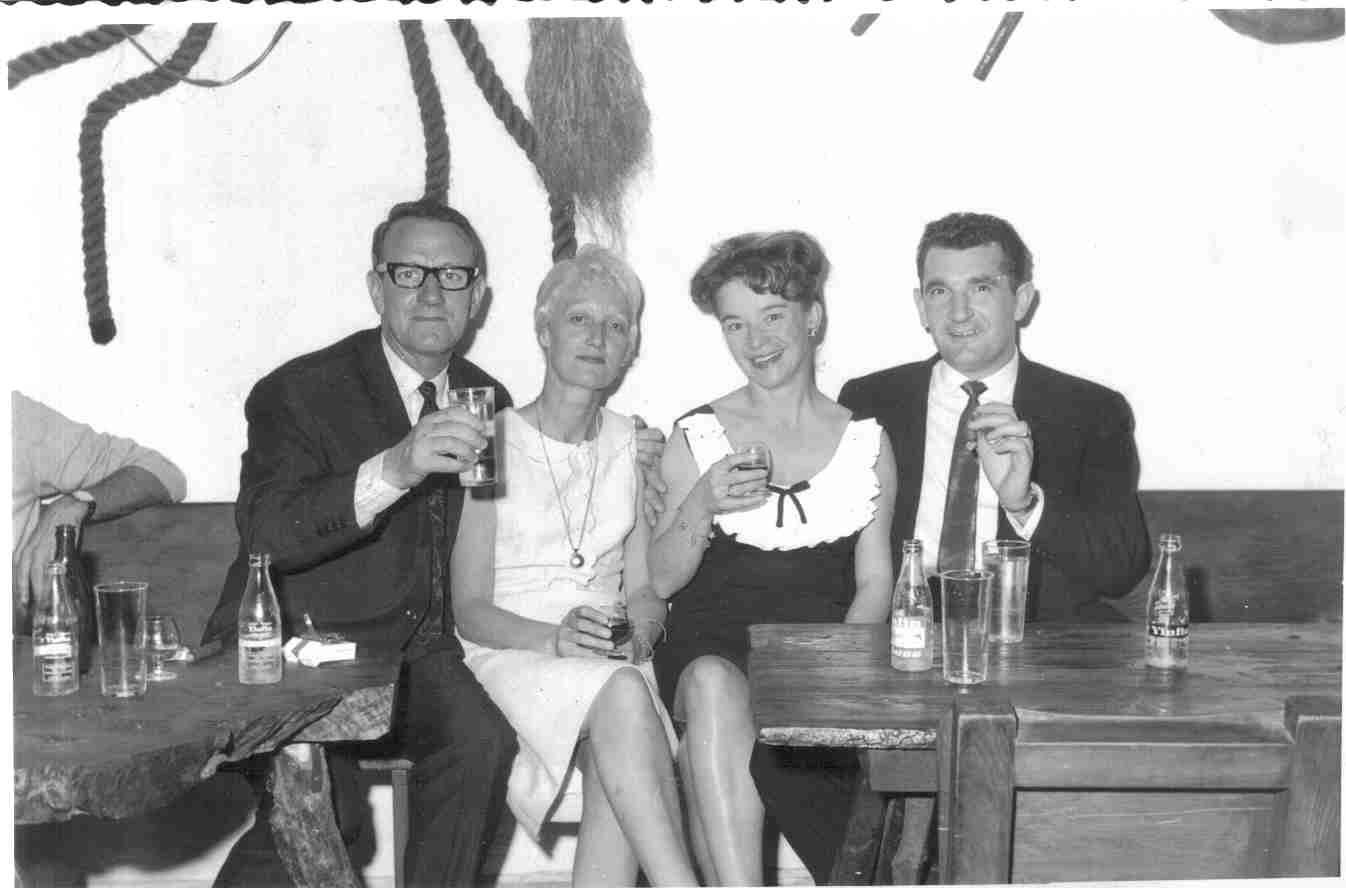
Alf and Dot Weedon with the
Fearmans in Majorca 1965
|
| |
| |
Alf Weedon Photographer
(Est:
1947) |
| |
|
Alf Weedon is probably as well known world
wide as most speedway riders. Over a period of 60 years he has snapped
them all. Alf is still a regular at Lakeside (formerly Arena
Essex) and is now 88 years old. He was born in the East End of
London and during the War was bombed out. He and the
family were rehoused in a prefab which was, for so many years, open
house to all speedway riders passing through London.
Sometime later, he moved to Essex. |
| |
|
Alf has been the main photographer for The
Broad Sider, Speedway News, Speedway Gazette, Speedway Star and his own
publication Speedway Mail. Today of course there is only one
weekly publication. Alf is now restricted to lesser duties than
taking photos due to a knee transplant that went wrong - he has a stiff
knee and leg, otherwise to be sure he would still be in the pits and on
the centre green taking the best of photographs.
|
| |
|
|
|
|
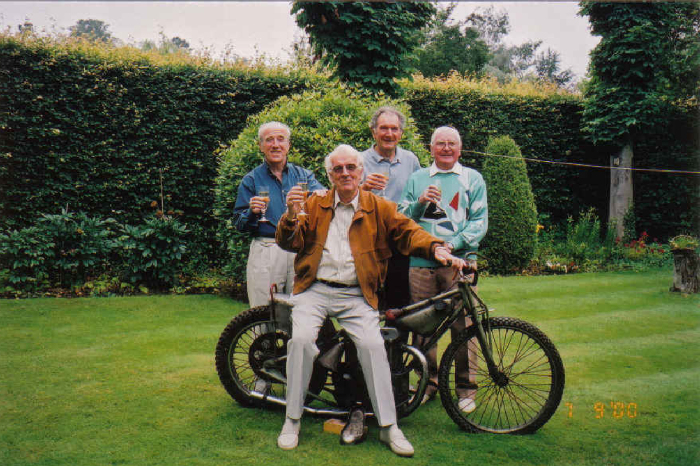
Toasting Alf. Merv, Alf, Reg and Wally |
|
|
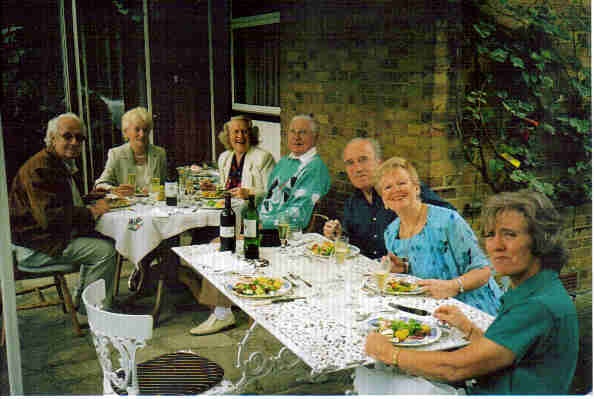
Alf, Lynn, Hazel, Wally, Merv, Sheila and
Eileen. |
|
|
|
Having known Alf since 1948 and knowing his
80th birthday was approaching in June of 2000, Eileen and I decided to
put on a small celebration lunch at my home in Henley on Thames
for Alf and Lynn. Wally and Hazel Green came along and Merv and
Sheila Hannam -- they had known Alf as long as I had. Wally
raced at Hastings and West Ham and finished second in the World at
Wembley in 1950 behind Freddie Williams and in front of Graham Warren
who was third. Merv raced at Southampton and Wembley. |
|
|
 |
|
|
|
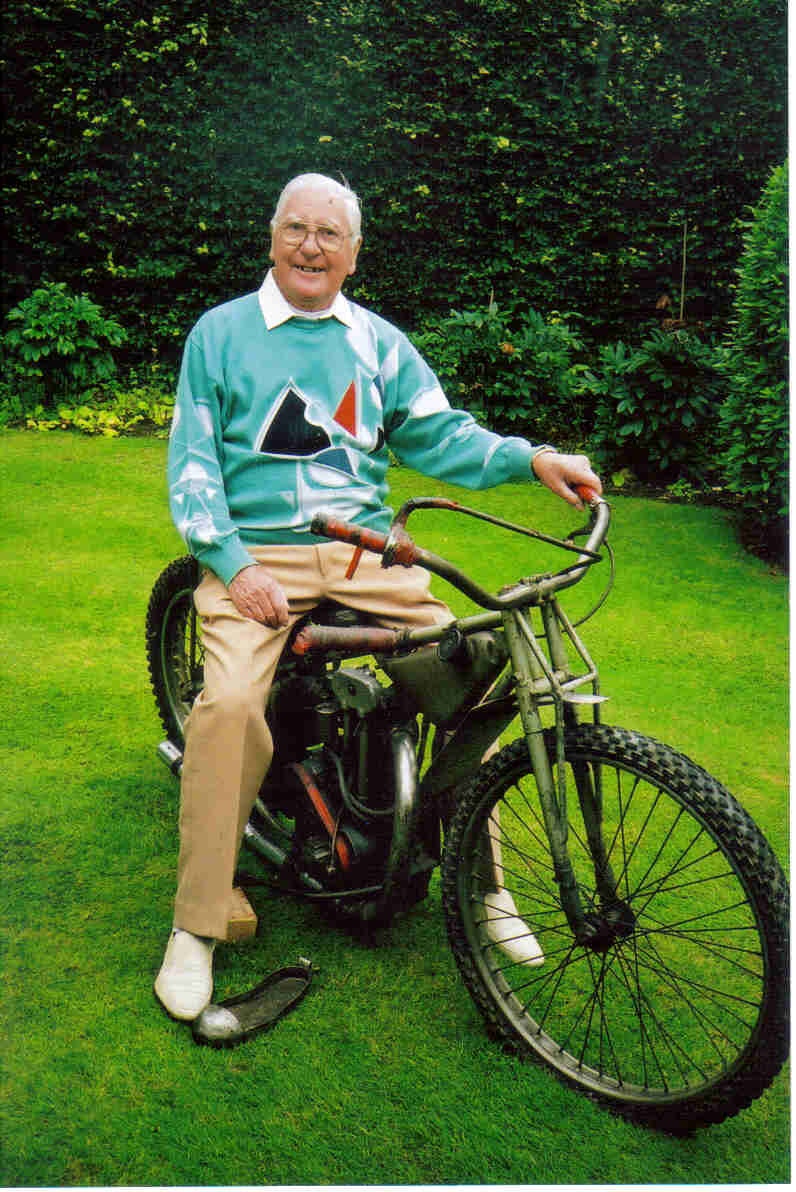
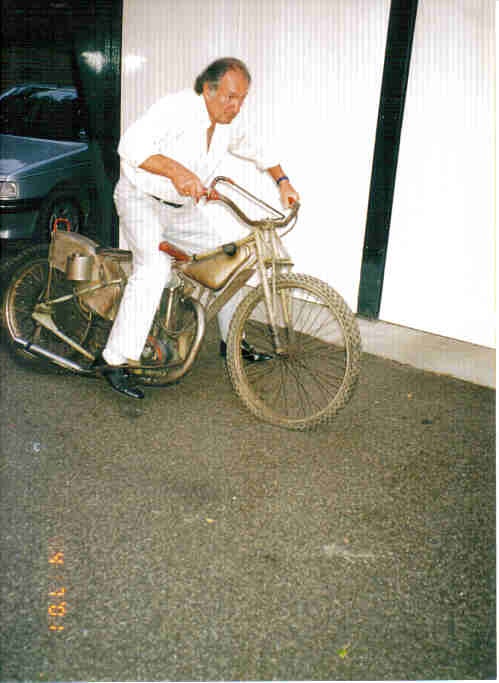
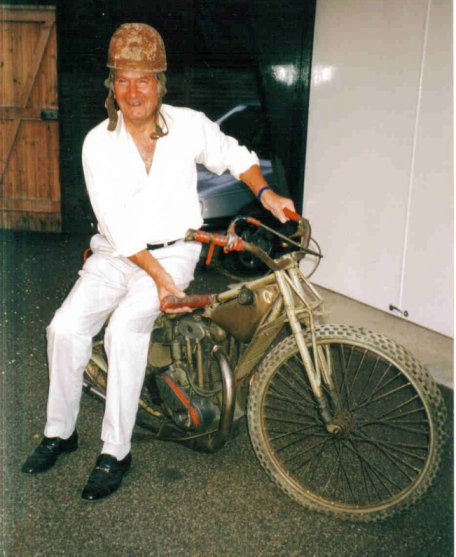
above left: Wally Green and above right Reg
Fearman demonstrating how it was done on a JAP! |
|
|
|
| |
 |
|
|
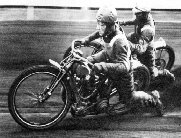
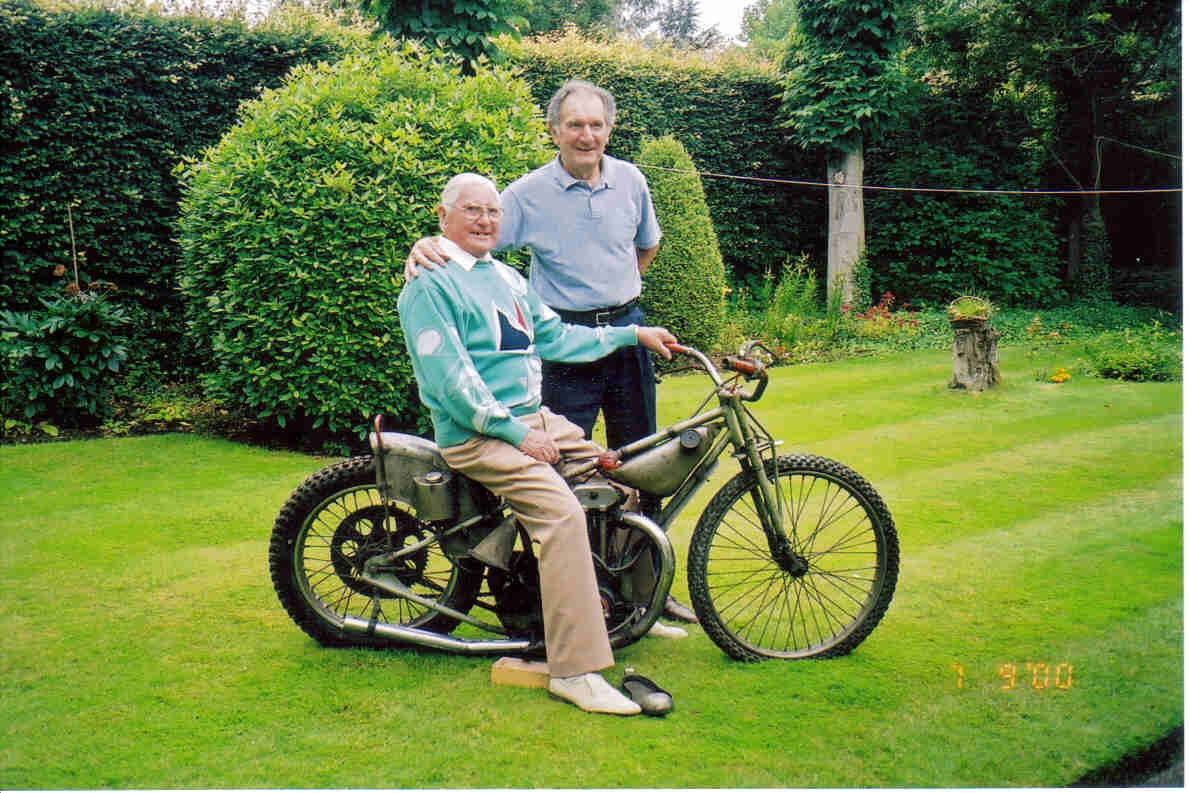
Reg says: The speedway machine in the above photographs is
of interest. It is a 500cc 4 stud J.A.P. engine as
used by all speedway riders in the 1940s, 50s and most of the 60s.
The frame is a Martin Mitchell, designed and made by Australian Clem Mitchell
based in Edinburgh in the late '40 and 1950s. It was ridden by
Australian, Jack Young of Edinburgh Speedway to his two World Titles in
1951 and 1952. After that success Clem sold the copyright to
Victor Martin and Co; of Tottenham, London, who at that time could not
could not keep up with the riders' demands. Nearly every
rider wanted a copy of Jack Young's frame. Victor
Martin also supplied engines, spares and a tuning service. This
particular speedway machine -- I don't call them bikes or motor cycles
as they are manufactured as a special machine for speedway racing only.
This one was owned by Alan Smith who raced at Rayleigh, Exeter and West
Ham. I had often admired this machine in Alan's Garage, just as he
had got off it from his last race, and often asked him to sell it to me.
The reply was always the same " I like to start it up now and again to
smell the Castrol "R" oil being burned with the Methanol ". When he died
his widow Audrey, offered it to me and I was pleased to purchase it.
Unfortunately, the machine along with a lot of other of my memorabilia
had to be disposed of when I moved to the South of France. I sold the
machine to Peter Saunders - a former Oxford, Crewe and Peterborough
rider - who has placed it in the Speedway Museum at Paradise Wildlife
Park, near Rye House Speedway, Hertfordshire.
|
You may have noticed the knee hook on this old bike? Knee hooks
were attachments used in the 1930s and in the late 1940s to stop the
rider moving forward up the machine, as most of them were leg
trailers. It all ended when Vic Duggan burst upon the scene with his
very different lightweight machine, minus the knee hook. Leg
trailing was out and foot forward was the fast style and one was
required to move forward up the machine to break traction and to
allow the rear wheel to slide out. After the war the tyres gave much
more grip, track surfaces also changed. So here we have a knee
hook on Alan's machine which was very unusual.
Reg Fearman
October 2008
|
| |
|
| |
| |
| Eric Chitty |
| |
 |
| |
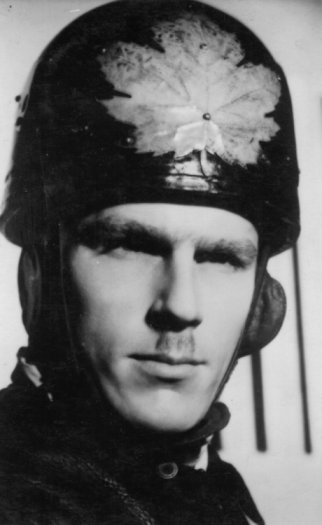
Eric with his maple leaf helmet
|
| |
|
| |
| |
| Eric on Crutches |
| |
|
After Breaking His Leg
In Australia |
| |
 |
| |
|
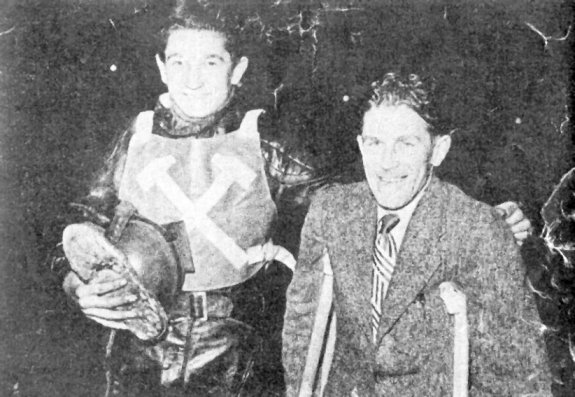
Eric Chitty the West
Ham Captain presented me with my racing licence on my 16th
birthday on 26 April 1949 in front of 40,000 West Ham Speedway
fans - what a thrill.
Eric had returned in March from Australia
on crutches,. He had suffered a badly broken leg at the Brisbane
Exhibition Ground just before he was due to leave for England. |
|
|
|
|
|
|
|
Eric & Jeannie With
Baby Carol Ann |
|
|
 |
|
|
|
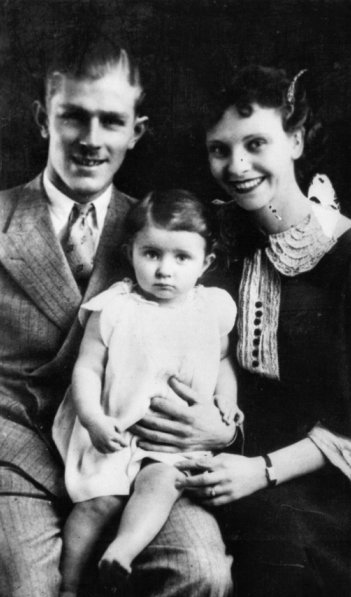
He
was born In Toronto, Canada and raced in several different types of
motorcycle disciplines before coming to race at West Ham in 1935. He
made his base in the London area with his wife Jeannie (Eugenie),
daughter Carol Ann and son Raymond - who was born in London. I knew
the family from 1948 onwards. Carol Ann died prematurely in 1983 at
the age of 48, Jeannie in 1999 at 87. |
|
|
|
Eric was forced to retire from racing in
1952 after he fell from his horse in Epping Forest and again badly
broke his leg. During his career he fractured some 44 bones. At
the beginning of the war the family went to Canada (as did so many
British Evacuees for the duration of the War). Eric stayed in England
doing War work. Towards the end of the War he joined ENSA (
Entertainments National Service Association - formed in 1939 ) and
entertained the troops in BAOR ( British Army Of the Rhine) During
the War he managed to race at Belle Vue - like so many others - and
won many "Unofficial" Titles. The family returned to London in 1947. |
|
|
|
As happens in life sometimes you lose
contact with people and the Chitty's and I lost contact until March
2005.
It was then that Raymond was looking via
the West Ham web site for information about his father's racing career
-- he and Eric had become estranged and Ray was looking for some
photographs. We were put in touch and the reminiscing has been
joyful ever since.
|
|
|
|
Ray left England for Canada in 1957 to
join the Royal Canadian Airforce, in which he made his career,
retiring in 1985 |
|
|
|
|
|
| |
|
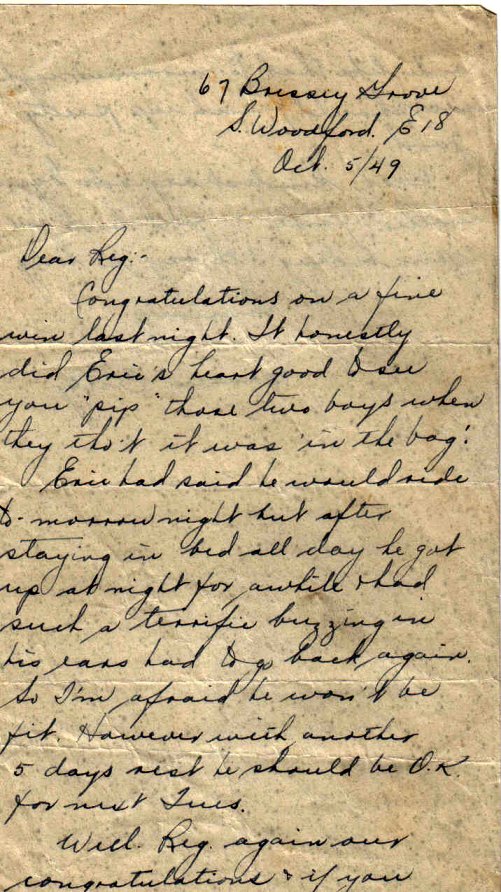
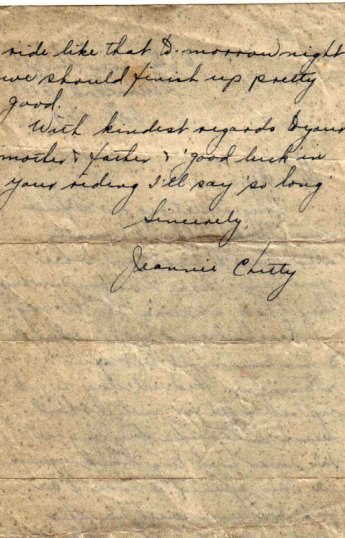
1949: Jeannie's letter to Reg |
| |
  |
| |
|
| |
| |
|
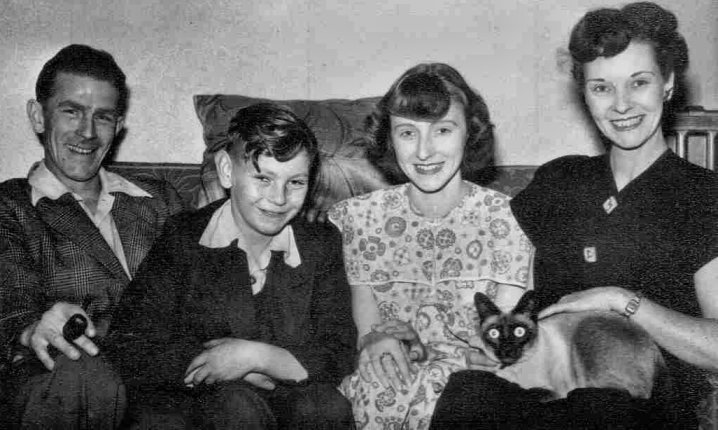
1950 Eric Chitty, Ray, Carol Ann & Jeannie
|
| |
|
With a Rather Surprised Looking Cat! |
| |
|
| |
|
Coincidence and life are strange.
Eileen and I had already booked a holiday in Canada which started in
Toronto in May 2005, which is before the contact between myself and
Ray. To cut a long story short we arranged to meet up at our
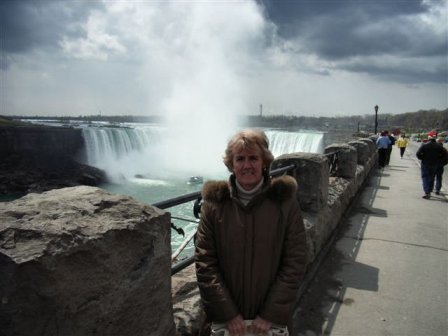
hotel. We had a marvellous three days with Ray and his wife Traudl
showing us the sights of Toronto including Niagara Falls. |
|
|
|
| |
|
Eileen Fearman at Niagara Falls. |
| |
 |
| |
|
When we
returned to the UK I telephoned an old pal, Cyril Hill, from
school days who also went to West Ham speedway in the 1946, 7, 8,
9 era. I told him that I had met up with Ray Chitty in
Toronto. He couldn't believe the coincidence as just a couple of
days before he was clearing his attic and found a record made by
Eric just after the War - a 78 rpm. |
| |
|
Eric Chitty made two singing records and had a ready made market with
West Ham's 40 thousand fans. Sometimes Eric would sing to the
fans during the speedway interval. In the late 1930s Eric would
supplement his racing income by singing in London clubs - he was
quite a crooner. |
| |
|
My pal Cyril had several CD's made from
the record and I sent a couple to Ray who was emotionally surprised at
hearing his fathers voice again after such a long time. The songs
were " Was it Rain That Fell Or Was It Tears" and "Moon at Sea". We
have a copy and it is compulsory listening along with the story for
anyone visiting our home for the first time. |
| |
 |
|
|
|
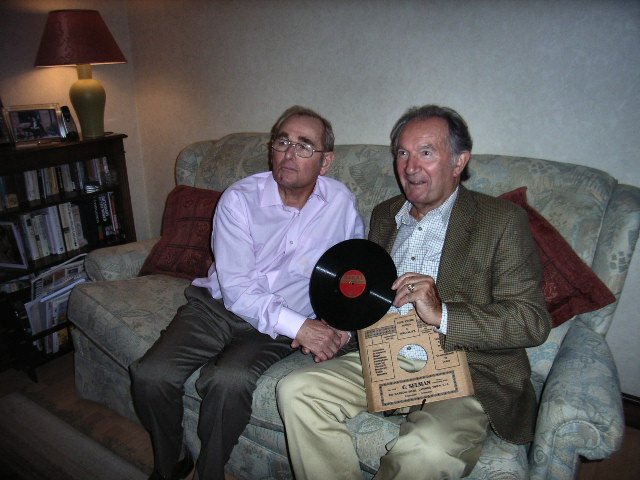
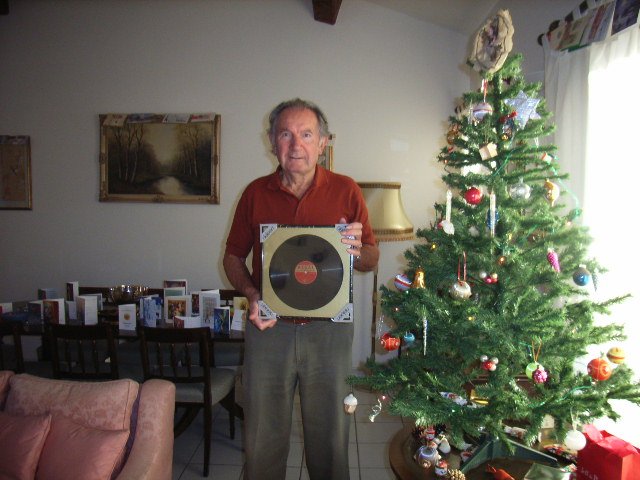
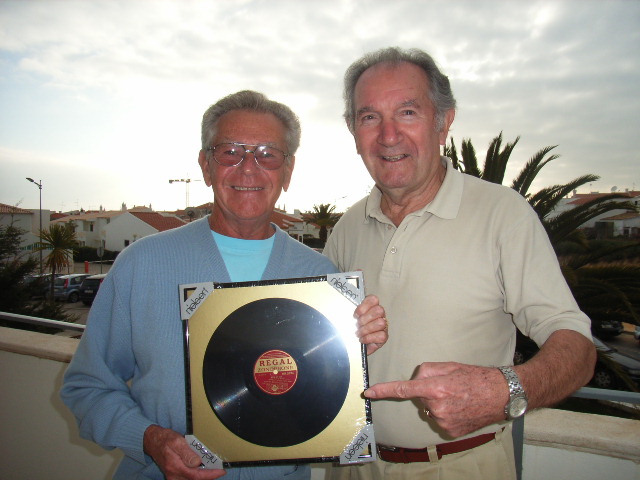
Cyril gave me the record and Eileen and I
had it framed in gold. Ray and Traudl spend 3 months of the year in
Portugal, escaping the worst of Canada's weather . The next plan was
for Eileen and me to drive to the Algarve and present the record to
Ray as a surprise - which we did in February 2006. |
|
|
|
|
|
Eric's Son Ray Chitty & Reg
With Eric Chitty's 78rpm
Record |
|
|
 |
|
|
 |
|
|
|
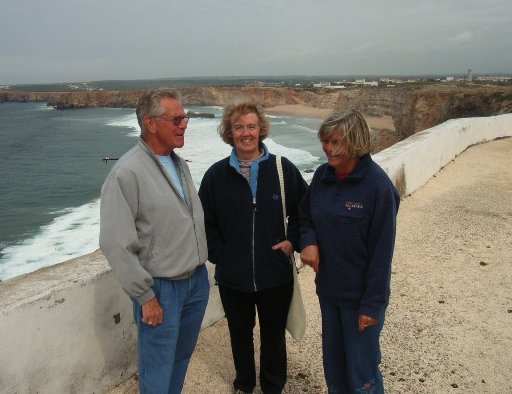
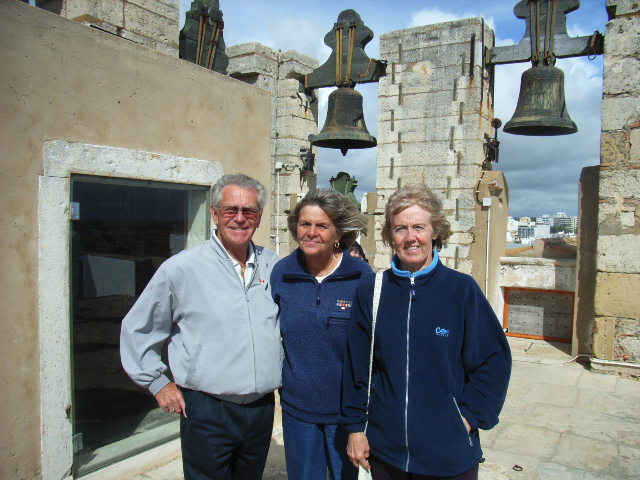
Ray & Traudl Chitty in Portugal with Eileen
Fearman.
The photographs tell the story. |
|
|
|
Reg Fearman
October 2008
|
|
|
|
Reg's Photos Of Eric
|
| |
 |
| |
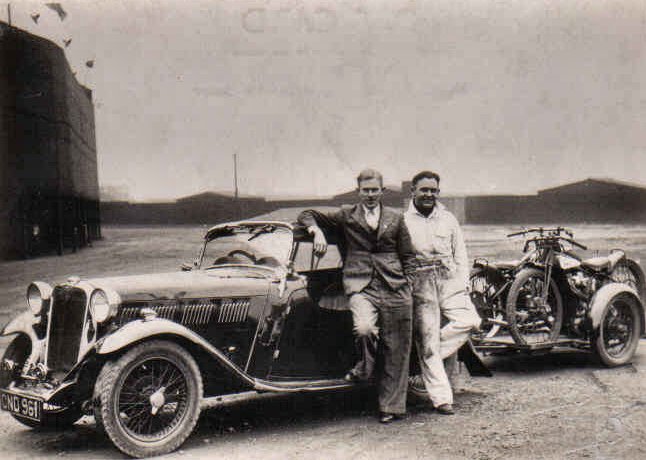
Eric Chitty & Mechanic at West Ham in 1930's
|
| |
|
|
|
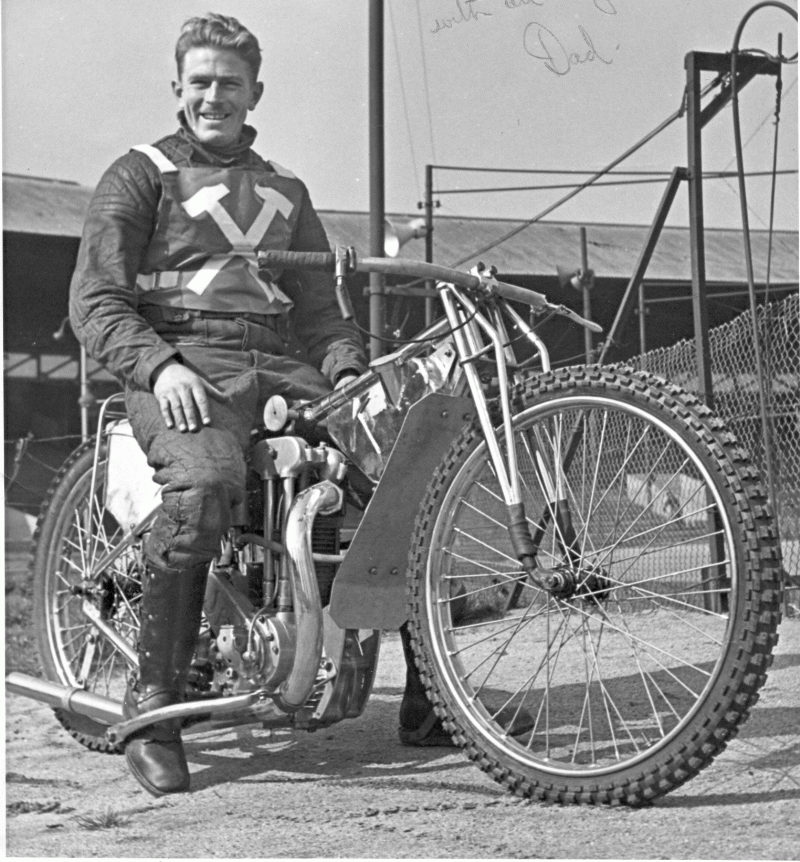
| Eric mounted on a beautiful late 1940's example of a
JAP. note the footrest, designed to avoid catching on chain link safety
fences and the mounting flange for a knee hook. |
| |
|
| |
|
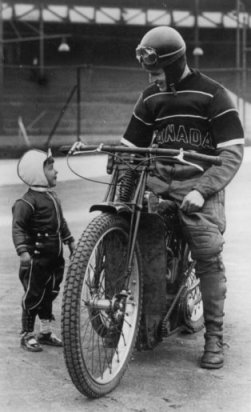
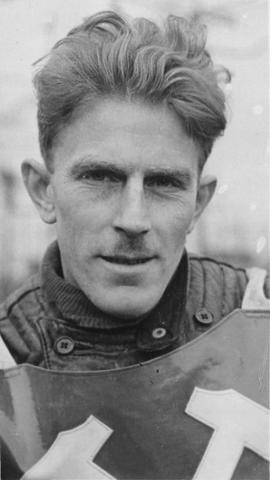
Eric in Canada's colours with his Daughter Carol
Ann and right: Eric in West Ham colours in 1949 |
| |
| |
|
| |
|
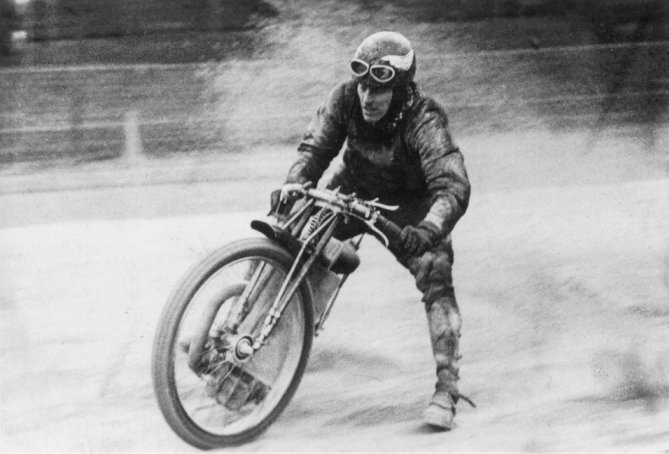
Eric Chitty at West Ham, note the silver sand
track top dressing.
|
|
|
|
|
|
| |
|
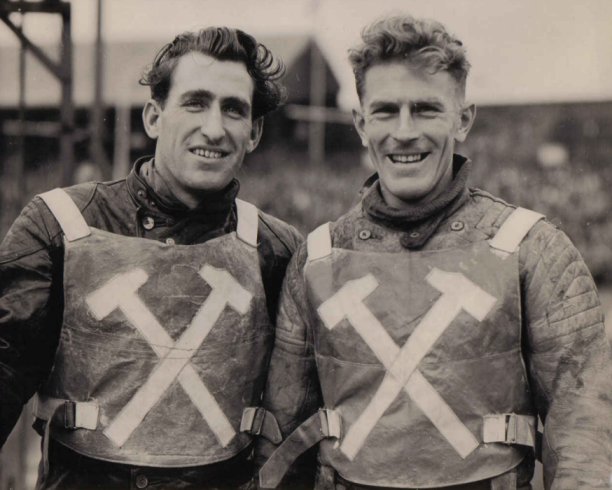
Howdy Byford and Eric Chitty |
| |
| |
|
|
|
 |
|
|
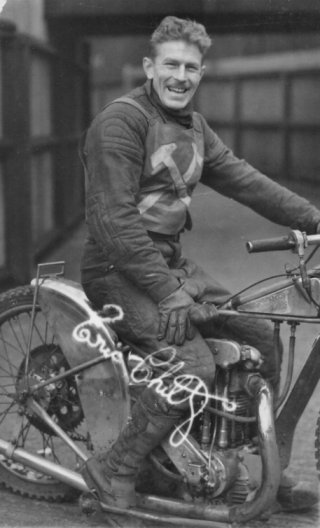
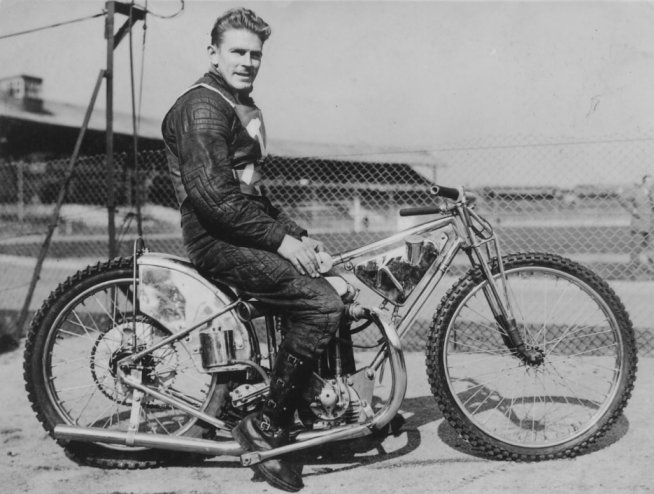
| John says: Two photos of the right hand side of Eric's
machine show a bar from the bottom of the frame to the outer edge
of the footrest. Many tracks had chain link mesh safety
fences and some injuries had happened as a result of the right
hand side footrest becoming caught in fences. Eric's bike
would appear to have been modified to save him from this
particular accident type. |
| |
| |
|
| |
| |
|
Mike Parker
|
|
|
1925 - 1987
|
|
|
 |
|
|
|
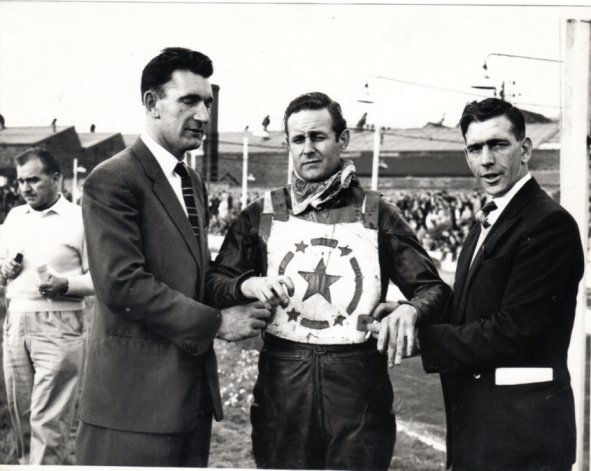
John says: This is 1961 and
pictured are Reg Fearman Eric
Hockaday and Mike Parker. I am not sure what was going on but
the 2 co promoters appear to be sneaking Eric into a Stoke race jacket
against his wishes! |
| |
| |
|
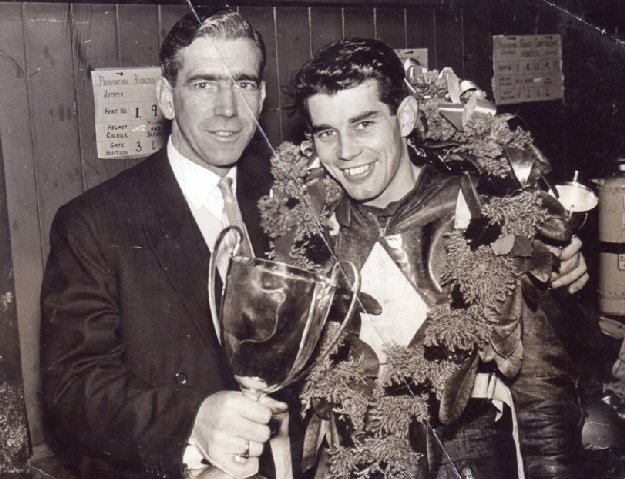
Mike Parker With
Newcastle Number1 Ivan Mauger
|
| |
 |
| |
|
Reg says: It was through Dave Anderson
(the Captain of Hanley Speedway (Stoke) in the late 1940’s), who
popped into my garage in October 1959 asking if I was interested
in racing again at Stoke as Mike Parker was negotiating to run
speedway there, that I met Parker in the winter of 1959/60 at his
office and flat which was above his hardware store in Moss Side,
Manchester, an extremely run-down area which some years ago was
completely demolished. I told him of my background in
speedway and of my racing career at Stoke in particular so we came
to a deal to promote on a 50/50 basis. |
| |
|
I then
installed at Stoke all the necessary equipment to stage speedway
racing including the floodlights. I didn’t know at the time that he
was on the way to becoming the Rachman of the North. You
could buy a whole street of run-down terrace houses in that area
for about £100 each. Parker would convert the ones he
bought into bed-sits.
|
| |
|
I
actually accompanied him one day (without knowing it) on one of his
evictions. He broke down the door, threw all the contents out into
the street and put hasps and padlocks on the doors. (This gives one
an insight into his character). It was this ruthlessness that he
carried forward into his speedway and stock car promoting career.
When Parker came into speedway promoting in 1960, his knowledge of
speedway racing was just about zero. My belief was, as far as he was
concerned, that it was business with no feel for the sport of speedway
racing or its history. I used to feed him all the information at
Promoters’ meetings and along the way he picked up a lot of knowledge
from the other promoters. I believe he saw, through speedway racing,
a means of making money and then eventually also going into promoting
Stock Car Racing. |
| |
|
It was an advertisement and write up in
the Speedway Press that brought interested parties to the inaugural
Provincial League meetings which were held that winter in his flat
above his shop. John Wick, Editor of Speedway World, became our
Secretary and some of those at the inaugural meetings were Trevor
Redmond (St Austell), Ian Hoskins (Edinburgh), Frank Varey
(Sheffield), Alan Martin, Captain and Maurice Jephcott (all Cradley
Heath), Charlie Foot and Charlie Knott (both Poole) Charlie Dugard
(Arlington - Eastbourne) and Wally Mawdsley and Pete Lansdale
(Rayleigh). Parker told me that he had spent some time in the
Merchant Navy and was then doing property repairs as a jobbing
builder.
|
| |
|
There were a number of midget cars around
Lancashire in the late 1950’s which used to race at Belle Vue. He
was one of the drivers. I believe most of the cars belonged to one
man but Parker managed to take over all the cars. They were very
unreliable and it was hard to keep them going for four laps. I
understand that the Belle Vue speedway riders became fed up with the
track being cut up and so Parker went off to Liverpool and Bradford
where he staged pirate Cavalcade of Speed meetings – side car racing
which was organised by Harold Hill from the Birmingham area, a grass
track man, and Parker’s midgets. There were many junior speedway
riders around who were willing to race in these unlicenced meetings
which would normally be licensed by the Speedway Control Board and
Auto Cycle Union.
|
| |
|
A committee of the prospective speedway
promoters for 1960 met the Speedway Control Board which agreed to
sanction the new Provincial League. |
|
|
|
| |
| |
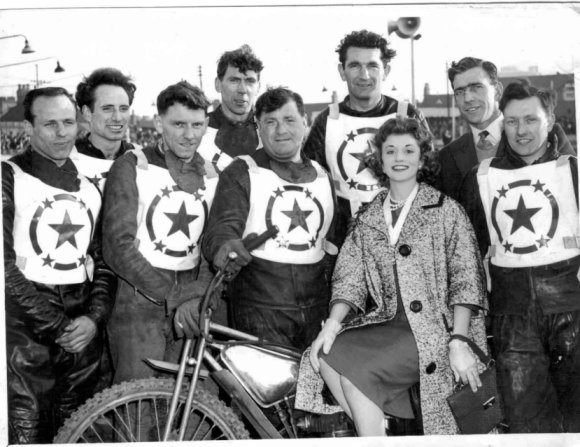
Reg & Mike
With Their
Stoke Team |
| |
 |
|
|
|
1960: Reg Fearman stands
shoulder to shoulder with his new promoting partner Mike Parker
|
|
|
| 1960 saw Parker run Liverpool and me
Stoke under Northern Speedways Ltd, a company which we formed. Stoke
was extremely successful but Liverpool, although having staged several
Cavalcade of Speed meetings in 1959, failed to draw a paying crowd for
Provincial League speedway. We dropped Liverpool in 1961 and opened
Newcastle and Wolverhampton Speedways – both tracks had closed in the
1950’s with the downturn at that time in the sport. Both stadiums
were owned by the same Greyhound Company, The Midland Greyhound Racing
Company Ltd. The return of speedway to those two venues was
extremely successful. At the same time, we opened Middlesbrough. |
| |
 |
| |
|
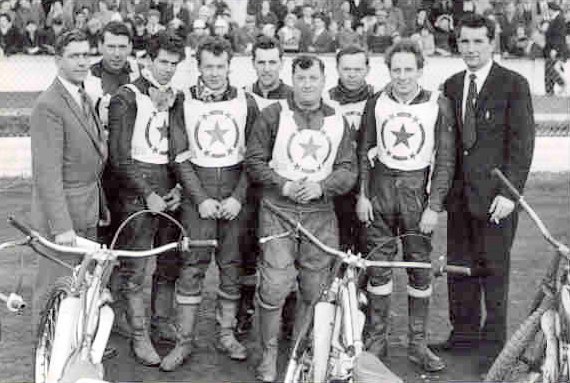
1961 Stoke team flanked by promoter's Parker and
Fearman
|
|
|
|
|
|
|
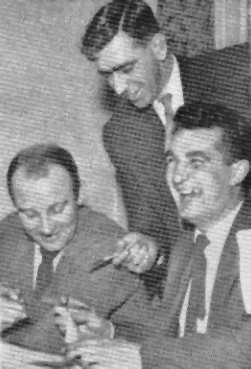
Bill Bridgett, Mike Parker & Reg
Fearman |
|
|
 |
| |
|
At
the end of the 1961 season, Charles Ochiltree closed Leicester in the
National League due to falling attendances and offered it to Parker
and me in the Provincial League for 1962. The CO said he had closed
the speedway with an attendance of 3,000 plus people on average and
thought the figures would not go lower in the Provincial League. We
took it on and the figures plummeted. 1200 people and less were the
norm and it haemorrhaged money. As we had so many tracks, I
suggested that we took Bill Bridgett in for a third share in
Wolverhampton. I knew him as a junior rider at Stoke, an enthusiast
and a business man having inherited the fish and game shop in
Newcastle-under-Lyme. |
|
|
|
At the end of the 1962 season, I went on
holiday abroad around October time and when I returned, Parker was
very cool on the telephone so I went up from my Stoke on Trent base to
Manchester to learn that he did not want “to do business with me”
anymore and that he had negotiated a new lease for Newcastle and
Wolverhampton in his own name and, thank you very much, I could have
Stoke and Middlesbrough. We parted acrimoniously. |
|
|
|
That winter of 1962/63 saw the start of
my litigation against Parker. He got involved with
Newport, South Wales with Charles Foot and the Knotts and I got
involved with Long Eaton (both venues to prepare for the 1963 season).
At the January 1963 Annual General Meeting of the promoters at the
Harbour Heights Hotel, Poole, (remember Parker was the Chairman of the
Provincial League 1960/61/62). I got up on the floor at
the beginning of that meeting and addressed the assembly to say that I
had a statement to make that Mike Parker was dishonest and a thief.
He had stolen the Wolverhampton and Newcastle speedway leases from our
companies into his own name and was not fit to be a Chairman of that
Association. Well, you can imagine, the balloon went
up and Charles Foot proposed that, for the sake of the meeting, Parker
should be removed from the Chair for that Conference. Long
Eaton and Newport were accepted as members of the Provincial League
which gave Parker and me three tracks each out of about 14.
I had read the Memorandum and Articles of Association of Limited
Companies and told my lawyers that a Director of such a company was
there to protect the company’s interests and not to divert its assets
to one’s own personal benefit, which Parker had done. In
February, Major W W Fearnley, the Secretary of the Speedway Control
Board, notified Parker, myself and the Provincial Promoters’
Association that it would not licence those six tracks until the
litigation was resolved. I was suing Parker for a
considerable amount of money and those words from the Speedway Control
Board brought the litigation to a swift conclusion with our barristers
at Lincolns Inn, City of London. The outcome was a
financial settlement to myself which took Parker about two-and-a-half
years to pay in instalments. After that, I would not have
p…ed on him if he had been lying in the gutter and on fire. |
|
|
|
The vendetta continued for many years
until his death. After he finished
with speedway and stock car racing, he ran a restaurant business
in Lancaster. He died in November 1987 comparatively
young aged 62 following a cancer-related illness. He
lived most of his life in the Blackpool area and Manchester.
|
|
|
|
In 1964, the Provincial League ran black
outside the jurisdiction of the Speedway Control Board and ACU. A
row ensued between the SCB and the Provincial League promoters when
the SCB decided that it would elevate Wolverhampton and one other
track, which they never named, to the National League for the 1964
season. The Provincial League promoters protested as they did not
wish to lose any one of their teams and the Wolverhampton promotion
had no wish to be elevated. Due to the conflict with the Speedway
Control Board. The Royal Automobile Club which is the governing
body of all motor sport in Great Britain, decided that an Inquiry
should be held into the running of speedway racing. That was when
Lord Shawcross was appointed to carry out a full investigation. His
report was completed in the winter of 1964/65, the outcome being the
amalgamation of the two leagues. After a joint meeting between
members of the National and Provincial Leagues, the British League and
the British Speedway Promoters’ Association were formed. Several
heads rolled in the make-up of the Speedway Control Board following
the Inquiry. |
| |
|
After the 1963 episode with Parker, I
decided that eventually I would have to have him removed as Chairman
of the Association but Charles Foot always said to me (he proved to be
right) that if we left Parker where he was, we would know where he was
but in the late 1960’s, I decided a coup d’etat should take place.
Charles Ochiltree was at this time in conflict with Parker over the
Stock Car World Final. (By this time, Parker had branched out with
Bridget into promoting stock car racing). So, the CO was the obvious
choice to take the Chair. He agreed and I did the lobbying which was
all quite secret and, at the British Speedway Promoters’ Association
Annual Conference at Chesford Grange Hotel, Warwickshire, the bomb
dropped. Parker’s face was ashen as Charles Ochiltree was sworn in
as Chairman of the British Speedway Promoters’ Association for 1970
which saw him carry those duties through to the end of 1972 when I was
appointed British Speedway Promoters’ Association Chairman in 1973.
The inaugural Second Division took place in 1968 and I was Chairman of
that Division through to the end of 1972. In all, I was Chairman of
Division Two for five sessions and Division One for seven sessions.
Parker had other partners in Len Silver at Hackney but there was soon
a parting of the ways with Len Silver taking control of Hackney. The
relationship between Parker, Foot and the Knotts at Newport lasted
only a short period of time before they fell out with Parker taking
control. |
|
|
|
At one time, Parker and Bridget signed
Rick France for Wolverhampton without the consent of the Rider Control
Committee and was threatened with expulsion from the League. Parker
– a maverick and at times a law unto himself. |
|
|
|
The only person who remained with Parker
throughout was Bill Bridget . In 2002, I heard that Bridget was not
very well and offered him the olive branch via phone call to his home
and I invited him to become a member of the Veteran Speedway Riders’
Association to enjoy the fellowship and news bulletins. He declined
saying that his life was spent within his own four walls, watching
football – his first love - on television at every opportunity and
that he had blown out to 20 stone and could just about hobble across
the room. Harold (Bill) Bridget died in Stoke on Trent in 2004 aged
76 from a cancer-related illness. |
|
|
|
|
|
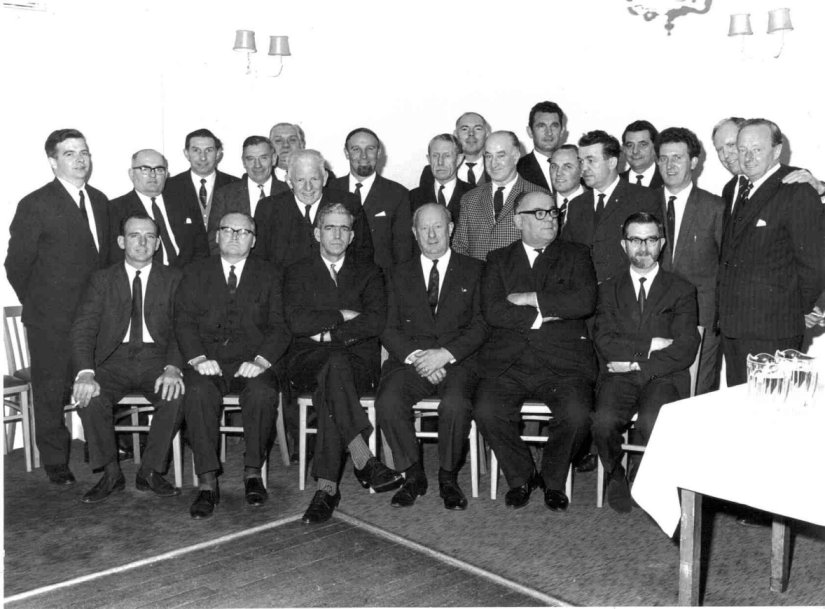
1967
Promoter's AGM At Manchester |
|
 |
|
Picture courtesy of Reg Fearman.
1967 Promoter's AGM at Manchester
|
|
|
|
Charles Foot proved to be correct because
for years after Parker was removed from the Chair, at
promoters meetings, Parker accompanied by Bridget would
waste as much time as possible on the smallest items on the
agenda, filibustering and then, at 2.00 pm, leave the
meeting to catch his train home to Manchester.
The rest of us remained until 6.00 pm doing the rest of the
business. |
|
|
|
In 1975, the Rider Control Committee
allocated Bengt Jansson to Reading from Wolverhampton. The RCC
consisted of the Management Committee of five members. Len Silver
and I were two of the members of the RCC. The Wolverhampton Speedway
Programme and Press Bulletin named Len Silver and myself as being
associated with the Mafia. Len Silver and I took legal action
against Mike Parker, Bill Bridget and Michael Beale, the Press
Officer, an Action which we won in the High Court and received
unreserved apologies and retraction in the Wolverhampton Speedway
Programme and Press Bulletins. |
|
|
|
I always remember Parker turning up for
the first meeting at Stoke Speedway on Good Friday 1960. That
winter, I had written down all the things I could remember about the
promotion at West Ham and Leicester in particular. One thing that
stood out in my mind was that the promoters and managers always wore
suits so I was there at Stoke in my Sunday best and to my
embarrassment, Parker turned up in jeans and a blue shirt with sleeves
rolled up. He really had no idea at that time of presentation. |
|
|
|
Parker also became a tremendous thorn in
the world of stock cars and in particular to Charles Ochiltree a
Gentleman, who was such a docile man. The C.O. once swore a bad word
to me in describing Parker and that was really saying something. |
|
|
|
Reg Fearman |
|
November 2008 |
|
Reg Fearman Page 3 |
|
|
|
|
| The contents of the site are © and should not be
reproduced elsewhere for financial gain. The contributors to this site
gave the pictures and information on that understanding. If anyone has
any issue or objections to any items on the site please
e-mail
and I will amend or remove the item. Where possible credit
has been given to the owner of each item. |
|
|
|
|